With the continuous expansion of greening areas in municipal administrations and enterprises, the steady increase in green irrigation areas, and the gradual improvement of requirements for precision irrigation, achieving automation, intelligence, and visualization of irrigation management has become a key focus of landscape greening work.
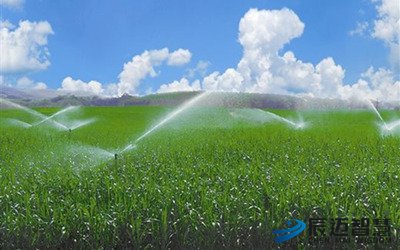
Currently, there are urgent issues to be addressed in green irrigation work, including reducing labor input for garden green space irrigation, lowering maintenance and management costs, improving irrigation precision, optimizing irrigation systems, enhancing water resource utilization efficiency, and eliminating the randomness of manual operations.

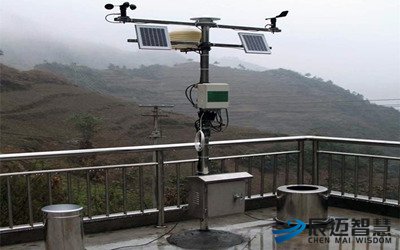
The comprehensive solution for the smart garden irrigation system is an intelligent management system specially designed for the information-based management of garden irrigation. The system collects relevant information through sensors (such as devices for soil moisture content, flowmeters, valves, and comprehensive meteorology). It utilizes computer local area networks (LAN) and wireless communication networks including GPRS, 2G/3G/4G, ZigBee, LoRa, and NB-IoT to transmit information between monitoring points, monitoring centers, and the information center of the garden irrigation area. This enables the collection, transmission, and processing of garden irrigation information, forming a comprehensive database.
The system realizes unified management and remote control of irrigation equipment. Combined with an automatic weather station, irrigation data and environmental information can be viewed on mobile phones and computers. It features water conservation, high efficiency, and labor savings. With precise regulation, it improves water resource utilization efficiency, achieving a water-saving rate of 16%-30%. Additionally, it has characteristics such as intelligence, visualization, cost-effectiveness, mature technology, convenient construction, and wide applicability. The IoT wireless transmission technology allows flexible deployment, enabling quick realization of functions like timed irrigation, remote irrigation via websites or APPs, and automatic irrigation based on meteorological conditions.
The intelligent information-based monitoring system for garden irrigation can be divided into three parts: the front-end collection station, data transmission, and the remote monitoring center.
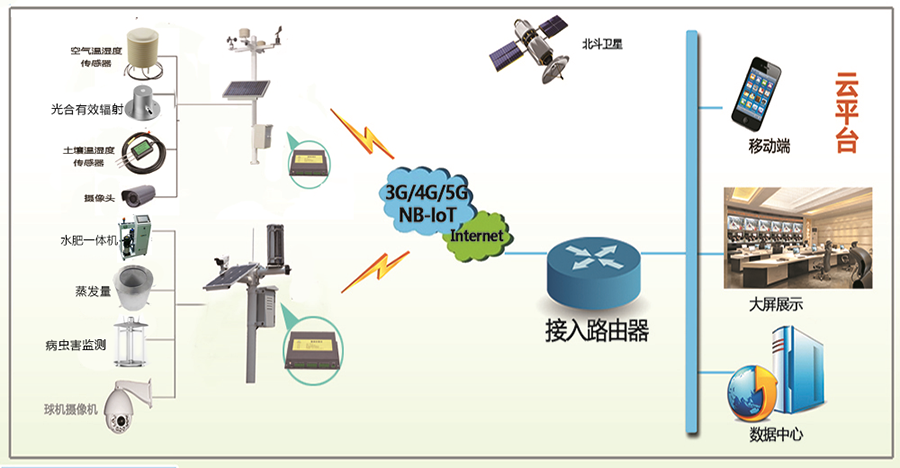
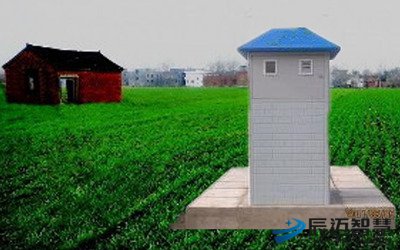
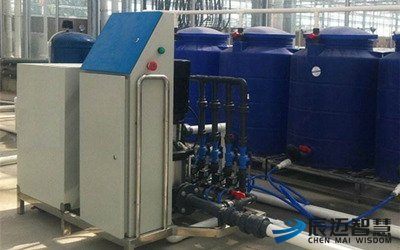
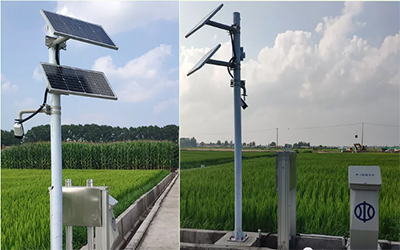
The front-end acquisition station consists of pump control, integrated water-fertilizer machine control, and irrigation control. Based on the characteristics of equipment and the site, the system collects the pressure at the water supply end. The frequency converter adjusts its speed through water supply pressure feedback to achieve constant-pressure water supply. The integrated water-fertilizer machine detects the EC/PH values of the fertilizer and adjusts the fertilizer ratio. The front-end equipment adopts RS485 communication, and the bus collects real-time operating status data of the frequency converter and the integrated water-fertilizer machine. It connects to the cloud server via DTU, enabling remote control of the front-end equipment and real-time viewing of the operating status on PC/APP terminals, thus realizing the function of remotely managing the irrigation area.
The data transmission part uses a telemetry terminal unit (TTU). It wirelessly transmits the data collected by the front-end acquisition station, while receiving command parameters from the back-end. It makes timely adjustments to the corresponding functions of the relevant irrigation areas to improve water resource utilization efficiency.
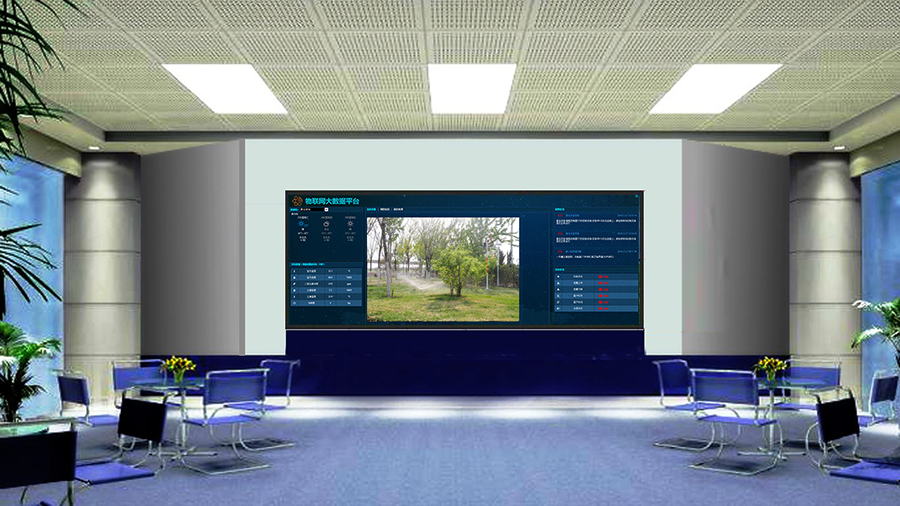
Through the water conservancy telemetry terminal unit, multiple remote monitoring centers can send data simultaneously. The Chenmai Cloud Platform system is responsible for displaying and analyzing the collected data, facilitating the monitoring center to timely monitor irrigation area data and remotely control the opening and closing of solenoid valves. By monitoring information such as soil moisture conductivity in the irrigation area and setting thresholds and control strategies, automatic irrigation is realized. This ensures timely adjustment of abnormalities, prompt repair of faults, and real-time processing of data, effectively managing and controlling all data within the irrigation system.
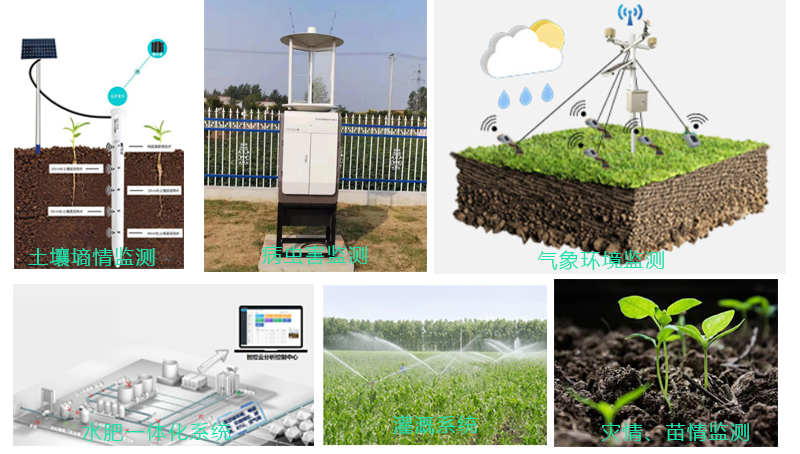
1.Monitoring Station DistributionThe system is equipped with a GIS map, which can display the geographic distribution of all current monitoring stations. This helps managers locate the monitoring stations easily, and enables quick positioning of the station in case of an alarm for exceeding standards.
2.Real-Time Online MonitoringThe ecological environment online monitoring system can, through sensor devices, track changes in parameters such as real-time online temperature and humidity, illuminance, soil environment, air quality, and soil moisture.
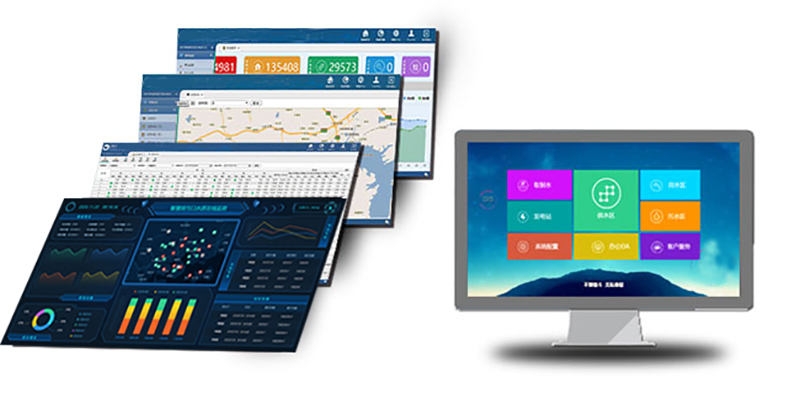
Through the system platform, users can set the safe value range for the monitored parameters. Once the front-end sensor detects that parameters such as pest situation monitoring, soil moisture, garden fertilizer demand, or irrigation water volume at a certain location exceed the safe value range, the system will send an alarm message to notify the user. This allows for quick handling and minimizes the impact.
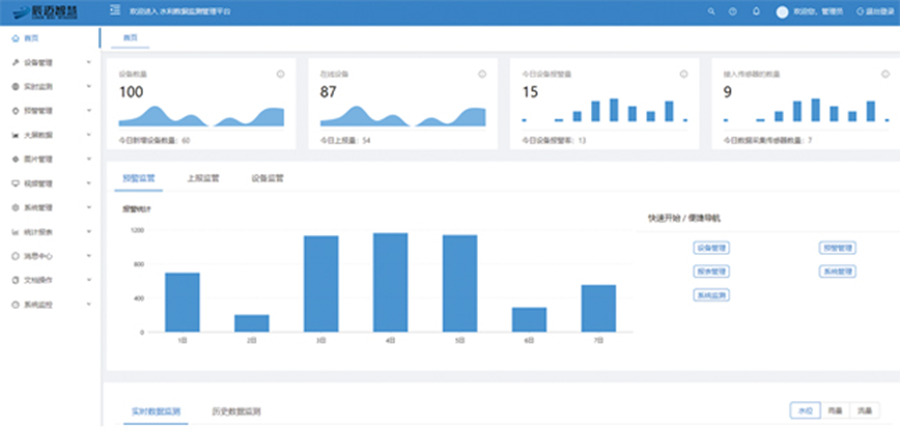 4. Data Analysis and Query
The garden online monitoring system provides 24/7 real-time monitoring and automatic data collection, requiring no manual supervision. The system automatically generates data charts, allowing users to intuitively understand changes in the farmland ecological environment. Collected data can be stored, enabling users to view historical data at any time. The data can also be used for analysis, printing, and archiving.
5. Video Monitoring
The system can conduct 24/7 all-weather remote real-time monitoring of the monitored area. It allows users to understand the actual situation of environmental changes near the monitoring station, as well as the status of the irrigation system and the integration of water and fertilizer, through video observation.
★ Different irrigation methods can be selected according to the specific conditions of the system construction area, maximizing the utilization efficiency of irrigation water;
★ It has multiple modes including automatic irrigation, timed irrigation, cyclic irrigation, and manual irrigation, allowing users to flexibly choose the irrigation mode as needed;
★ It adopts 2G/3G/4G, ZigBee, LoRa, and NB-IoT wireless communication technologies, truly realizing remote monitoring of garden irrigation and reducing labor intensity;
★ It supports multiple control methods such as central control room control, mobile APP control, mini-program control, and on-site manual control;
★ An expert decision-making system can be integrated into the garden irrigation decision-making software to conduct quantitative evaluation of water demand information for different crops in different regions at different growth stages;
★ Devices related to 2G/3G/4G, ZigBee, LoRa, and NB-IoT flowmeters are added to garden irrigation equipment to achieve precise control of irrigation water consumption.