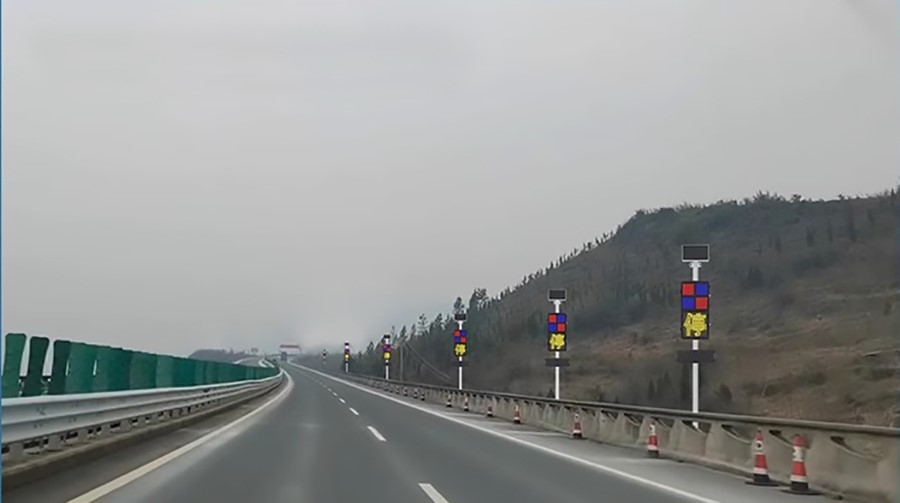
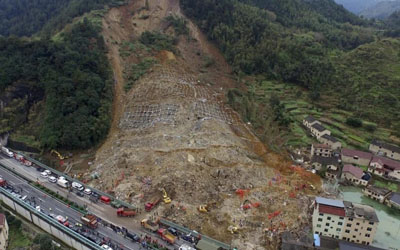
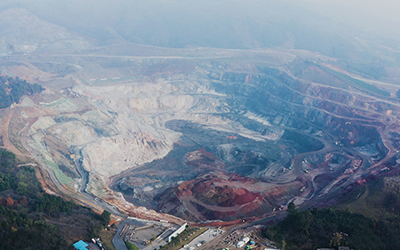
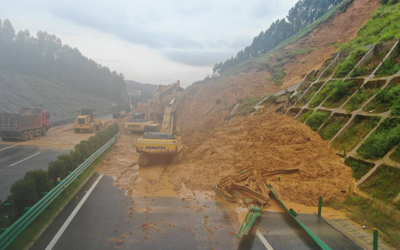
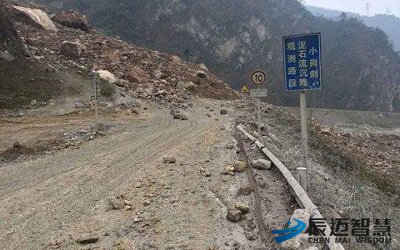
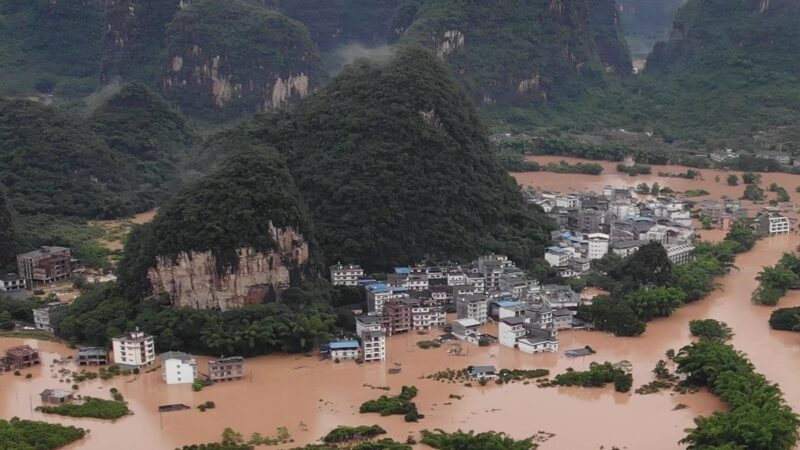
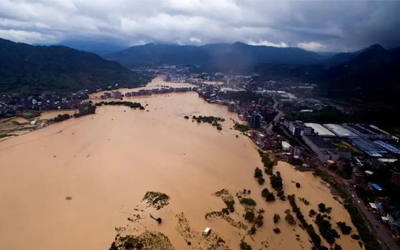
Landslides and collapses of high slopes are common natural geological disasters. If they occur without advance warning, they will cause severe impacts on people's lives and property as well as social harm. Advance early warning for potential disasters of high slopes will help decision-makers take response measures and reduce losses caused by disasters.
Existing high slope monitoring technologies include manual inspection and on-site measurement with surveying instruments. Due to factors such as poor real-time performance, these monitoring methods cannot timely and effectively detect and track the displacement of high slopes and their development towards landslides.
To ensure the stability of high slopes and prevent landslide accidents, we have designed a set of slope stability, safety monitoring and early warning system. By real-time monitoring the displacement parameters of slopes, abnormal changes of slopes can be detected in a timely manner, providing valuable time for emergency rescue and disaster relief. In addition, the system can also provide data support for geological disaster early warning, effectively reducing disaster risks.

The high slope stability, safety monitoring and early warning system consists of a data acquisition system, a transmission system, a data processing and analysis system, an early warning release system, and auxiliary facilities.
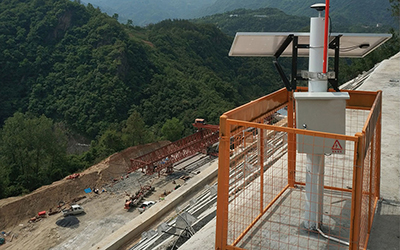
The data acquisition system includes sensors for displacement, cracks, inclination angle, stress, water level, etc.
The transmission system is responsible for transmitting the collected data to the data processing center in real time.
The data processing and analysis system processes and analyzes the collected data to evaluate the slope stability.
The early warning release system issues early warning information in a timely manner based on the analysis results.
The auxiliary facilities include power supply systems, communication systems, and so on.
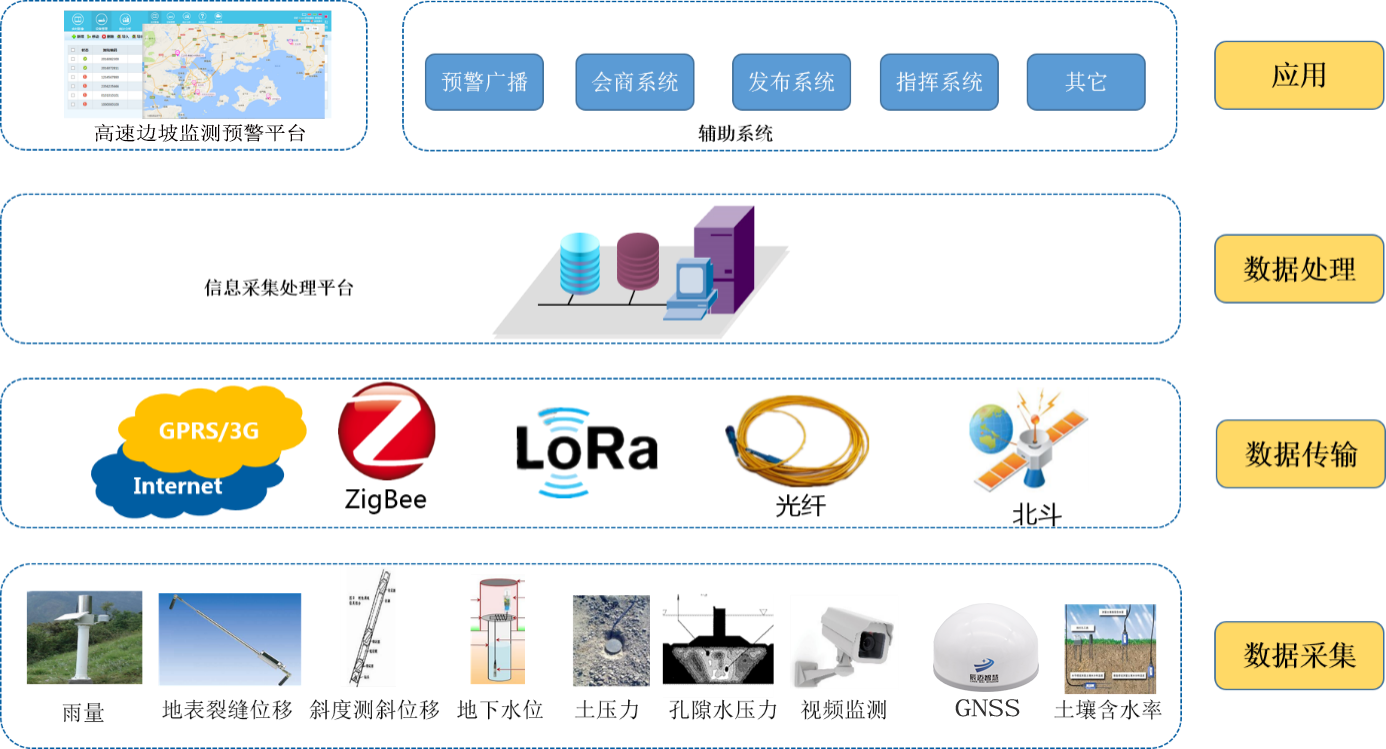
The sensor arrangement module is responsible for installing various types of sensors at key positions of the slope, such as displacement sensors, stress sensors, and crack width sensors, to monitor the physical state and environmental changes of the slope. These sensors can capture minor changes of the slope in real time and transmit the data to the central processing system.
The data transmission module ensures that the data collected by sensors is transmitted to the data center quickly and accurately. This usually involves wireless communication technologies or wired networks to ensure the stability and real-time performance of data transmission.
The data analysis and processing module is the core of the system. It receives data from sensors and conducts analysis and processing using advanced algorithms. By comparing real-time data with historical data, the system can identify abnormal changes in the slope state and evaluate its stability.
The early warning threshold setting module sets reasonable early warning thresholds based on the slope's geological conditions, historical data, and engineering experience. These thresholds are important criteria for judging whether the slope is in a dangerous state. Once the monitored data exceeds these thresholds, the system will trigger the early warning mechanism. The early warning information release module is responsible for timely transmitting early warning information to relevant managers and emergency response teams. This can be achieved through multiple methods, including short messages, emails, and mobile app push notifications, to ensure that the information is delivered quickly for the adoption of necessary response measures.

◆ Real-Time Monitoring: It conducts remote, automatic, and online monitoring of factors such as slope deformation and stress, slope inclination, and environmental changes around the clock (24/7). It timely obtains accurate monitoring data without being affected by severe weather or other factors, and avoids human errors caused by manual reading and recording.

It adopts multi-level threshold early warning. When data changes exceed the threshold range, the system will automatically trigger an early warning and promptly notify relevant personnel through various communication methods such as text messages, emails, voice calls, and audio-visual signals.
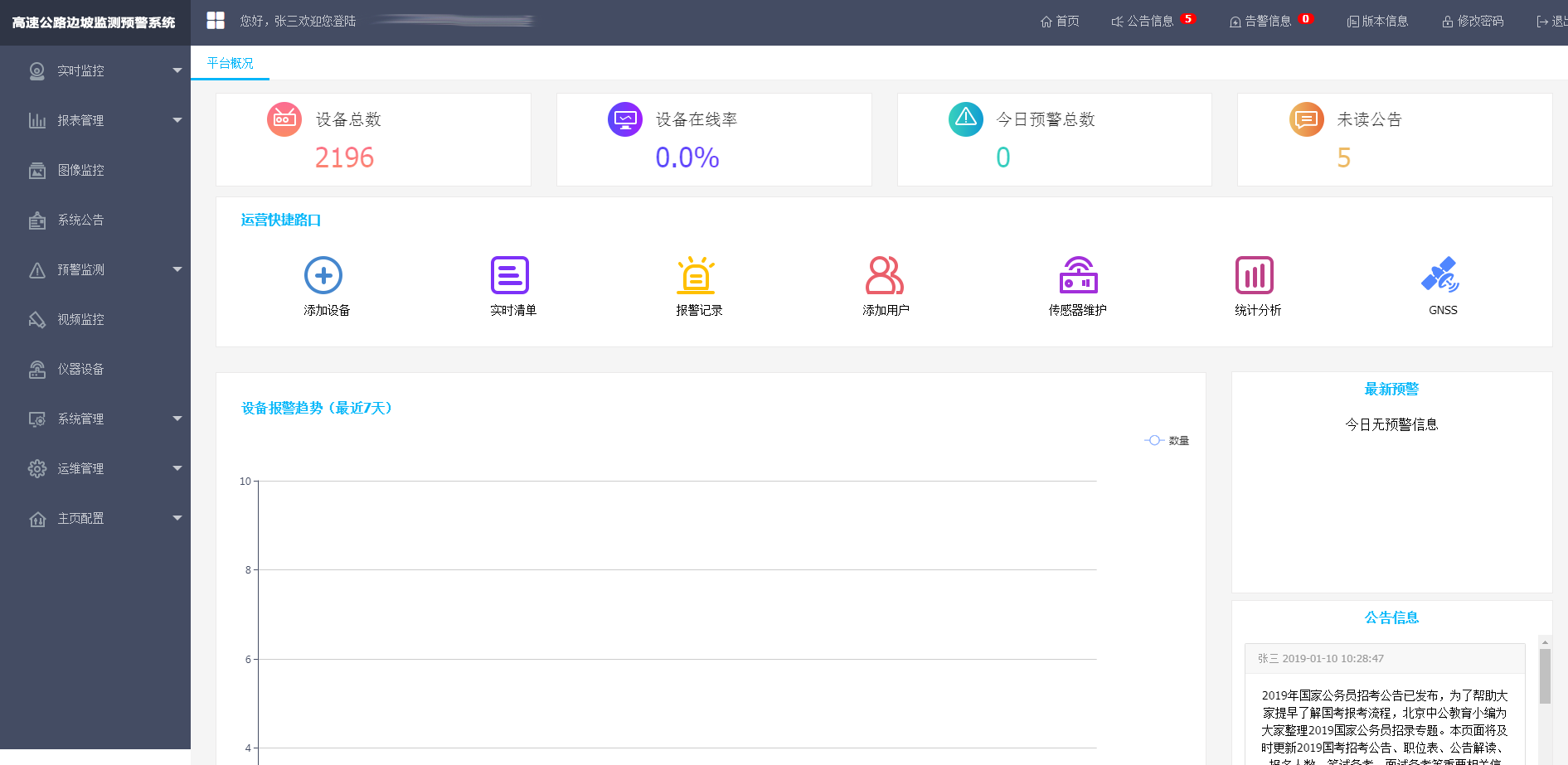
It supports the management of slope emergency plans. When a potential deformation disaster or accident occurs on the slope, it can notify the owner unit, design unit, construction unit, supervision unit and other relevant units in advance, thereby improving the efficiency of accident handling.
A slope deformation model is established through cloud computing and big data systems. Trend analysis, process analysis, comparative analysis, intelligent screening and other methods are applied to various monitoring contents of the system. This enables intelligent project analysis, trend research, induction and deduction, and provides a basis for the construction of similar slopes in the future.
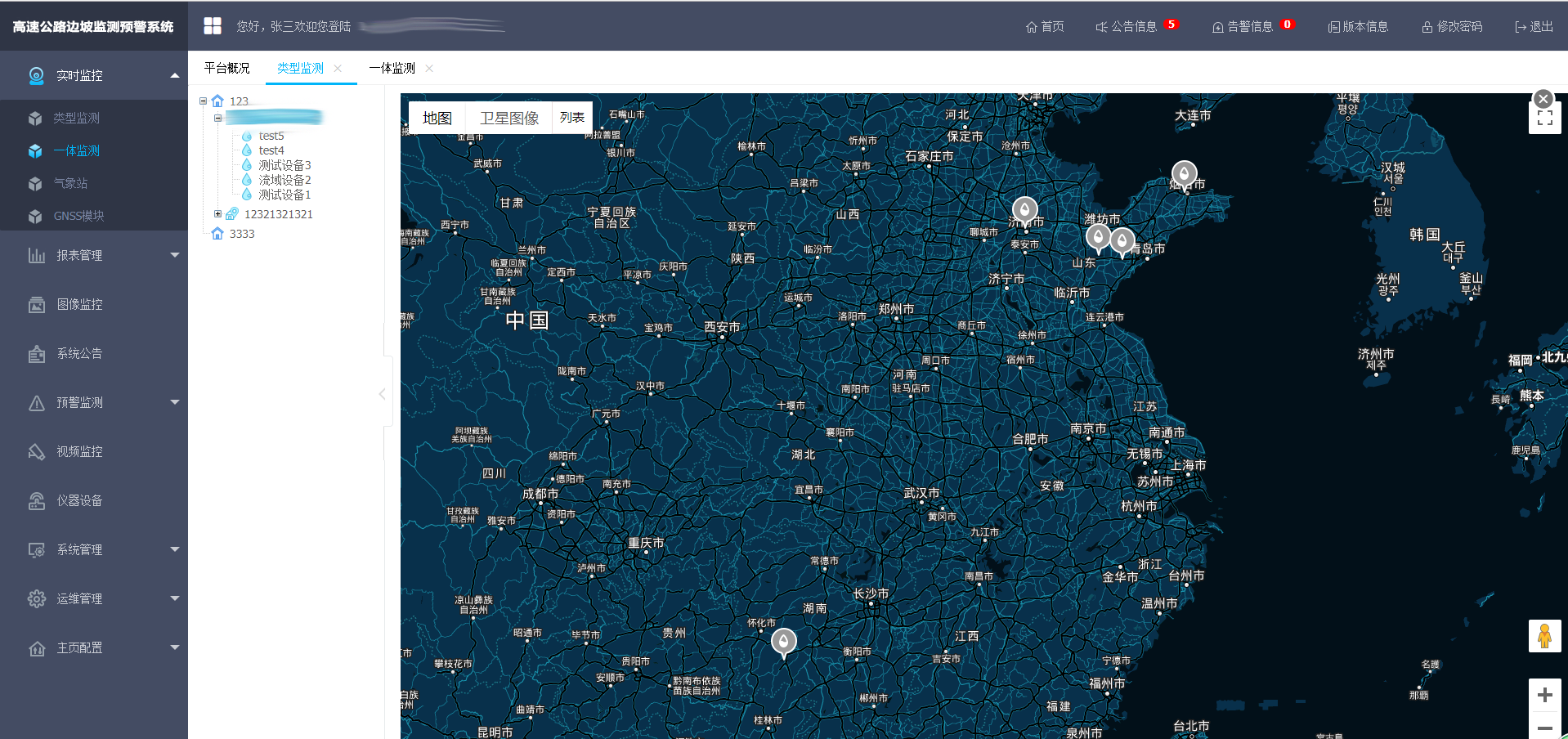
Through the Internet of Things (IoT) technology and remote transmission system, remote monitoring of high slope safety can be realized, which reduces the workload and risks of manual inspection.
Corresponding handling methods are directly extracted from the expert database, and measures such as personnel intervention and road blockage are taken in a timely manner to eliminate potential safety hazards in the bud.
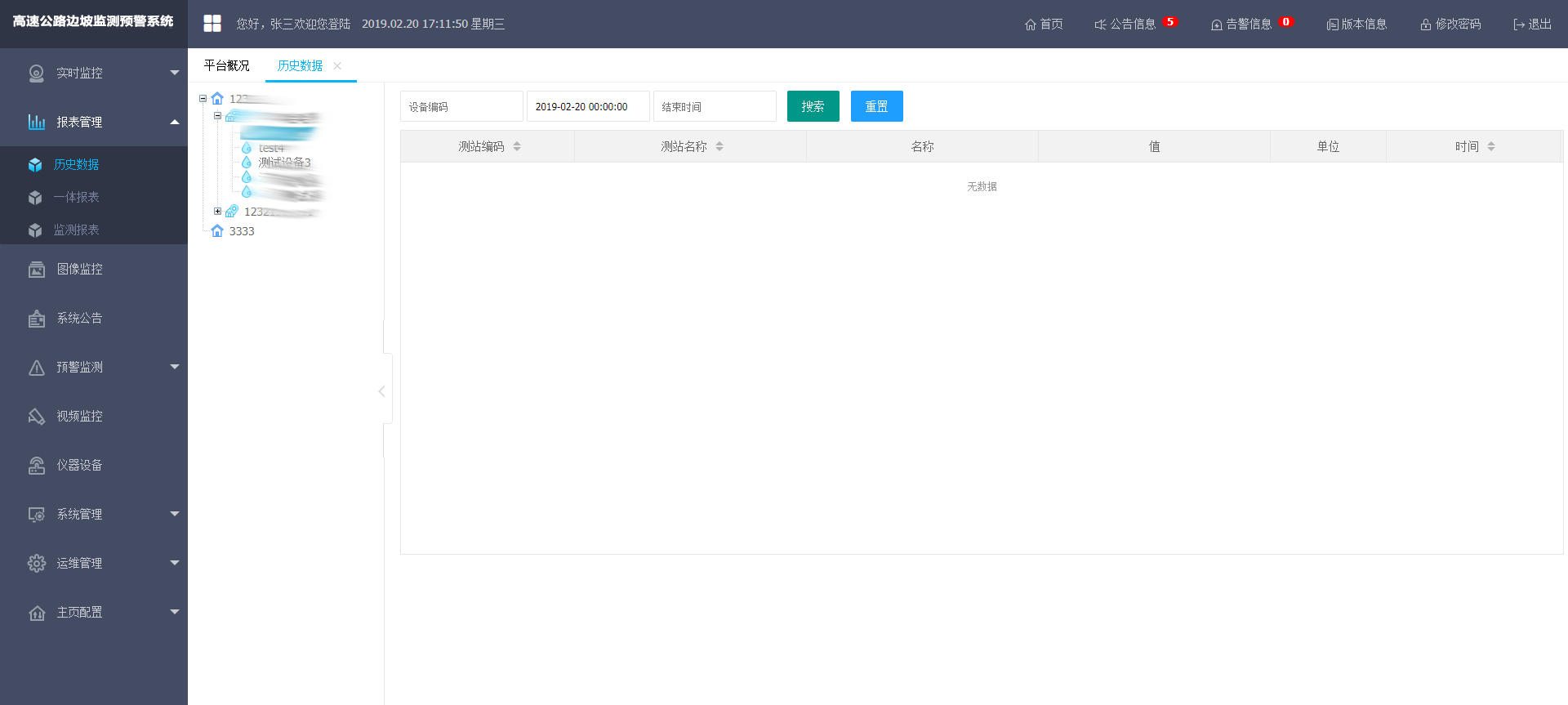
The purpose of the high slope stability, safety monitoring and early warning system is to monitor the deformation of high slopes and identify potential risk factors, so as to take corresponding safety measures and ensure the safety of people's lives and property.
High slopes are generally located beside traffic arteries, or in densely populated areas such as residential areas and schools. Therefore, the safety of high slopes is related to the lives and property of many people. Once a high slope experiences landslides or collapses, the consequences will be extremely serious.
For this reason, to ensure people's safety, the high slope monitoring scheme is of great significance.