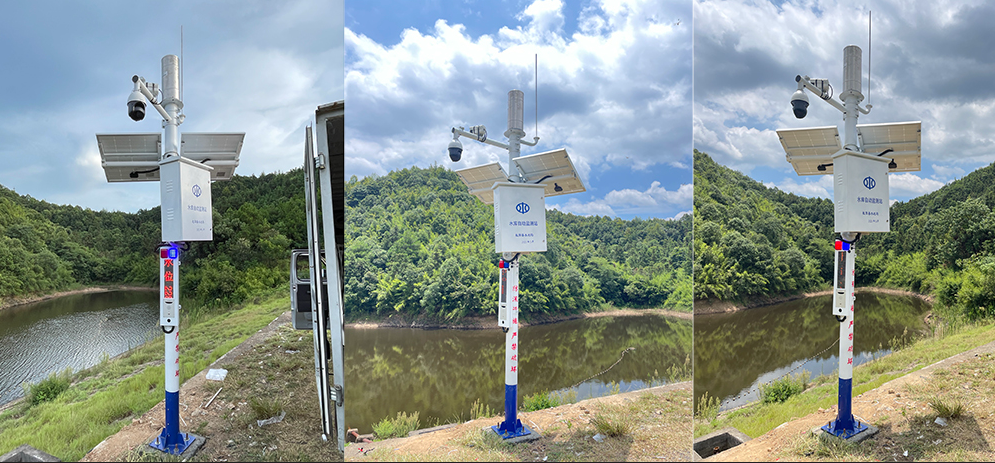
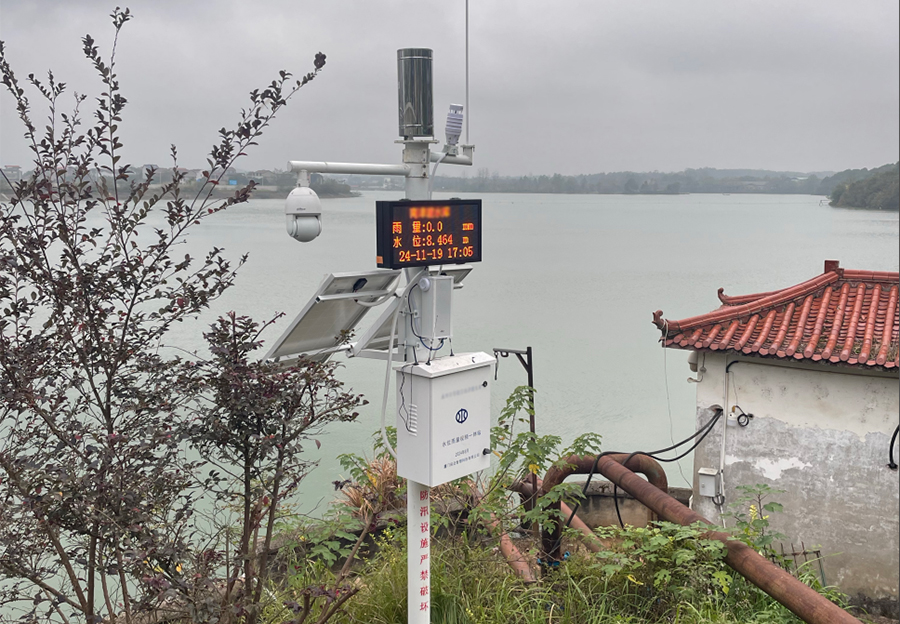
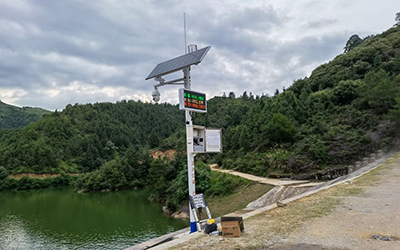
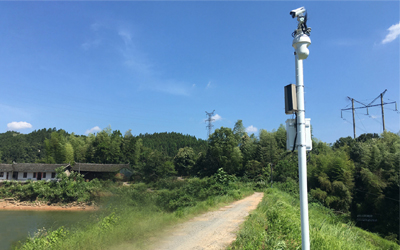
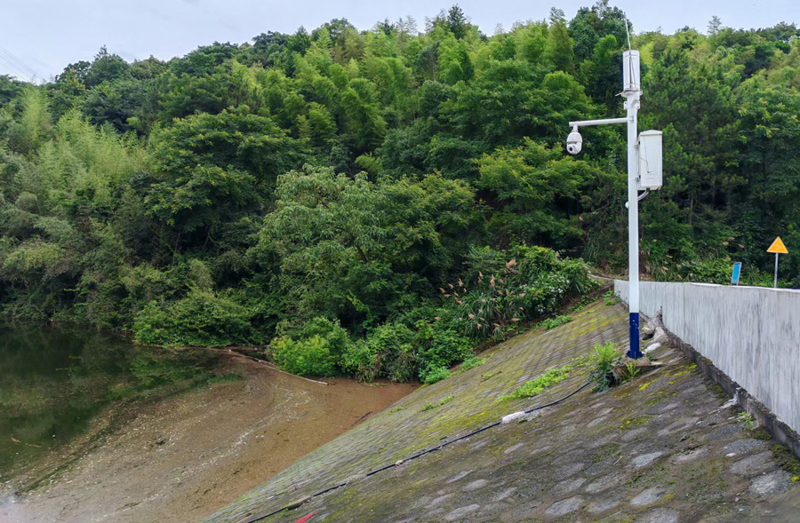
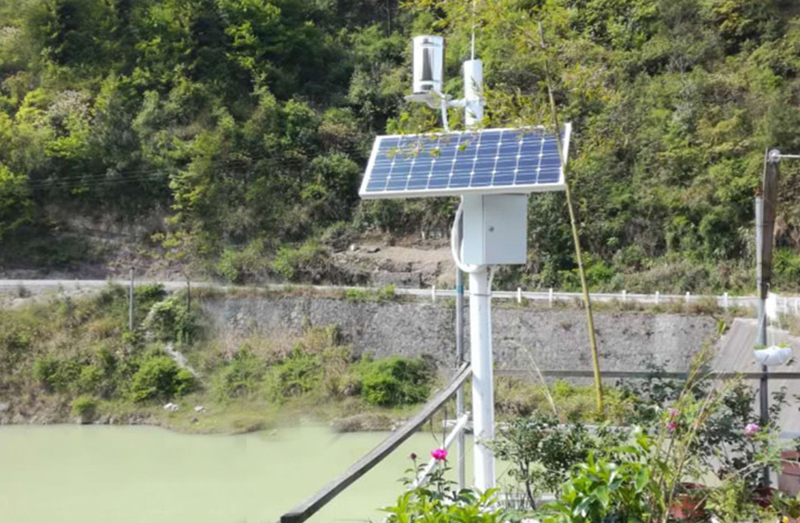
With the growing demand for water-related activities, drowning accidents have occurred frequently, posing a severe threat to people's lives. Today, however, an innovative technology is leading a new chapter in water safety with its powerful functions and immense potential. As a cutting-edge solution integrating intelligent perception, data analysis, and real-time response, the Intelligent Drowning Prevention Warning System is helping to reduce drowning incidents and safeguard every water area.
Not only does this system protect human lives, but it also provides water management authorities with more effective supervision tools, enhancing the efficiency of drowning prevention monitoring. Adopting advanced artificial intelligence algorithms and combining multiple technical means such as high-definition cameras and water monitoring devices, the system achieves real-time monitoring and analysis of water areas. It can automatically identify the behavioral characteristics of drowning individuals and send out early warning signals immediately, notifying nearby personnel to take emergency rescue measures.
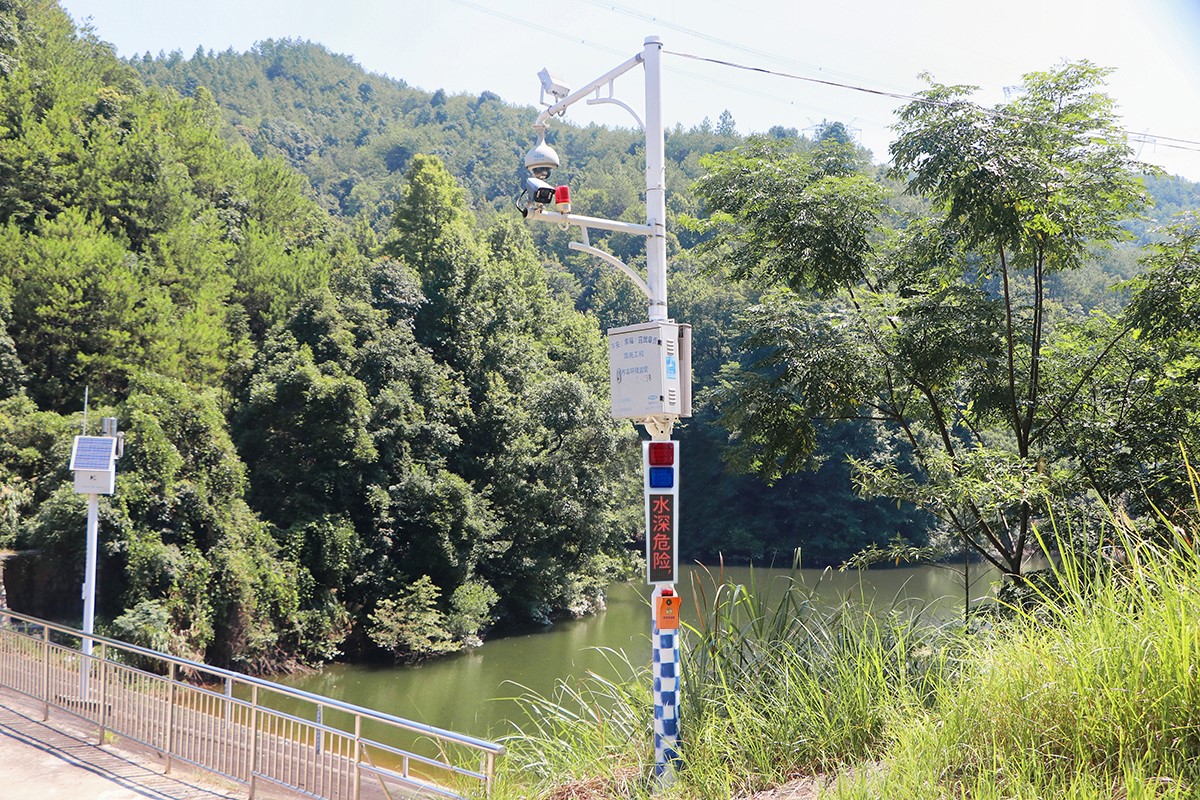
Focusing on drowning prevention monitoring and early warning, the drowning prevention warning system (integrated with a monitoring and safety management platform) incorporates a multi-level management mechanism. It enables the unified and centralized access of front-end devices such as cameras deployed in high-risk water areas—including reservoirs, rivers, lakes, river and lake shorelines, deep pools, and ponds. These devices collect real-time audio and video data, which is transmitted to the platform via communication technologies such as 4G and 5G.
Leveraging the platform's capabilities in video transcoding, processing, distribution, intelligent analysis, and intelligent early warning, the system achieves 24/7 uninterrupted high-definition video monitoring of high-risk water areas. This effectively enhances the management and control of such areas and strengthens drowning prevention supervision during the summer season.
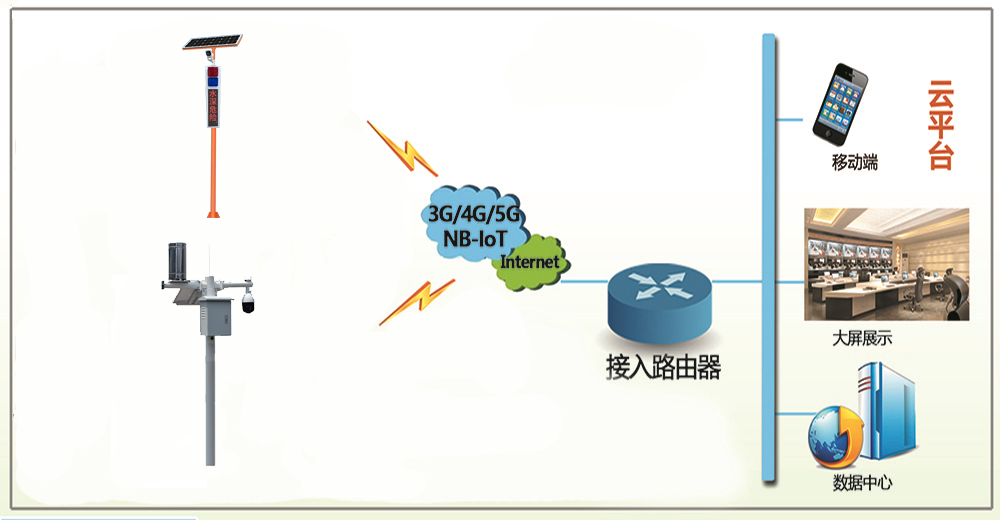
◆ Sensor Network: Sensors deployed in water areas can real-time monitor parameters such as water level, water flow, and water temperature, providing basic data for the system.
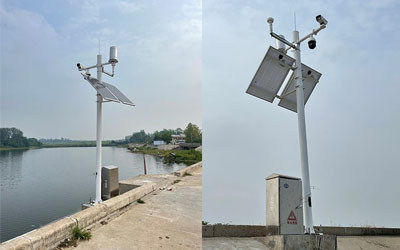
◆ Monitoring Equipment: Intelligent surveillance cameras can capture human movement dynamics in water areas and detect drowning signs through analytical algorithms. The cameras enable real-time monitoring of water conditions and alert staff and tourists to potential dangers via alarms.
◆ Data Analysis Platform: The intelligent algorithms integrated in the system can analyze sensor data and surveillance images, identify abnormal situations, and accurately assess drowning risks.
◆ Real-Time Communication Module: Once the system detects a drowning risk, it can send real-time alerts to devices such as mobile phones and computers, notifying relevant personnel to take emergency rescue measures.

◆ High Intelligence: By analyzing a large volume of drowning accident data, the system can automatically identify the behavioral characteristics of drowning individuals, such as sudden falls and loss of balance, and dynamically adjust early warning thresholds to ensure the accuracy of alerts.
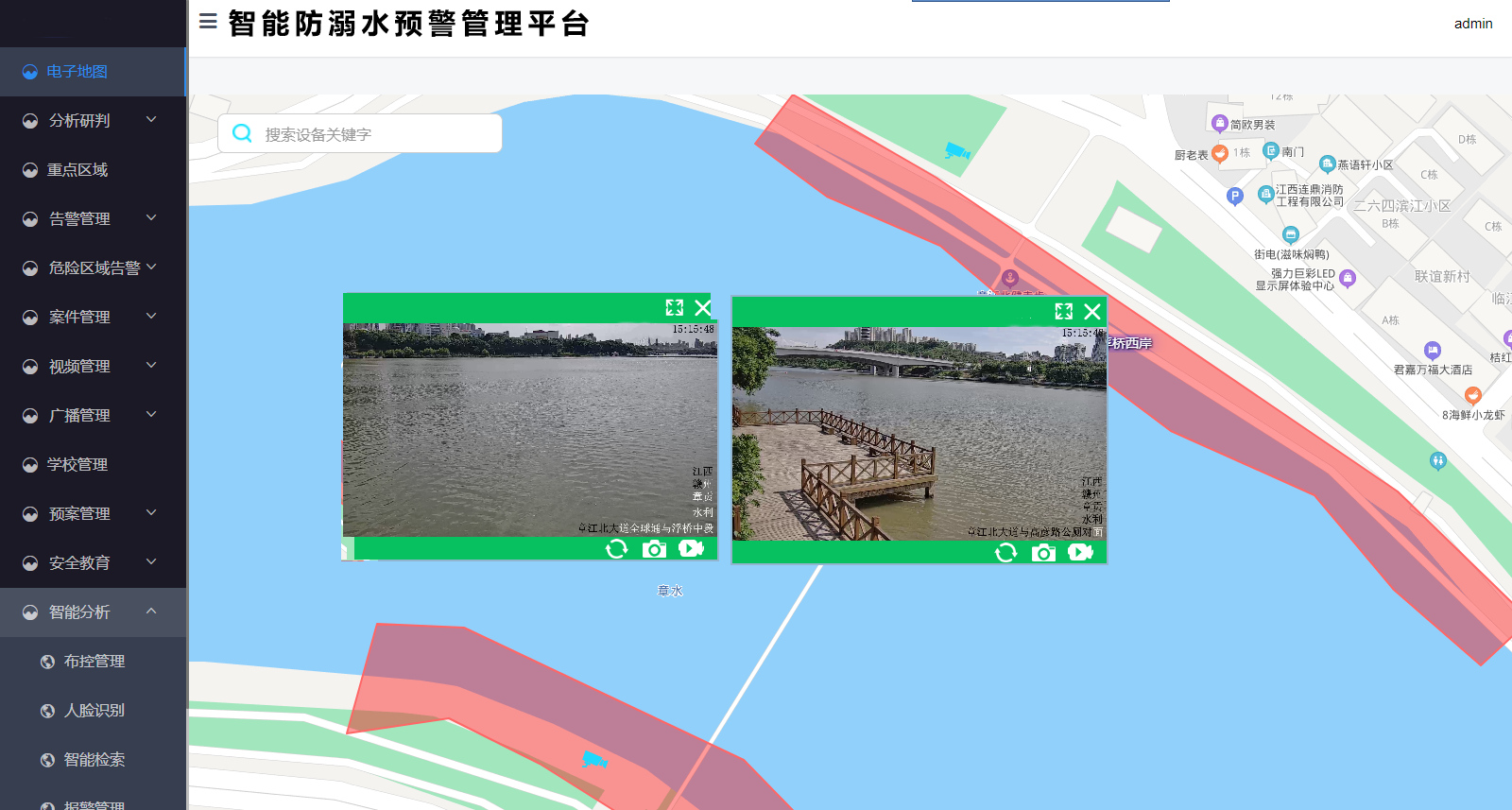
◆ Real-Time Monitoring: The system adopts high-definition cameras to conduct 24/7 all-round monitoring of water areas, ensuring full coverage without blind spots. In the event of a drowning incident, the system can quickly locate the scene and provide accurate location information for rescue operations.
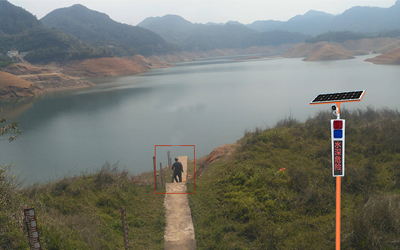
◆ Diverse Early Warning Methods: The system supports multiple early warning methods, such as audio alerts, visual signals, short messages (SMS), and mobile APP notifications. Users can select appropriate warning methods based on actual needs to ensure receiving early warning information in the first place.
◆ Linked Rescue: The system can be linked with surrounding rescue equipment, ambulances, and other emergency resources. Once a drowning incident occurs, the system will automatically activate the rescue equipment, shortening the rescue time.
◆ Data Statistics and Analysis: The system can perform statistical analysis on drowning incidents, providing decision-making basis for governments, enterprises, and public institutions, and helping improve the level of water safety management.

◆ Deploy Surveillance Equipment: Install high-definition cameras in high-risk water areas (such as rivers, lakes, swimming pools, etc.) to ensure full coverage of the water areas.◆ Install Intelligent Analysis System: Set up an intelligent analysis system in the monitoring center to conduct real-time analysis of images captured by the cameras and identify drowning risks.◆ Set Early Warning Thresholds: Based on the characteristics of the water areas and historical drowning accident data, set appropriate early warning thresholds to ensure the accuracy and timeliness of alerts.◆ Establish a Rescue Network: Link with local rescue equipment, ambulances, etc., to build a rapid-response rescue network.◆ Personnel Training and Drills: Provide training for managers and rescuers to familiarize them with the system's operation procedures and rescue processes, and conduct regular drills to improve the ability to respond to drowning incidents.
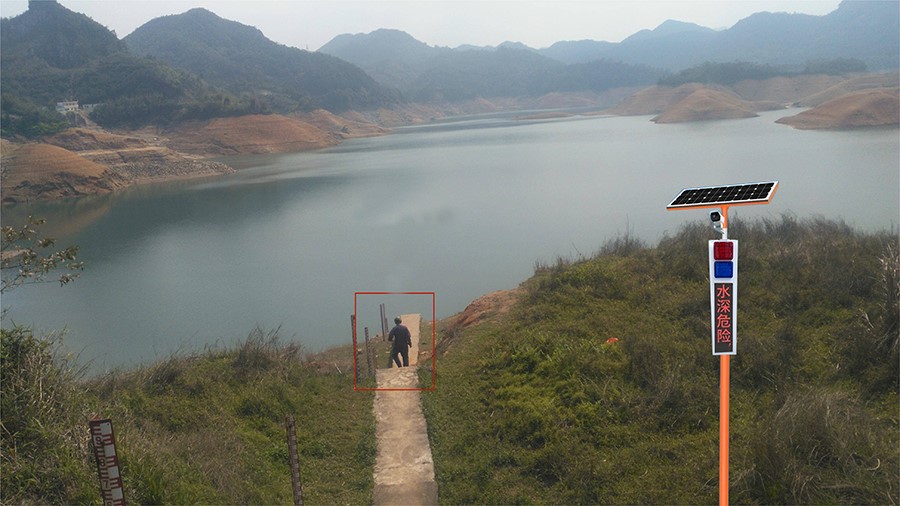
By adopting advanced artificial intelligence algorithms and multiple technical means, the drowning prevention warning system solution achieves real-time monitoring and analysis of water areas, improving the efficiency of drowning accident prevention and rescue. The implementation of this solution involves steps such as deploying surveillance equipment, installing an intelligent analysis system, setting early warning thresholds, establishing a rescue network, and conducting personnel training and drills.
Through integrating advanced technical components including sensor networks, surveillance equipment, data analysis platforms, and real-time communication modules, the solution provides comprehensive safety guarantees for water-related activities and effectively prevents and reduces the occurrence of drowning accidents.