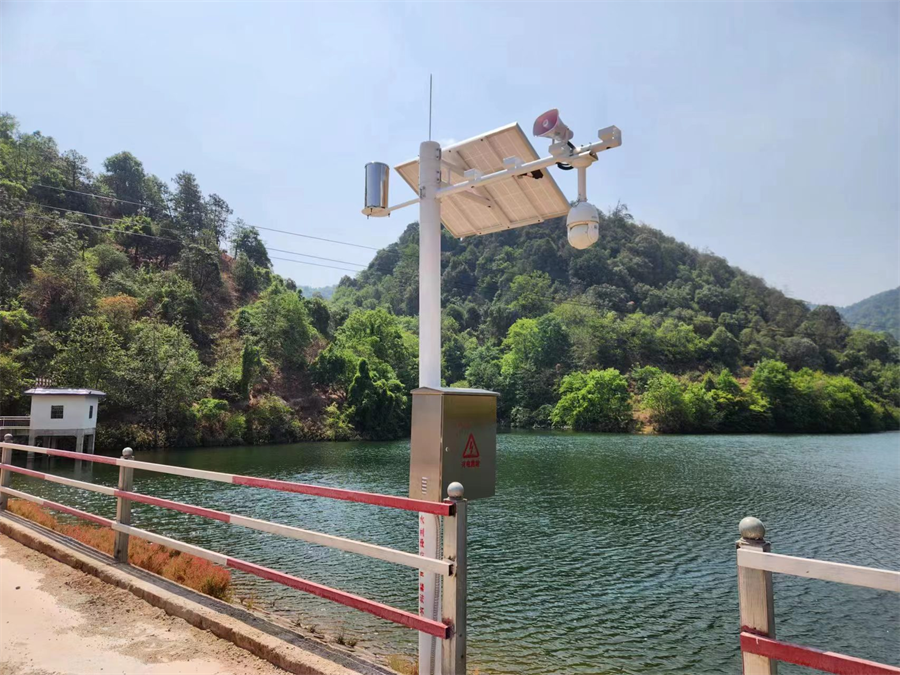
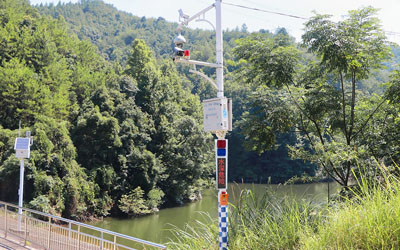
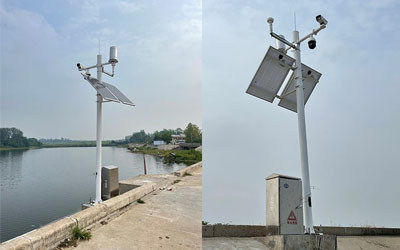
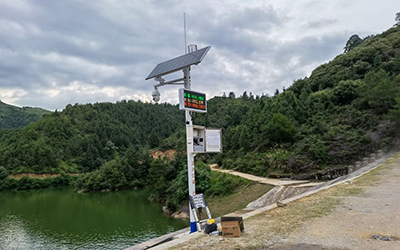
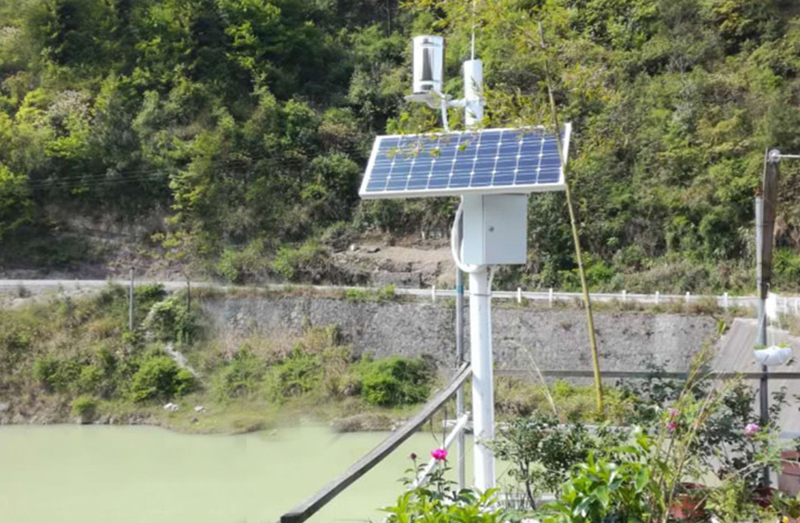
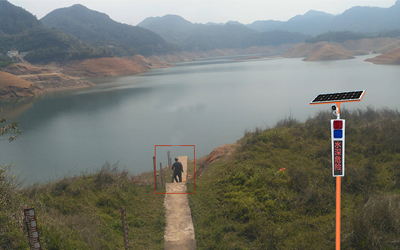
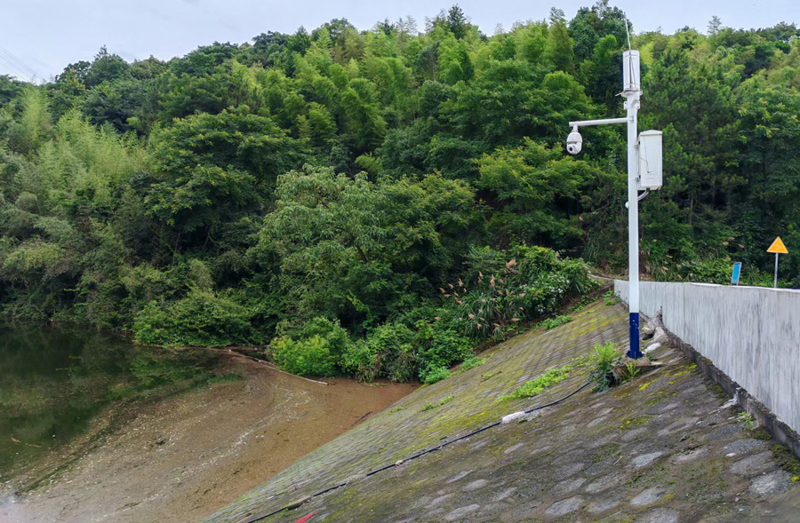
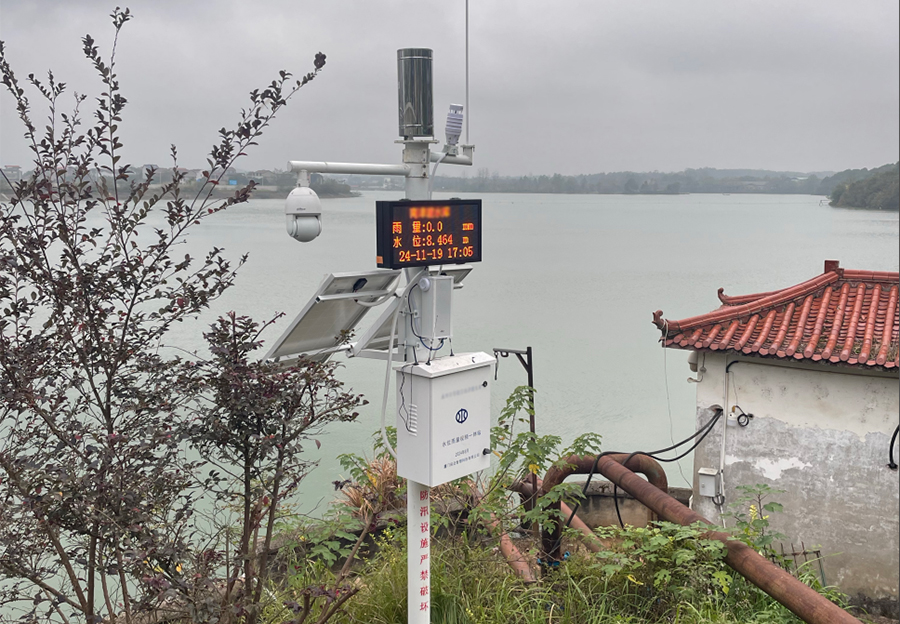
The Integrated Information Management System of Reservoirs mainly conducts automatic real-time collection of information such as real-time meteorology, hydrological conditions, engineering status, drought conditions, flood disasters, as well as social economy and natural environment in the basin above the reservoir dam site, the project itself, the downstream benefit areas and related regions. It constructs a one-stop public platform for reservoir information.
Through multi-functional and improved system software and professional management systems, the system manages and analyzes reservoir operations, and provides decision support under visual conditions to give full play to the multi-functional role of reservoirs and ensure the rational utilization of water resources.
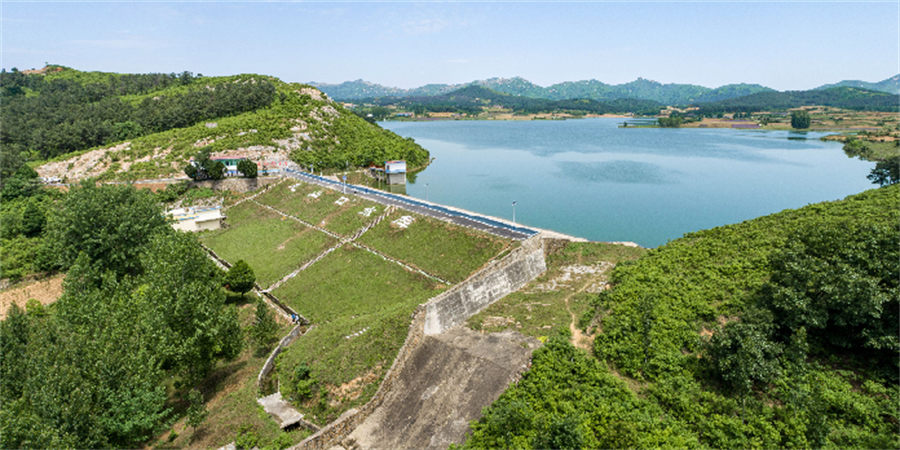
The main purpose of the system is to provide certain decision support functions based on monitoring information feedback, building on the rapid collection, transmission, analysis and processing of monitoring data. It integrates computers and hardware equipment for monitoring data transmission, management and analysis, offering information management services to reservoir administrators.
The informatization construction of reservoirs is a key component of water conservancy informatization development. It plays a crucial role in flood control and disaster reduction, optimal allocation of water resources, and water environment protection.

The system enables 24/7 remote automatic monitoring, capable of real-time recording, transmitting, and storing data collected by sensors into the relevant database. Adopting a hierarchical and distributed structure with a decentralized control mode, the system manages each on-site monitoring unit to automatically perform patrol measurements at scheduled times, store data, and submit data to the monitoring center.
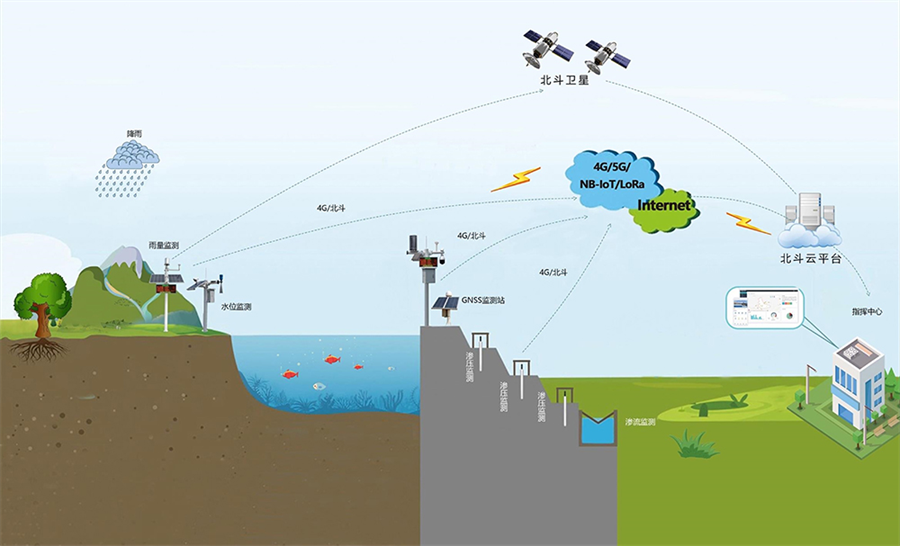
The system mainly consists of the following subsystems: system management, database management, video and image monitoring, sluice gate monitoring, hydrological data collection and transmission, flood forecasting, dam safety monitoring, comprehensive information query, intelligent report analysis, and information release service.

The information release module is mainly used for dynamically publishing the basic information and relevant dynamic information of the reservoir. Clients can directly obtain the latest status of the reservoir through a browser.
It collects hydrological and rainfall information and transmits it to the monitoring system in real time, allowing for convenient browsing of such information within the system.
As a display platform for the automatic hydrological data collection and transmission system, it directly invokes flood forecasting results from the hydrological data collection and transmission system. Users can query all flood forecasting information via a web interface, enabling an intuitive and comprehensive understanding of the current flood control situation.
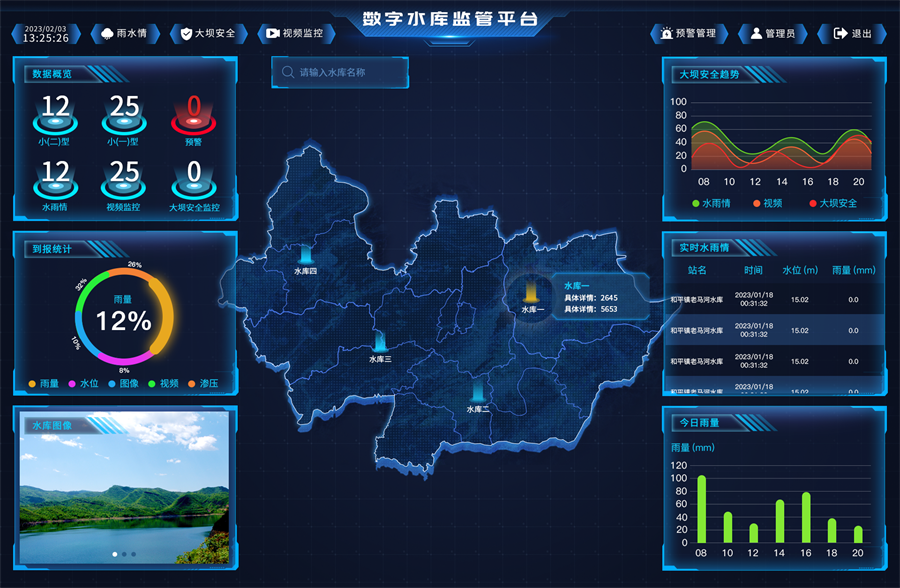
It collects hydrological and rainfall information and transmits it to the monitoring system in real time, allowing for convenient browsing of such information within the system.
As a display platform for the automatic hydrological data collection and transmission system, it directly invokes flood forecasting results from the hydrological data collection and transmission system. Users can query all flood forecasting information via a web interface, enabling an intuitive and comprehensive understanding of the current flood control situation.
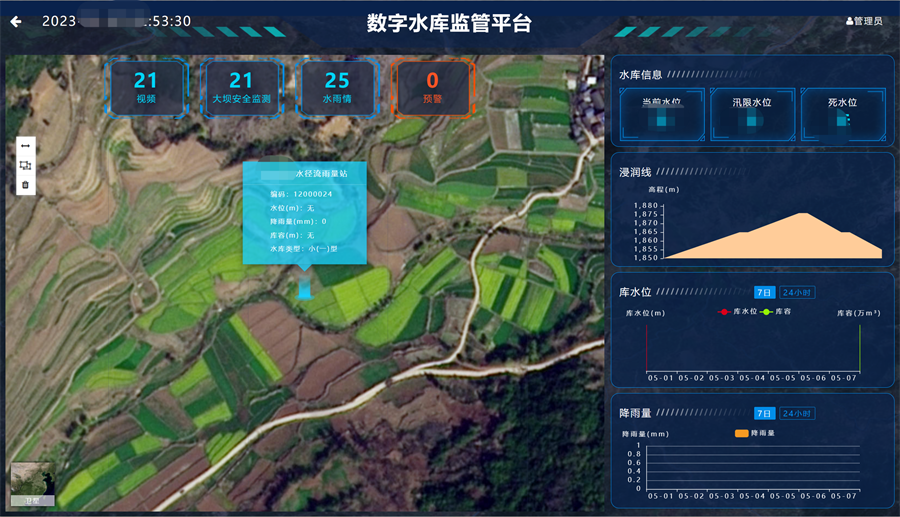
It fully leverages the existing video surveillance network to transmit video signals from the monitoring system's video servers or hard disk recorders to the reservoir's office network.
It includes user management, user group management, role management, permission management, log management, parameter settings, and measuring point settings, enabling unified maintenance of the system.
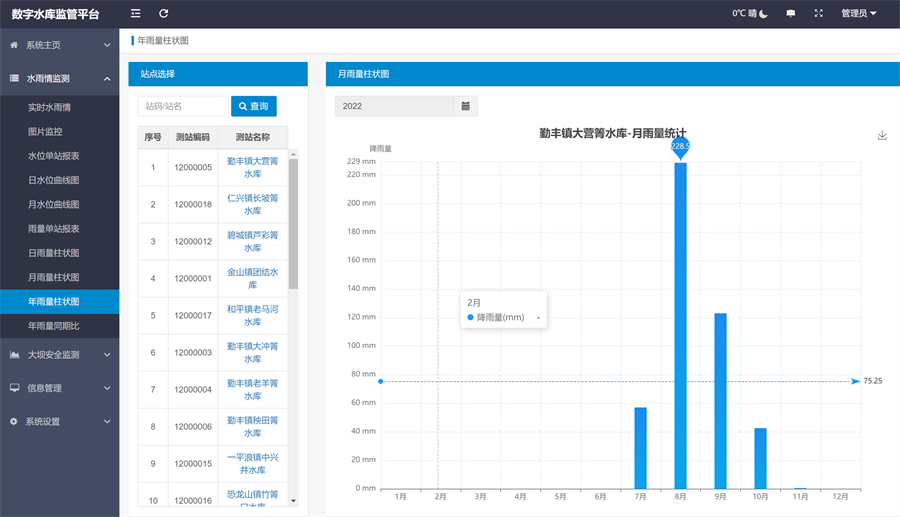
Reservoir informatization serves as a crucial means for the safe management, dispatching management, flood control and drought relief, water resources protection, and other related aspects of water conservancy projects. Through the monitoring of reservoir hydrological conditions, information such as reservoir storage capacity, water level, and flow rate can be obtained, enabling real-time grasp of reservoir change trends. This provides a scientific basis for planning and management, flood prevention, and other endeavors.
It facilitates administrators in promptly understanding the operational status and development trends of reservoir dams, offering effective auxiliary decision-making information to reservoir dam management authorities. Additionally, it enables timely and rapid evaluation of the safety status of reservoir dams, as well as predictive forecasting, thereby minimizing the potential hazards of possible disasters.