In China, drowning has become the leading cause of injury-related deaths among students aged 1-14. In recent years, drowning incidents have occurred from time to time when individuals ignore warning signs and dissuasion, entering rivers, lakes, reservoirs, waterlogging ponds, canals, and protected areas of river courses for recreation and falling into the water. Most accidents happen when the drowning person is left alone for more than 5 minutes. After an accidental fall into water, a person can lose consciousness within just 2 minutes, and permanent brain damage or drowning death can occur within 4-6 minutes. Preventing student drowning is an urgent task.
Recently, the Office of the State Council Education Steering Committee issued Warning No. 3, requiring schools across the country to strengthen the publicity of drowning prevention knowledge and the hazards of drowning. At the same time, governments at all levels are required to immediately issue risk reminders and early warnings, improve various safety protection facilities, strengthen patrol inspections, promptly detect potential dangers, and properly handle emergency responses.
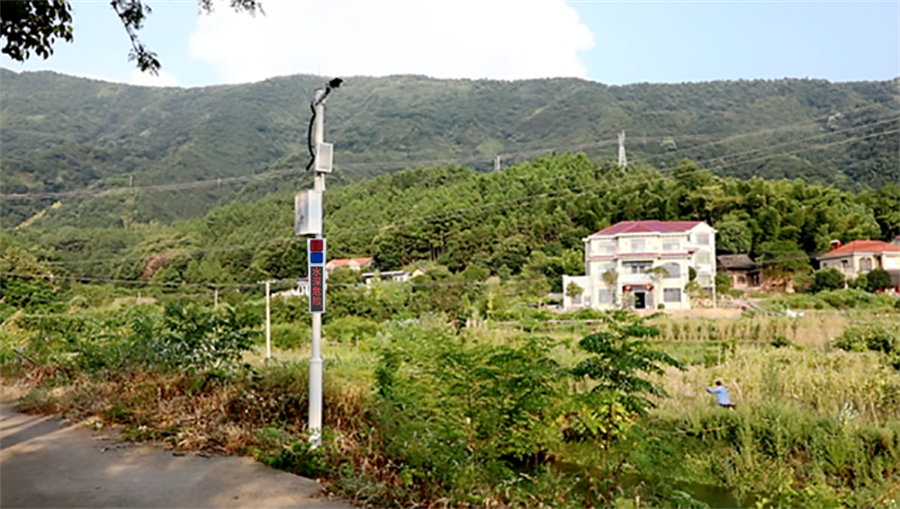
At present, there is a lack of monitoring and warning equipment in high-risk water areas prone to drowning, such as reservoirs, rivers, lakes, river and lake shorelines, deep pools, and construction site puddles. This leads to delayed drowning early warnings for students and other people, making it impossible to take rescue measures immediately when accidents occur, resulting in many tragedies.
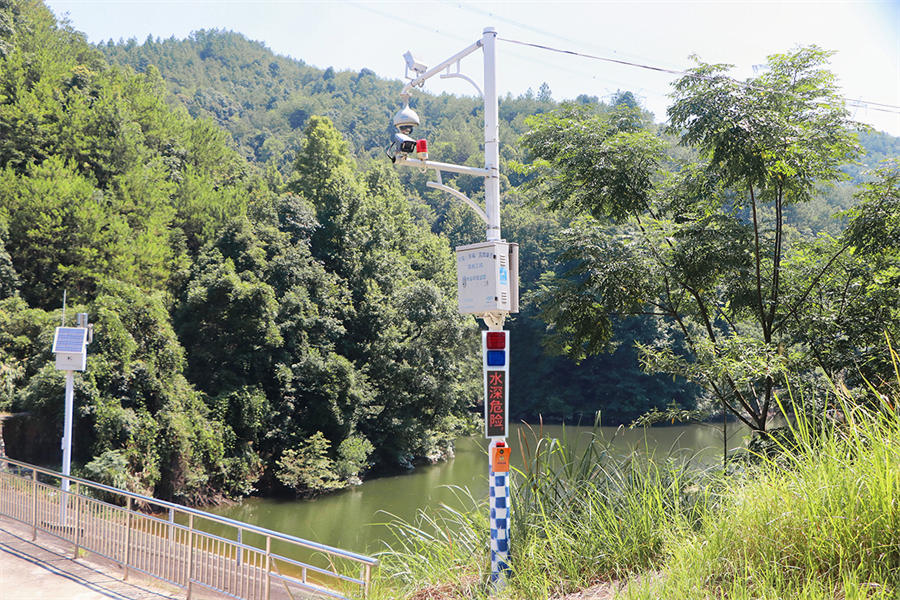
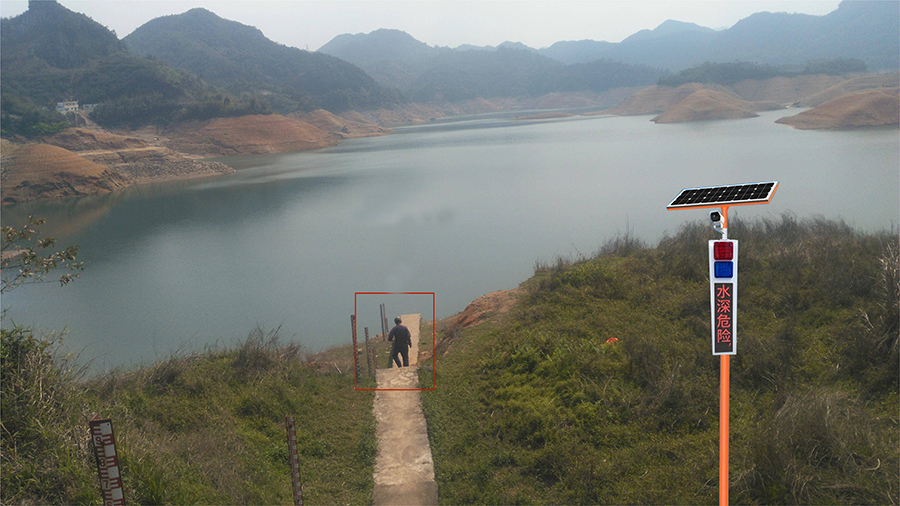
The construction objectives of the integrated drowning prevention warning, monitoring, and alert system platform are as follows:(1) By deploying intelligent cameras in high-risk water areas and utilizing the platform's alert function, warning lines are delineated in relevant water areas. When someone approaches the water, on-site equipment immediately triggers audio-visual alarms and pre-set reminder voices, informing them that they have entered a dangerous area and should leave as soon as possible.(2) Warning information is also sent to the backend of the drowning prevention monitoring system to remind staff to check the monitoring in a timely manner. If an incident occurs, the personnel in the area are warned immediately, or nearby units (personnel) are notified to reach the scene for evacuation or rescue.(3) Cameras capture facial images and compare them with the facial database of students from local education departments. After a successful match, students, teachers, and parents are alerted. Parents and teachers are informed of the student's location through various means such as short messages, phone calls, and mobile apps.
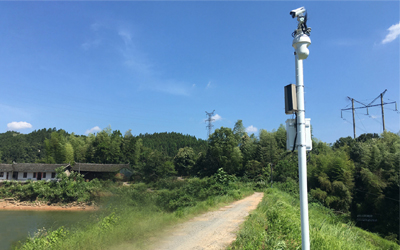
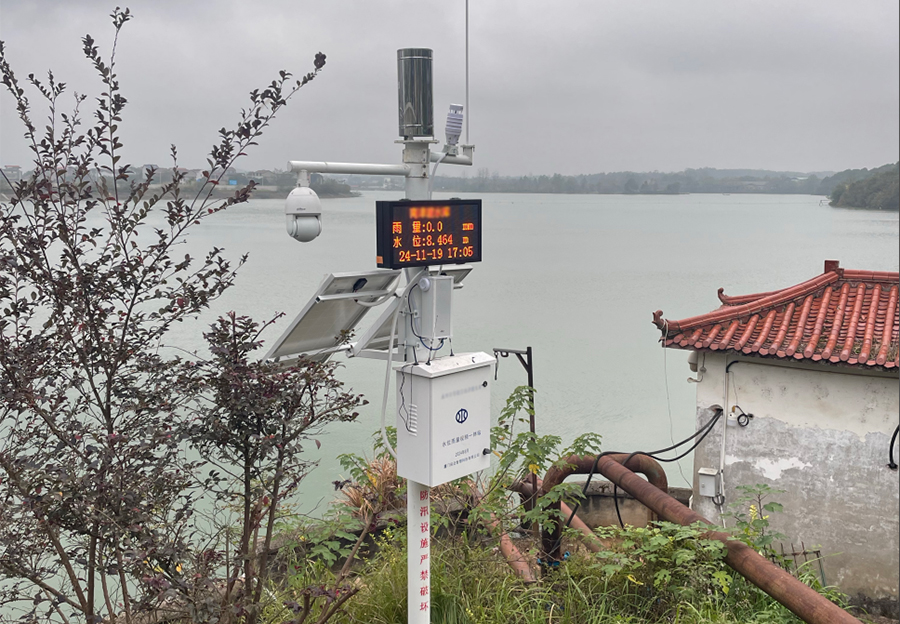
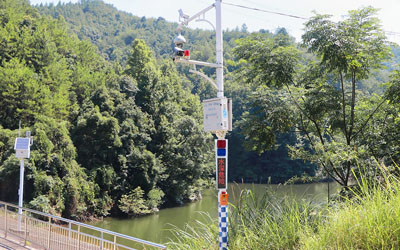
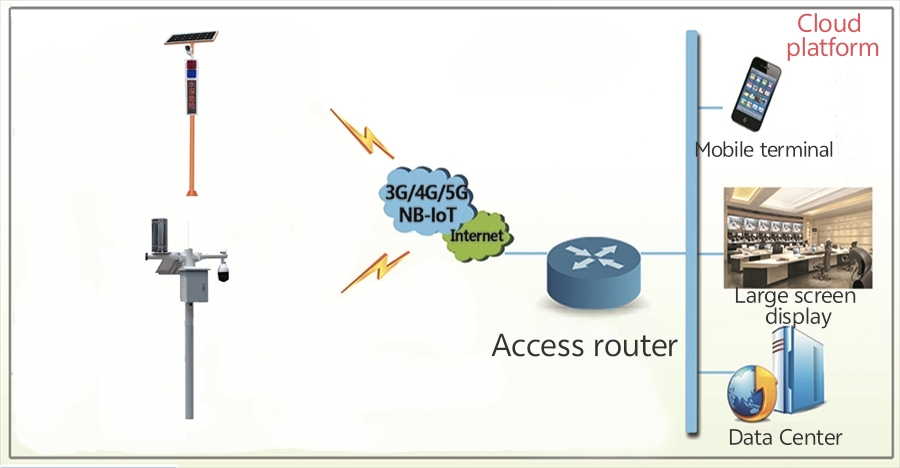
Based on the video aggregation and management capabilities of the intelligent drowning prevention warning and monitoring system, front-end devices such as cameras deployed in high-risk water areas (including reservoirs, rivers, lakes, river and lake shorelines, deep pools, and ponds) can be uniformly and centrally accessed. The system collects audio and video information in real time and transmits it to the platform via communication technologies such as 4G.
Leveraging the platform's capabilities in video transcoding, processing, distribution, intelligent analysis, and intelligent early warning, 24/7 uninterrupted high-definition video monitoring of high-risk water areas is realized. This effectively enhances the management and control of high-risk water areas and strengthens drowning prevention supervision during the summer season.
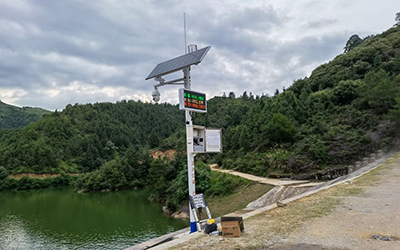
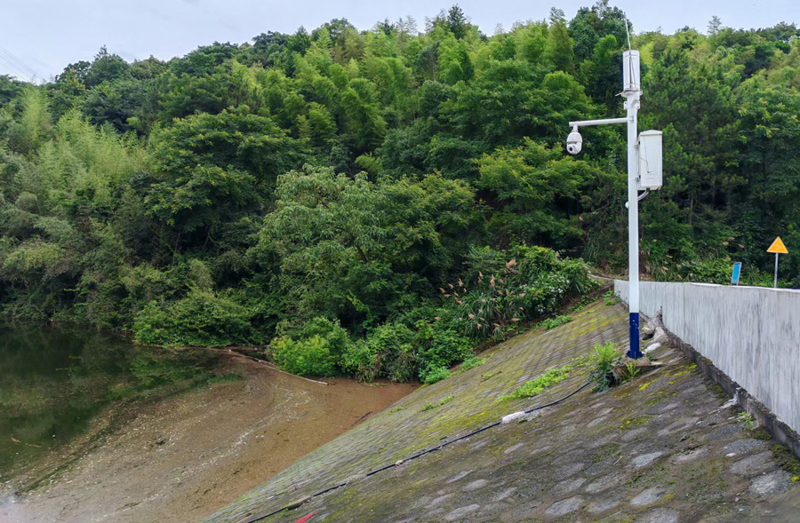
Intelligent cameras are deployed in high-risk water areas with warning lines delineated. When a person approaches the water, the monitoring device immediately captures images, transmits them to the platform, triggers an alarm, and promptly pushes the alarm information to the staff. Meanwhile, on-site warning equipment instantly activates audio-visual alarms and voice reminders, informing the individual that they have entered a dangerous area and advising them to leave as soon as possible. After receiving the alarm, managers can also check the on-site situation through video monitoring and conduct manual intervention and handling via voice broadcasting, etc.
◆ Intelligent Alert: For the monitored riverbank areas, corresponding warning lines can be delineated in the video frame. When a student approaches the riverbank warning line, the warning line alarm rule will be triggered, and the pre-set voice alarm prompt will be activated.◆ Audio Linkage: Through intelligent behavior analysis and detection, when a student is found approaching the water area on-site, an early warning signal is generated. Meanwhile, it links with the front-end broadcasting columns for voice playback, and the intercom button can also be activated for remote voice communication.◆ Real-Time Monitoring: The on-site live video can be previewed in real-time through the platform to view riverbank information, enabling timely awareness of whether there are students playing near the river.
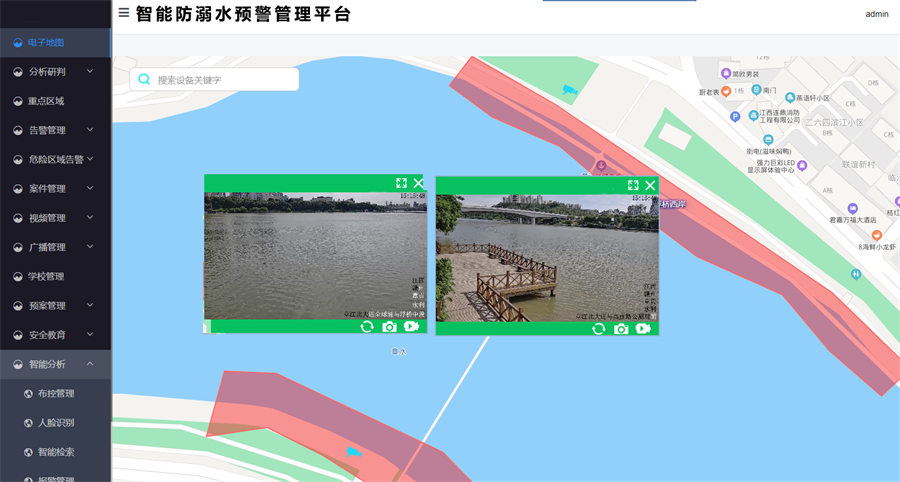
◆ Video Playback: Historical surveillance footage of monitoring points can be replayed through video control components.
◆ Alarm Linkage: When a student approaches the warning area and triggers the alarm rule, the platform will issue a pop-up voice alarm. During the alarm, the alarm information is broadcasted via a voice engine, and the broadcast content can be customized.
◆ Facial Recognition Comparison: Front-end facial capture cameras can capture facial images at key entrances and exits. In the event of a missing person, managers can upload the missing person's photo to the platform for comparative analysis with images captured by the front-end devices.
◆ Search Function: Users can perform searches on the platform based on personnel attributes, personnel characteristics, or uploaded images. This improves the accuracy of searching for suspected individuals, enables the timely identification of target persons in the student facial database, and significantly enhances the application effect of personnel management and control.
◆ Track Retrieval: For relatively confirmed target photos or images, direct track retrieval can be conducted to trace the movement trajectory of the target.
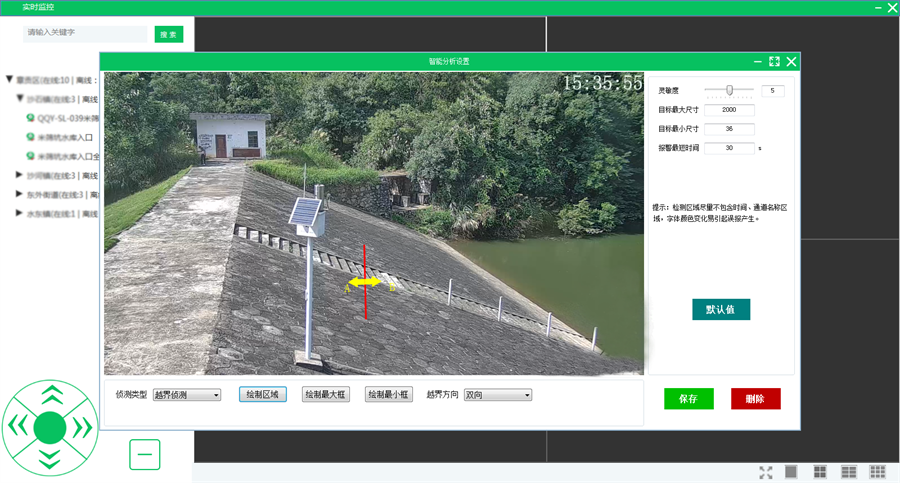
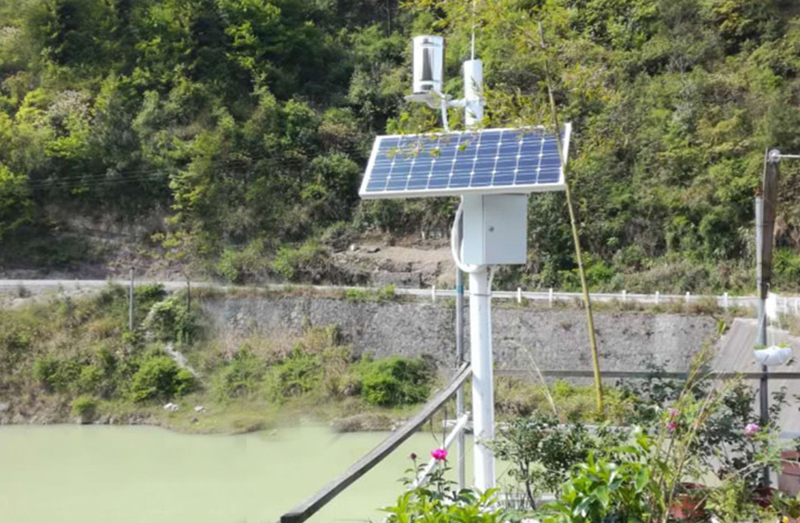
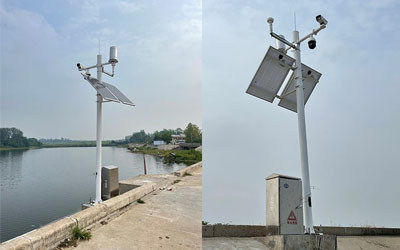
Deploying the intelligent drowning prevention monitoring system in scenarios such as reservoirs, river courses, and high-risk water areas enables 24/7 early warning, voice deterrence, and automatic alarm functions through technologies including video surveillance, voice reminders, and intelligent analysis.
Adopting solar power supply and 4G network transmission, the platform provides remote real-time video monitoring for rivers, lakes, dams, reservoirs, deep pools, and other dangerous areas. This effectively reduces the incidence of drowning incidents and helps improve the drowning prevention supervision capacity of grassroots government departments.