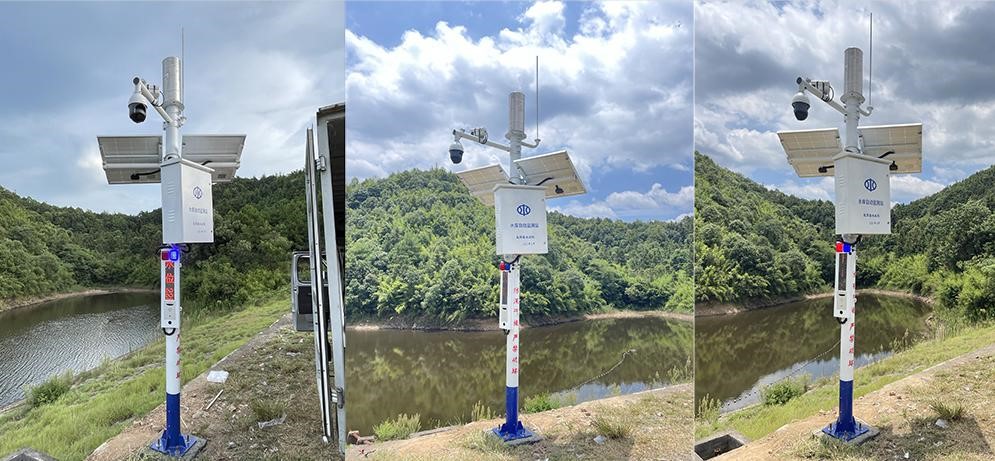
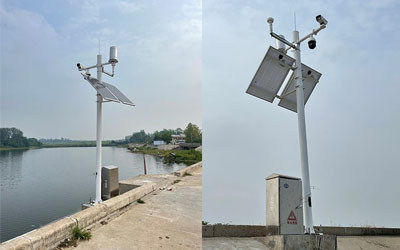
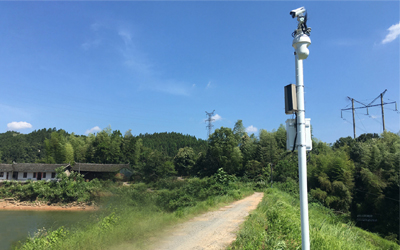
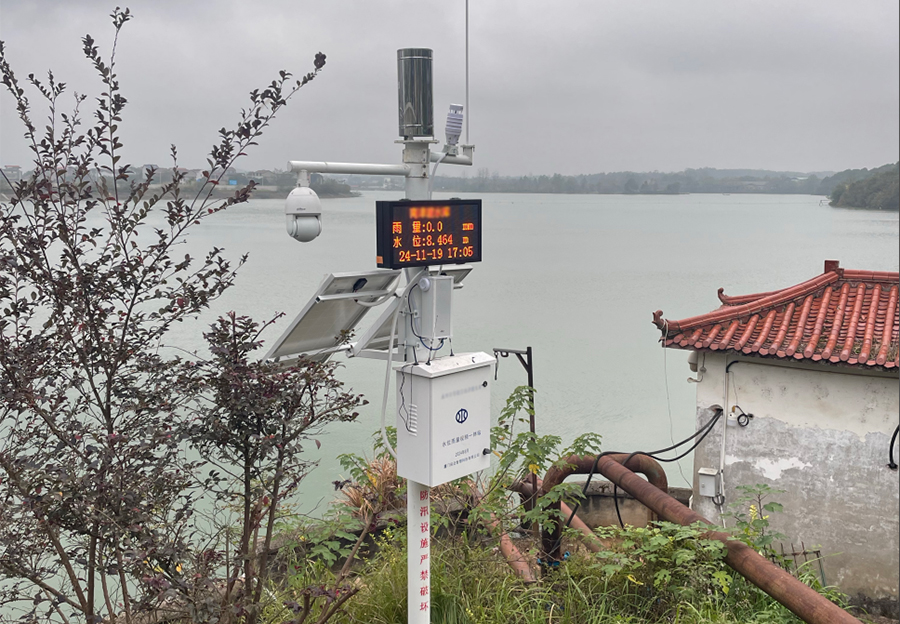
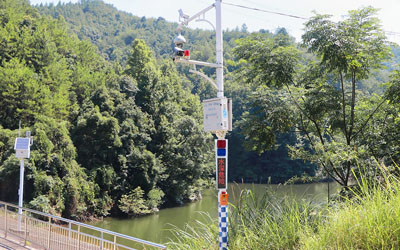
Automatic rainwater monitoring and reporting system
As a critical component of water conservancy projects, the safety of reservoir dams is directly related to the lives and property of people in surrounding areas and the stability of the ecological environment. To effectively monitor and assess the safety status of reservoir dams, ensuring their safe operation during flood seasons and daily operations, establishing a comprehensive reservoir dam safety monitoring system is particularly crucial.
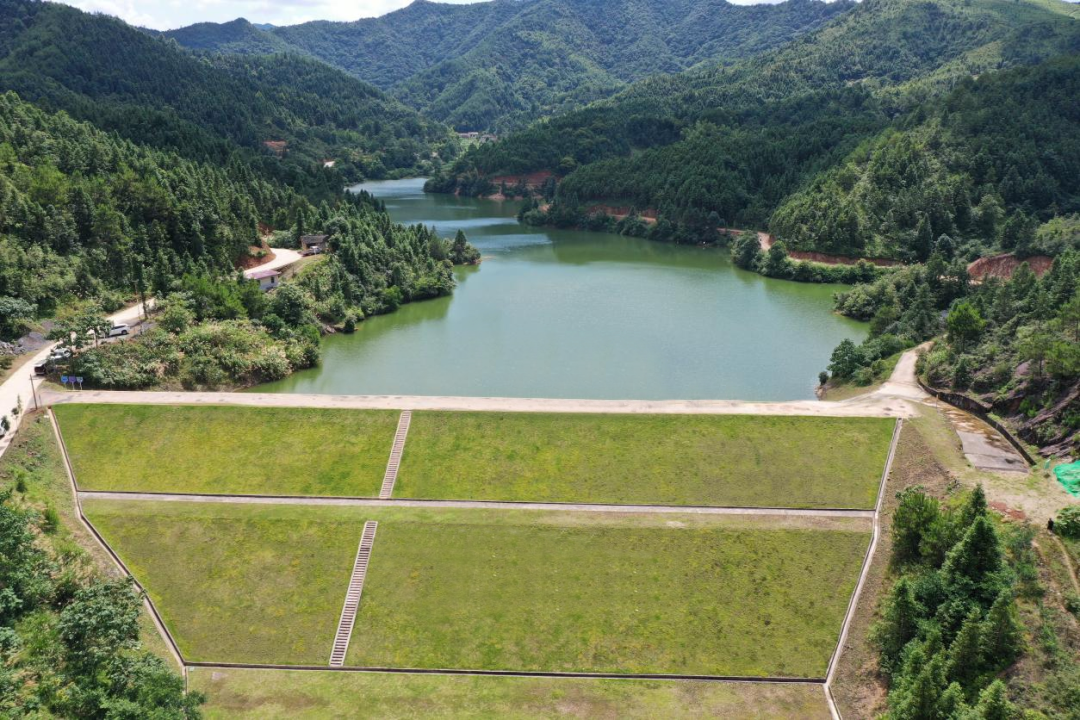
With the continuous development of IoT technology, the system will achieve broader device connectivity and data acquisition. By installing more sensors and monitoring equipment around reservoir dams, the system can obtain more comprehensive and detailed monitoring data, providing sufficient basis for evaluating dam safety. Meanwhile, these devices support remote monitoring and control functions, enabling managers to grasp dam operation status and perform remote operations anytime and anywhere.
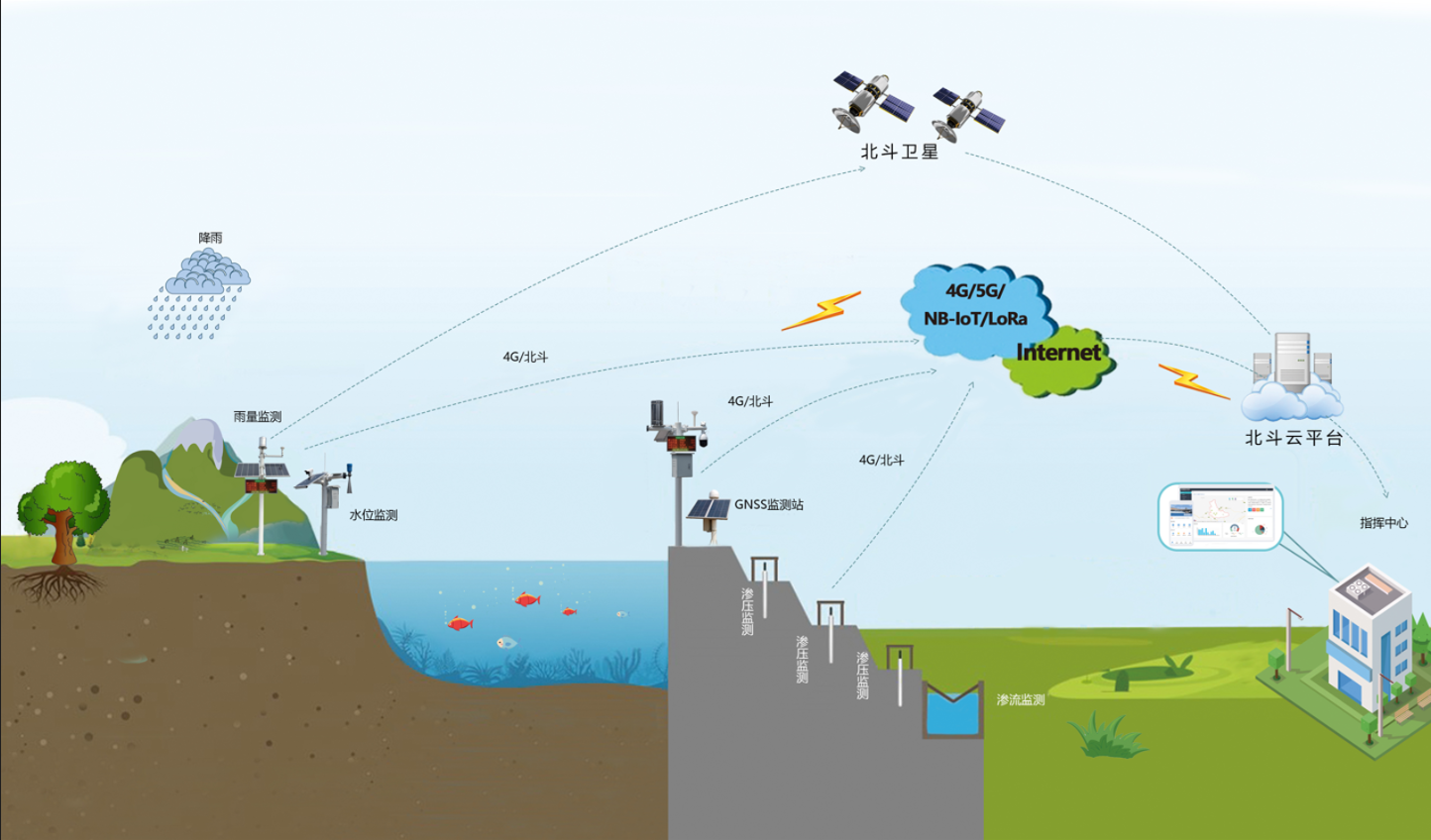
Integrating various advanced technologies and equipment, the system realizes comprehensive, real-time, and accurate monitoring of reservoir dams. It covers multiple aspects including hydrometeorological monitoring, dam structure monitoring, seepage monitoring, and deformation monitoring. By collecting and analyzing large volumes of data, it provides decision support for managers to timely detect and address potential safety hazards.
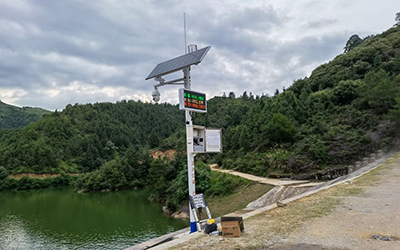
Hydrometeorological Monitoring: The system real-time acquires key data such as rainfall, water level, and flow velocity, offering critical support for flood prediction and response. Additionally, it monitors meteorological parameters like wind speed and direction to assess their impact on dam safety and formulate corresponding preventive measures.
Dam Structure Monitoring: Sensors installed inside and on the surface of the dam real-time monitor physical quantities such as stress, strain, and temperature, enabling an understanding of the dam’s stress state and deformation. Processed and analyzed data helps evaluate the overall stability and safety of the dam, providing early warnings for potential risks such as cracks and landslides.
Seepage Monitoring: A vital link that cannot be ignored. By monitoring parameters such as water level difference between upstream and downstream, and seepage flow, the system tracks the dam’s seepage condition. Immediate measures are taken upon detecting abnormal seepage to prevent structural damage.
Deformation Monitoring: Focuses on the dam’s shape changes during operation. Through regular or real-time measurement of displacement, inclination, and other parameters, it assesses deformation trends and stability. Timely repairs or reinforcement are implemented for identified deformation issues.
As an integrated system incorporating multiple advanced technologies, the reservoir dam safety monitoring system aims to ensure the safe and stable operation of reservoir dams. Through functions such as real-time monitoring, data collection, analysis and processing, and early warning and alarm, it comprehensively safeguards the structural health and safety of dams.
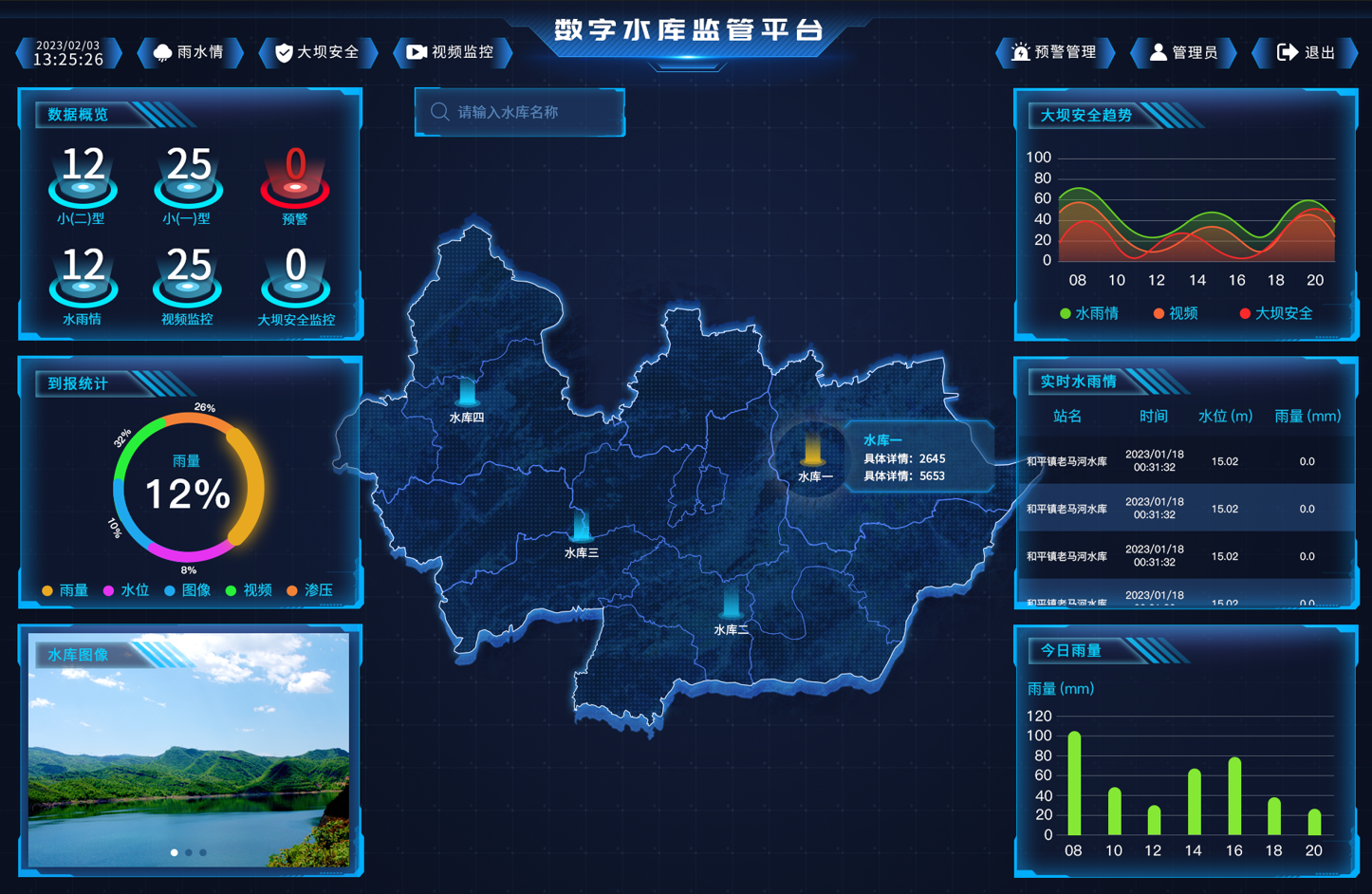
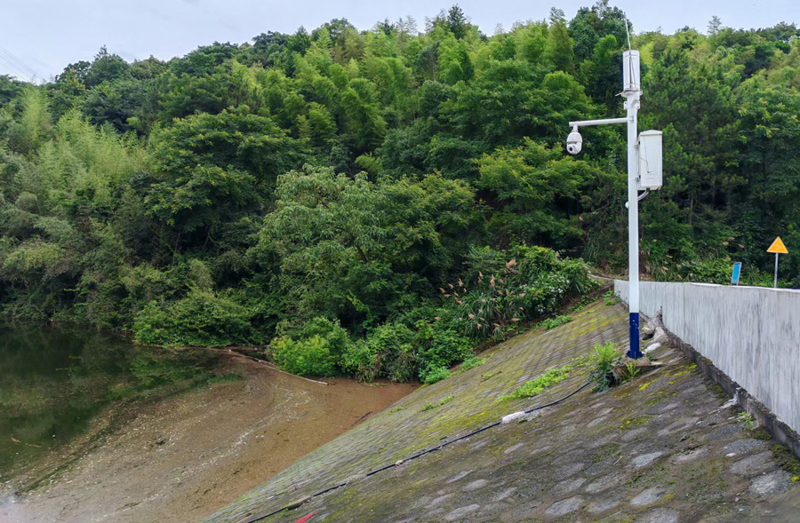
Real-Time Monitoring: Tracks key dam parameters including water level, rainfall, seepage, deformation (e.g., horizontal displacement, vertical displacement, deflection, joint displacement, interface displacement), cracks, inclination, and video surveillance. Data is collected via high-precision sensors and automated data acquisition devices to ensure accuracy and real-time performance.
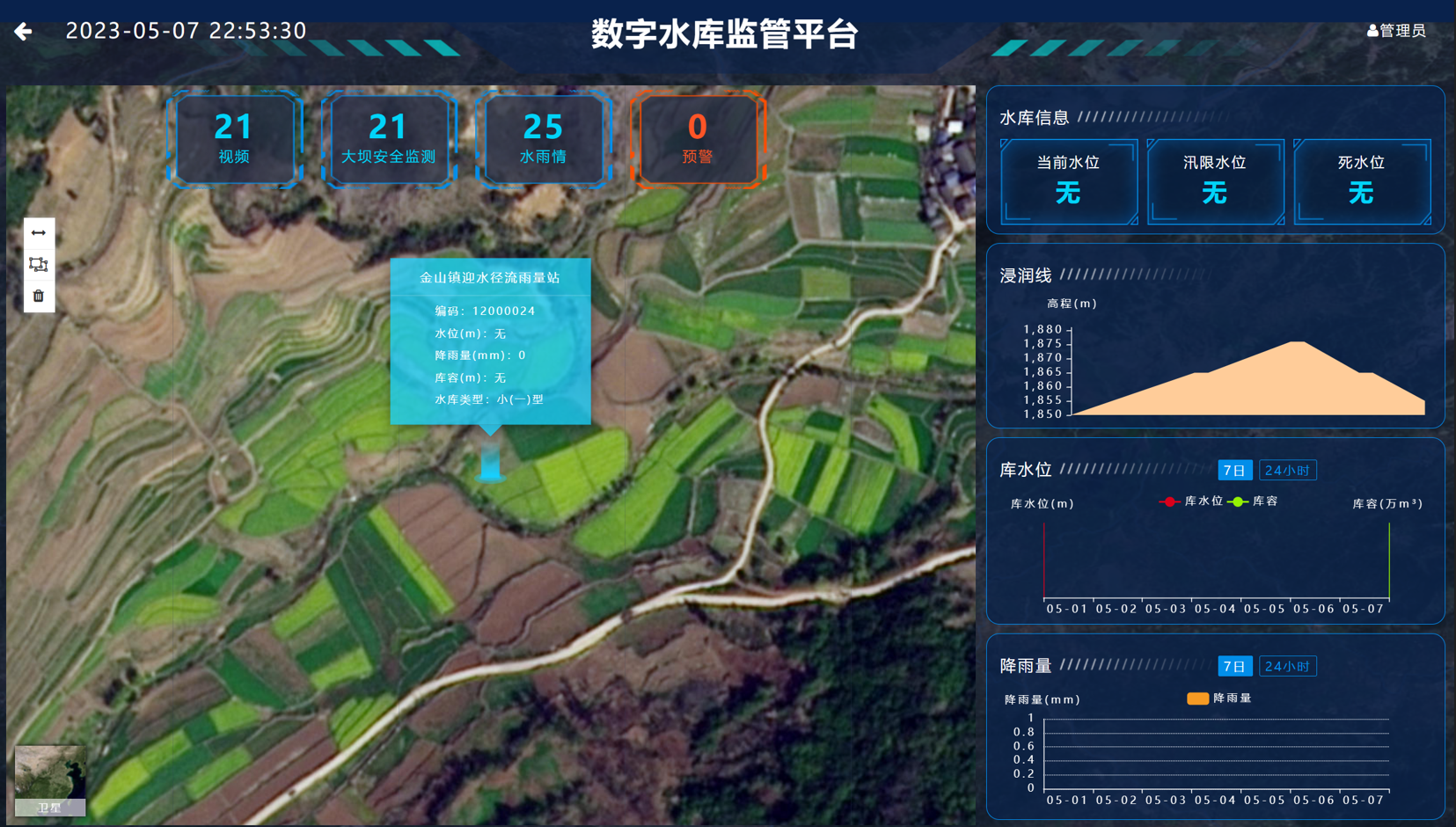
Data Processing and Analysis: Collected data is transmitted to the control center and processed in real-time by specialized software platforms. Using in-depth data mining and intelligent algorithms, the system timely detects potential safety hazards and evaluates dam safety status.
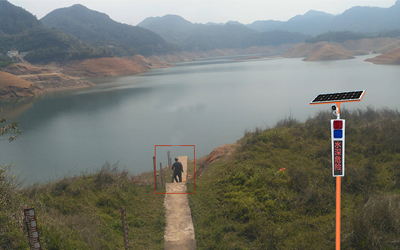
Early Warning and Alarm: When monitoring data is abnormal or exceeds preset thresholds, the system immediately triggers an early warning mechanism, sending alerts to relevant personnel via multiple channels (e.g., SMS, email, acousto-optic alarms). This enables rapid response to mitigate or avoid safety accidents.
Historical Data Management: The system supports long-term monitoring and recording, storing historical data to provide reference for dam safety management. This data is also applicable for scientific research and engineering analysis, offering strong support for dam maintenance, reinforcement, and renovation.
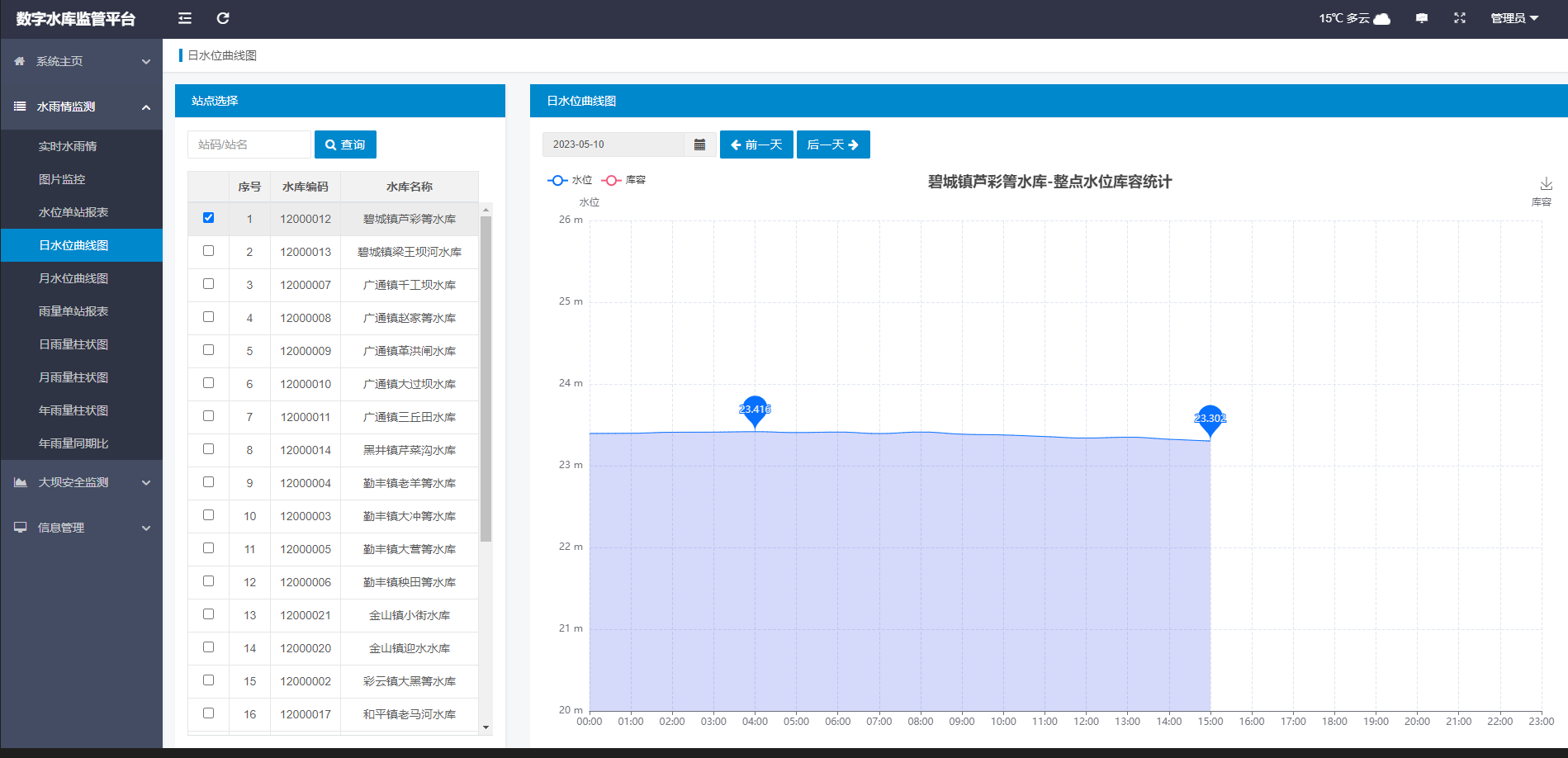
In summary, the reservoir dam safety monitoring system provides robust guarantee for the safe operation of reservoir dams through comprehensive, real-time, and accurate monitoring. During flood seasons and daily operations, it timely detects and addresses potential safety hazards, ensuring stable dam operation. Additionally, data analysis and mining offer scientific basis for dam maintenance and management, improving management efficiency.
With technological advancements and in-depth application, the system will continue to evolve and improve. Future development will focus on intelligence, automation, and integration by introducing advanced AI, big data, and IoT technologies, optimizing data processing algorithms, and enhancing integration with other relevant systems. This will enable more precise and efficient monitoring and evaluation of dam safety, providing a solid foundation for flood control safety and the sustainable development of water conservancy projects.