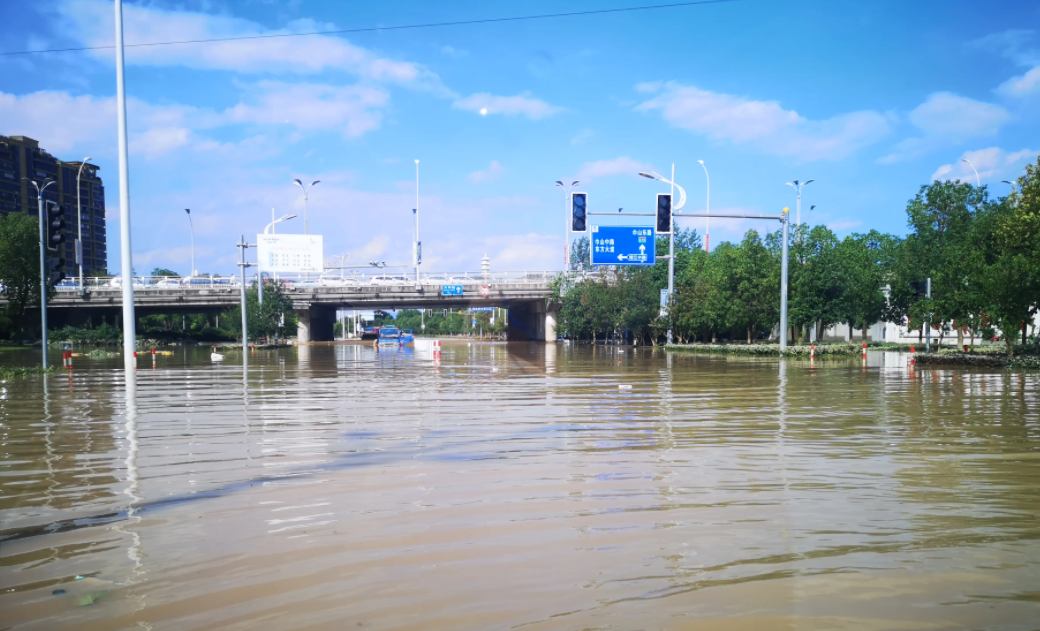
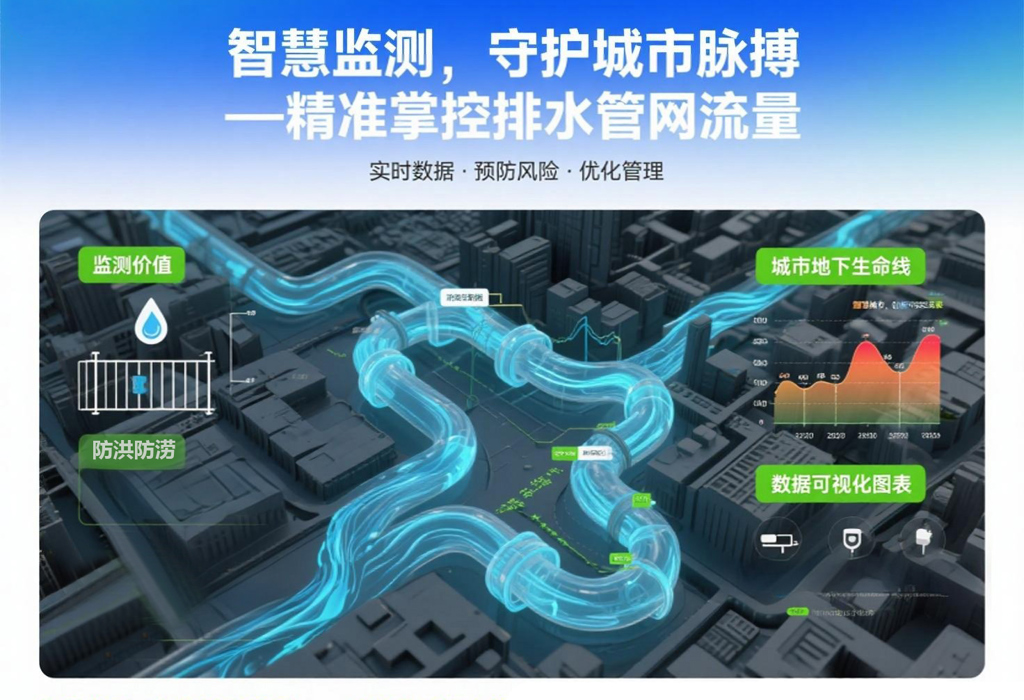
The accelerated urbanization process has brought tremendous pressure on drainage systems, and the traditional drainage pipe network management model can no longer meet the needs of modern urban development. Frequent extreme weather events caused by climate change have significantly increased the risk of urban waterlogging. At the same time, problems such as aging underground pipe network facilities, unclear operation status, and low maintenance efficiency have become increasingly prominent.
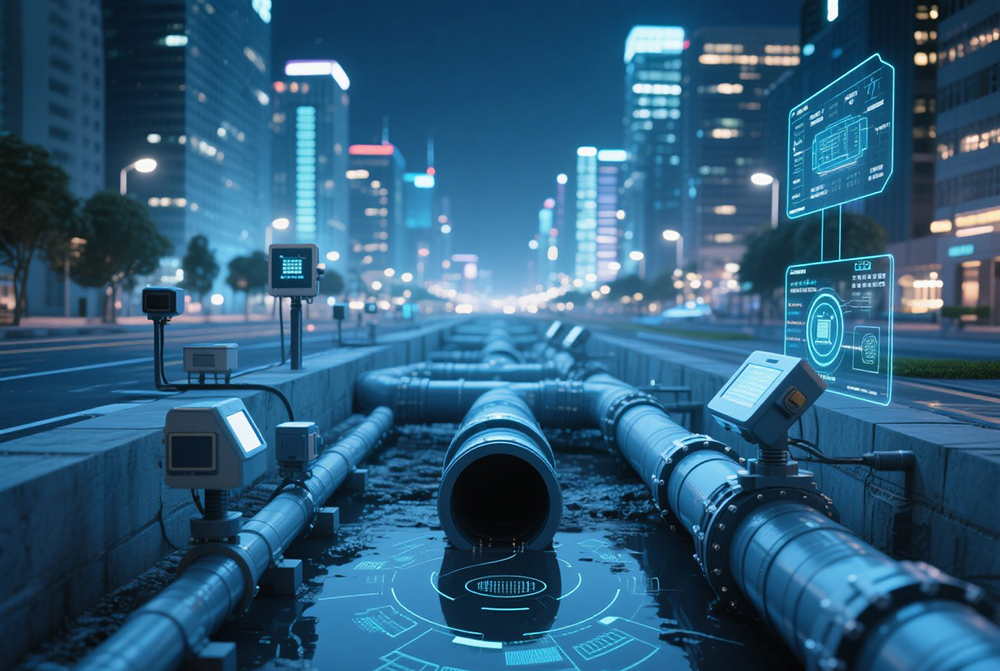
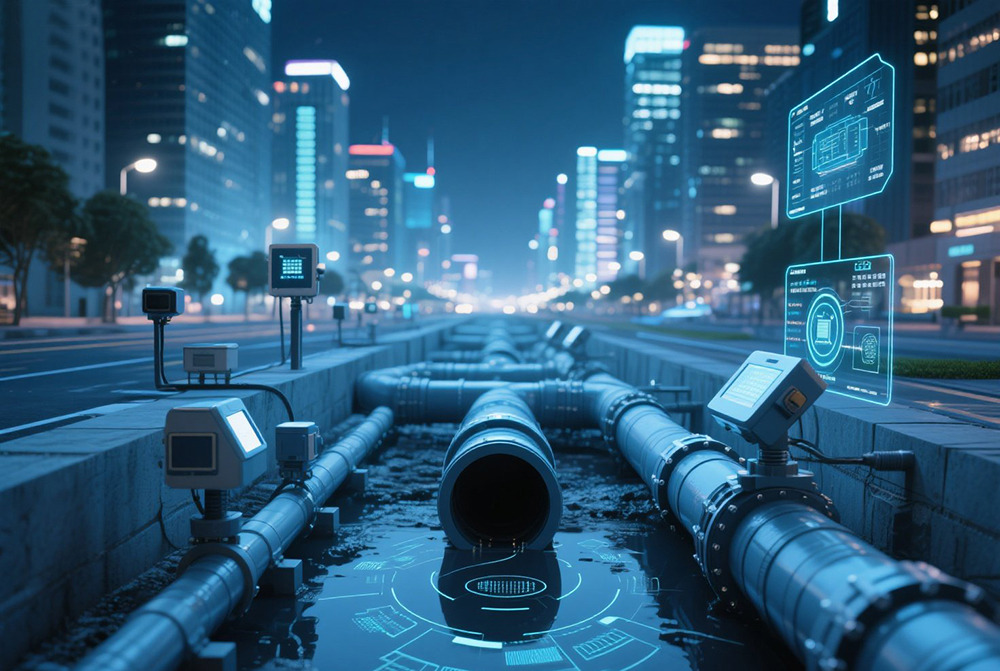
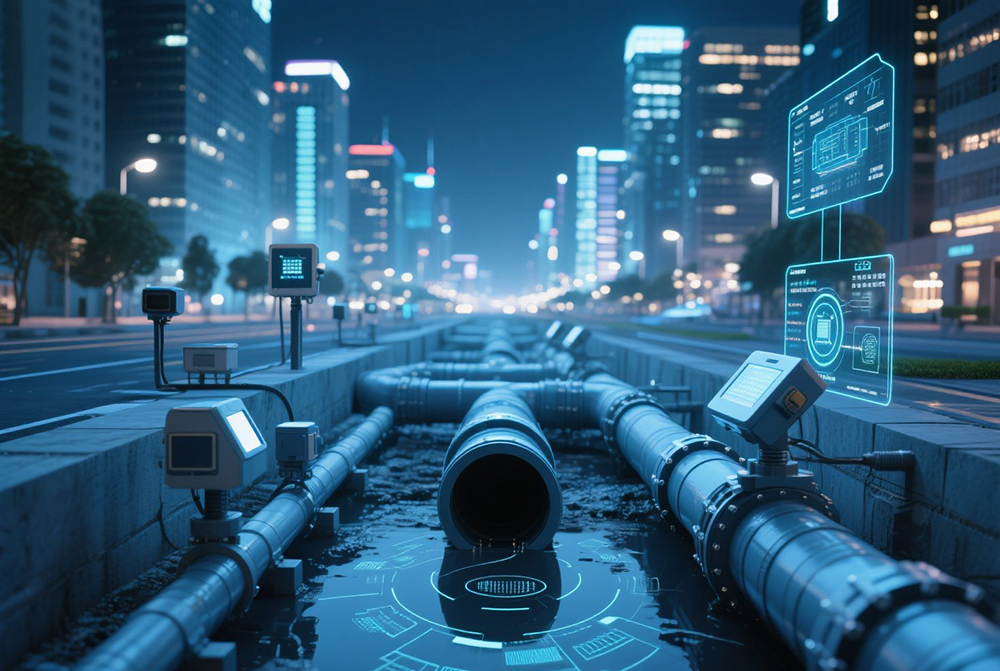
Against this backdrop, the smart drainage pipe network monitoring system based on the Internet of Things (IoT) technology has emerged. By deploying devices such as flow meters, liquid level gauges, and water quality sensors at key nodes, real-time monitoring of the pipe network’s operation status is achieved. Combined with the GIS (Geographic Information System), it can accurately locate pipe network facilities and dynamically grasp water flow conditions.
This intelligent monitoring method not only enables timely detection of abnormal situations such as pipe network blockages and overflows, but also predicts potential risks through big data analysis, providing a scientific basis for pipe network maintenance and reconstruction. Ultimately, it achieves the goals of reducing operation and maintenance costs, improving emergency response speed, and ensuring urban drainage safety.
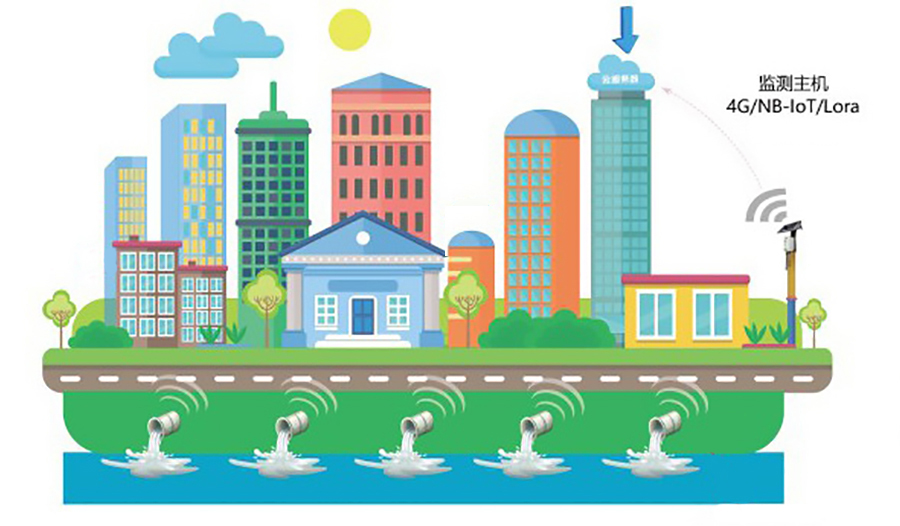
The smart city drainage pipe network monitoring system is an all-scenario, full-cycle, and all-factor drainage management platform built on technologies such as the Internet of Things (IoT), big data, and artificial intelligence. It reshapes the logic of drainage management through digital means. For its core values and functions, the system adopts a hierarchical design of perception layer, transmission layer, platform layer, and application layer to realize the closed-loop management of "data collection - transmission - analysis - application".
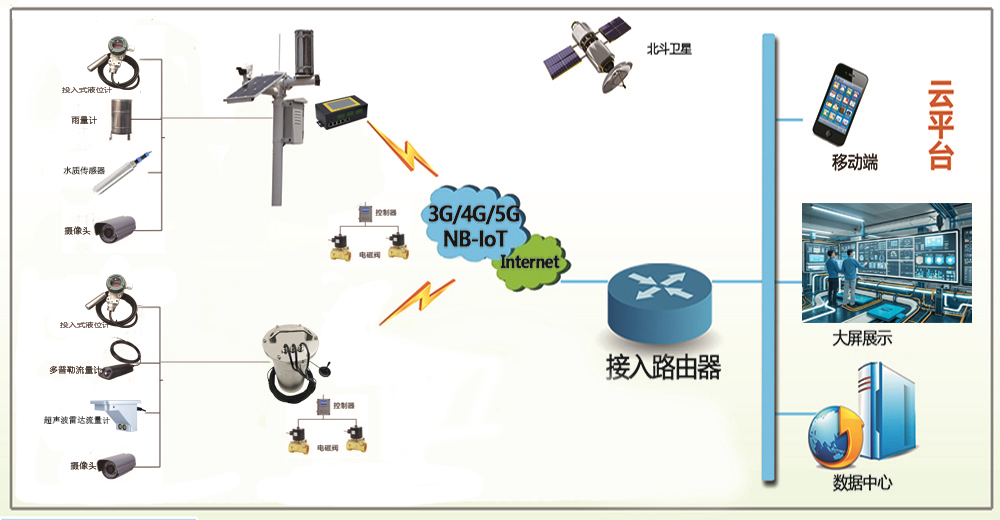
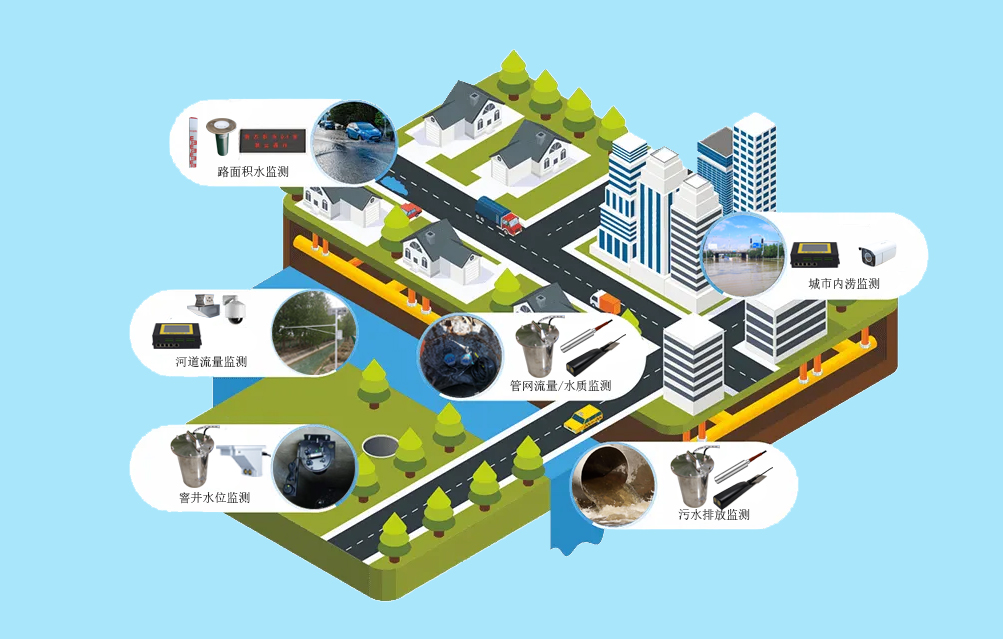
Sensors for water level monitoring, methane monitoring, flow monitoring, flow velocity monitoring, water quality monitoring, and manhole cover monitoring are deployed at key nodes. These nodes include industrial area drainage users, waterlogging-prone areas, residential area drainage users, drainage manholes, rainwater/sewage pipe networks, rural sewage treatment stations, river and lake outfalls/interception wells, drainage pumping stations, and regulation and storage tanks/ecological wetlands. The sensors capture real-time operational data of the pipe network.
Communication technologies such as 5G, 4G, WiFi, and Ethernet are adopted to efficiently transmit data from the perception layer to the platform layer, ensuring the stability and real-time performance of data transmission.
It integrates GIS mapping technology and presents the geographical information of monitoring points and real-time data through a visual interface. The layer supports data storage, analysis, and intelligent early warning.
It provides services such as drainage and waterlogging monitoring, intelligent drainage control, remote operation and maintenance, multiple alarms, and data management for scenarios including flood control, operation and maintenance, and planning. It realizes refined management that combines " peacetime and emergency operations".

The smart city drainage monitoring system achieves precise control over all drainage links through a sensor network + data platform. Its core functions cover four dimensions: monitoring, early warning, operation and maintenance, and decision-making.
Sensors for water level, flow rate, water quality, and rainfall are deployed at key nodes such as drainage pipe networks, pumping stations, and sewage treatment plants. These sensors collect data continuously 24 hours a day and transmit it synchronously to the monitoring center. Modules like "Water Level Monitoring" and "Flow Rate Monitoring" can accurately capture fluctuations in pipe network water levels and changes in flow rates, providing real-time basis for drainage dispatching.

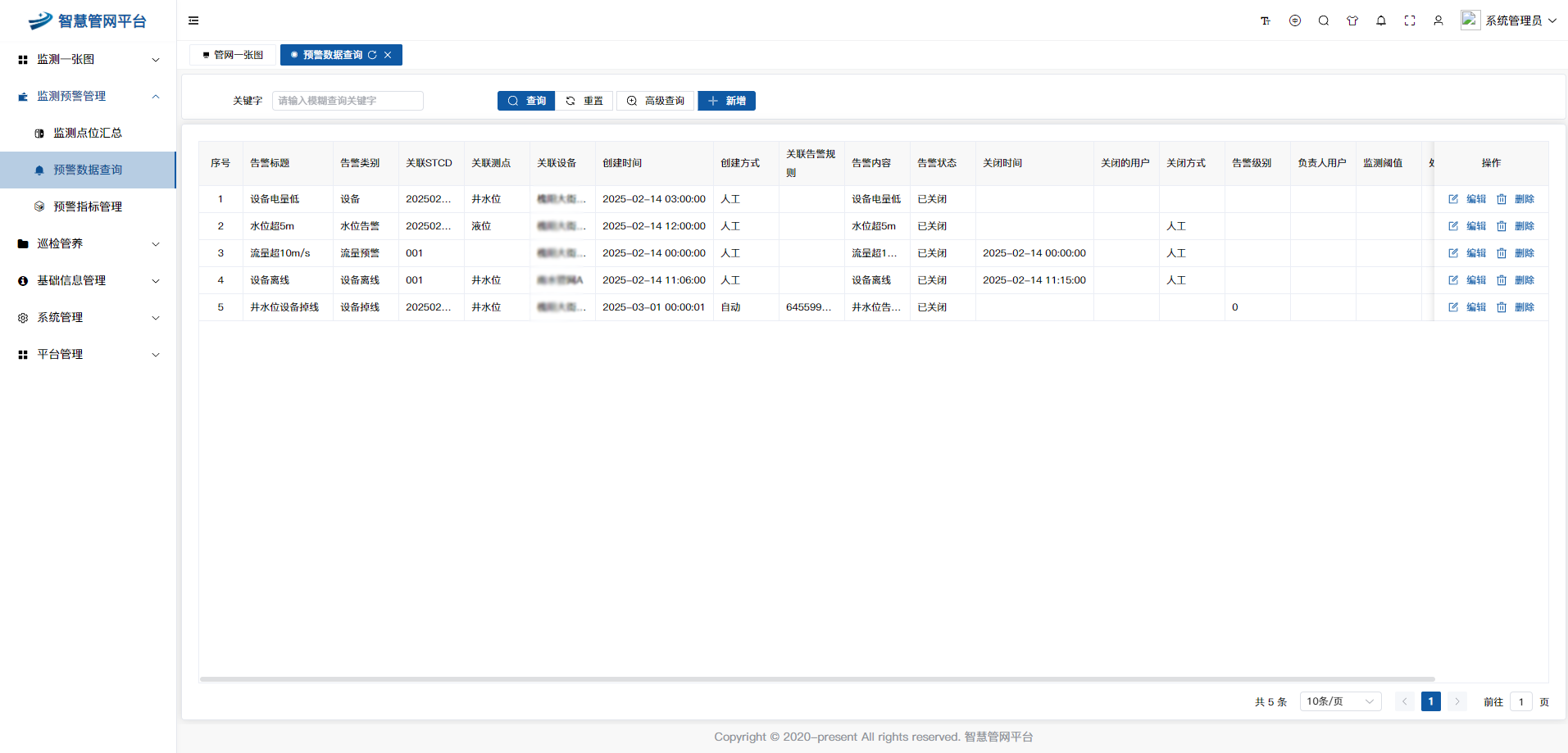
When monitoring data exceeds preset thresholds (such as excessively high water levels or abnormal flow rates), the system automatically triggers multi-channel warnings including text messages, phone calls, and platform pop-ups to assist managers in responding quickly. For instance, during heavy rains, if the water level rises abnormally, the system can immediately notify operation and maintenance personnel to activate pumping stations for drainage, preventing waterlogging.
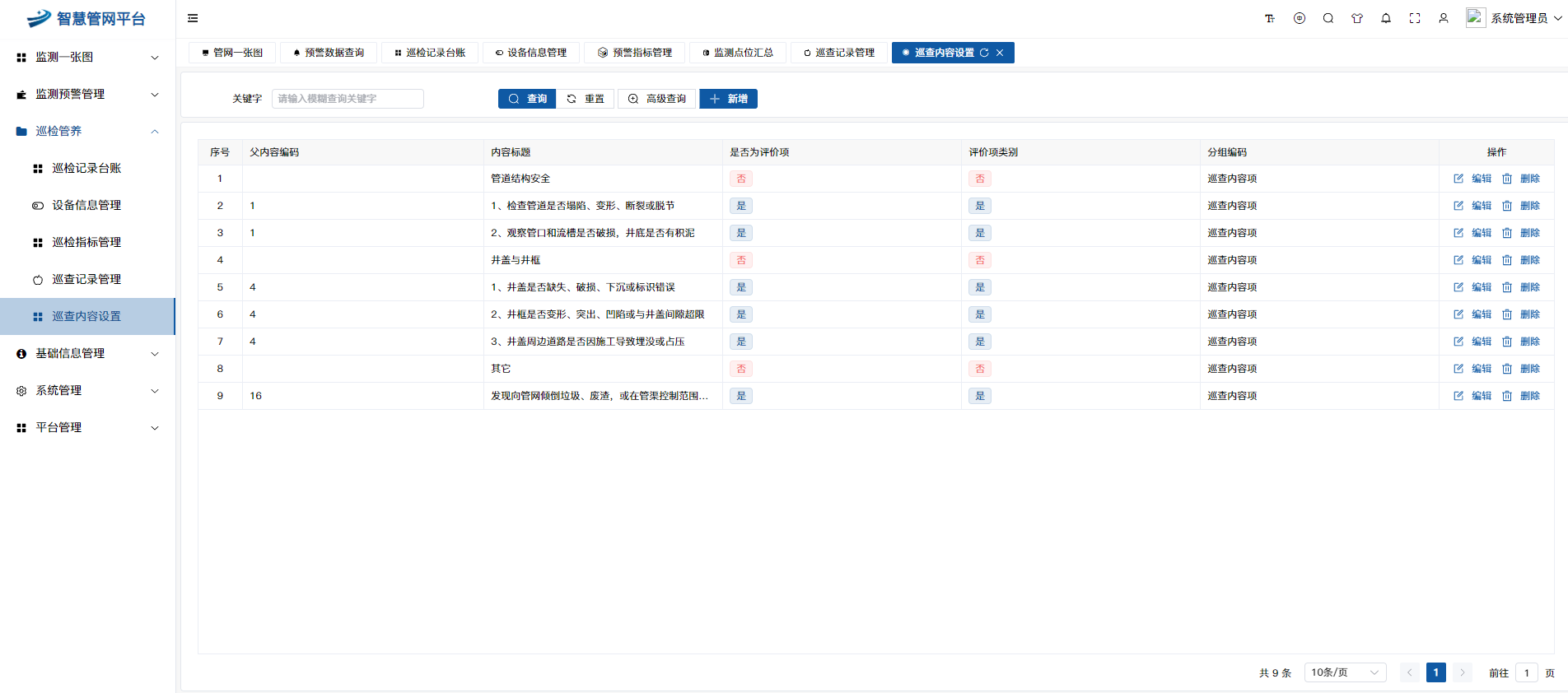
It supports remote access via computers and mobile apps, enabling remote start/stop and parameter adjustment of drainage equipment (such as pumping stations and valves), which significantly improves the efficiency of operation and maintenance. At the same time, the system can automatically generate statistical reports such as daily reports and monthly reports to assist managers in evaluating the operation status of the drainage system.
It conducts in-depth analysis of historical data and establishes mathematical models to predict drainage trends (such as drainage pressure during flood seasons), providing a scientific basis for pipe network reconstruction and waterlogging prevention plan formulation.
Waterlogging Prevention and Control: Monitor the water level in waterlogging-prone areas in real time, conduct pre-drainage before heavy rains and dispatch during heavy rains to reduce the risk of water accumulation.
Pollution Prevention and Control: Monitor the water quality of drainage outlets in industrial areas and residential areas, detect excessive emissions in a timely manner, and ensure the safety of the water environment.
Facility Operation and Maintenance: Monitor the operating status of facilities such as pumping stations and regulation tanks, provide early warnings for equipment failures in advance, and reduce downtime losses.
Planning Support: Combine regional meteorological data, pipe network layout and historical data to provide a scientific basis for drainage pipe network reconstruction, regulation tank construction and other projects.

The smart city drainage monitoring system, relying on IoT sensing technology, big data analysis, and artificial intelligence algorithms, realizes full-process, full-factor, and 24/7 refined monitoring and intelligent management and control of the urban drainage system through a closed-loop management mechanism of "comprehensive perception - intelligent analysis - scientific decision-making".
The system builds a three-dimensional perception network by deploying various sensors for water level, flow rate, and water quality. It uses a cloud computing platform for multi-source data fusion and in-depth mining, and realizes the prediction and early warning of drainage trends based on machine learning models. Eventually, it forms a collaborative governance closed-loop of "monitoring - early warning - disposal - evaluation".
As an important support for the operation of modern cities, this system can not only improve the ability of drainage and waterlogging prevention, but also optimize the efficiency of water resource utilization. It is a key component of building a new urban infrastructure system that is safe and resilient, green and low-carbon, and intelligent and efficient, and is of great significance for promoting the modernization of urban governance systems and governance capabilities.