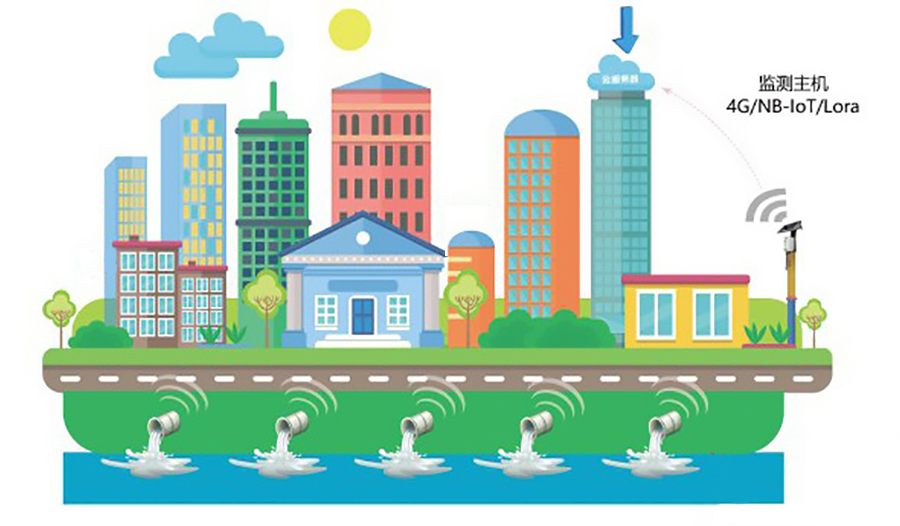
Urban underground pipe networks are a vital component of urban infrastructure, encompassing pipelines in multiple fields such as water supply, drainage, gas, electricity, and communications. However, with the continuous development and expansion of cities, underground pipe networks are confronted with numerous issues including aging, damage, and leakage, which pose significant hidden risks to the safe operation of cities and the daily lives of residents.
Traditional pipe network monitoring methods suffer from problems like low efficiency, poor real-time performance, and inaccurate data, making it difficult to meet the needs of modern cities for underground pipe network management. Therefore, establishing an efficient, accurate, and real-time urban underground pipe network monitoring system holds important practical significance.
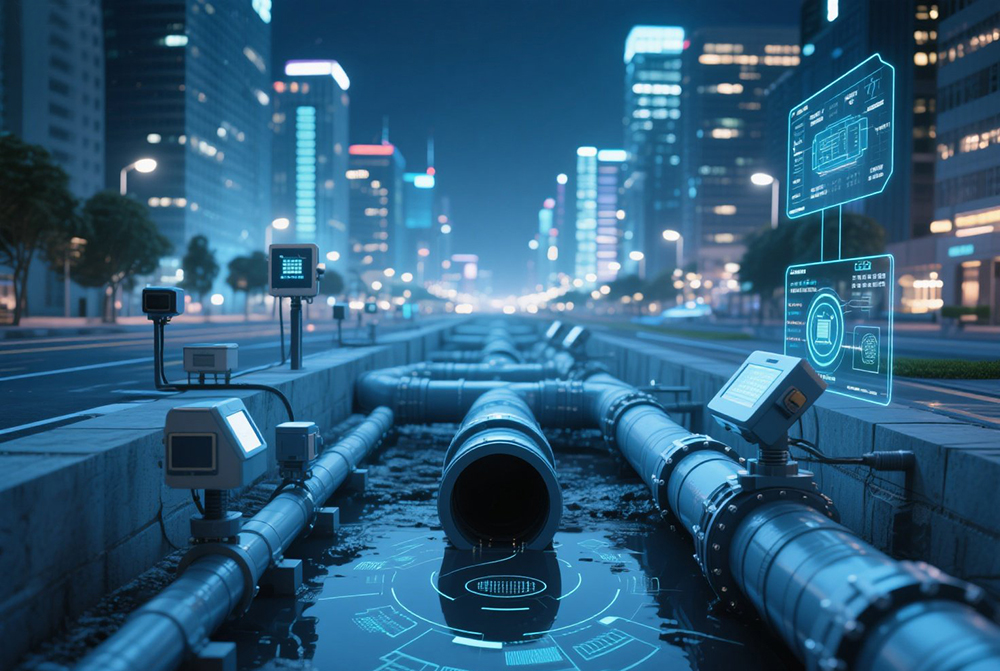
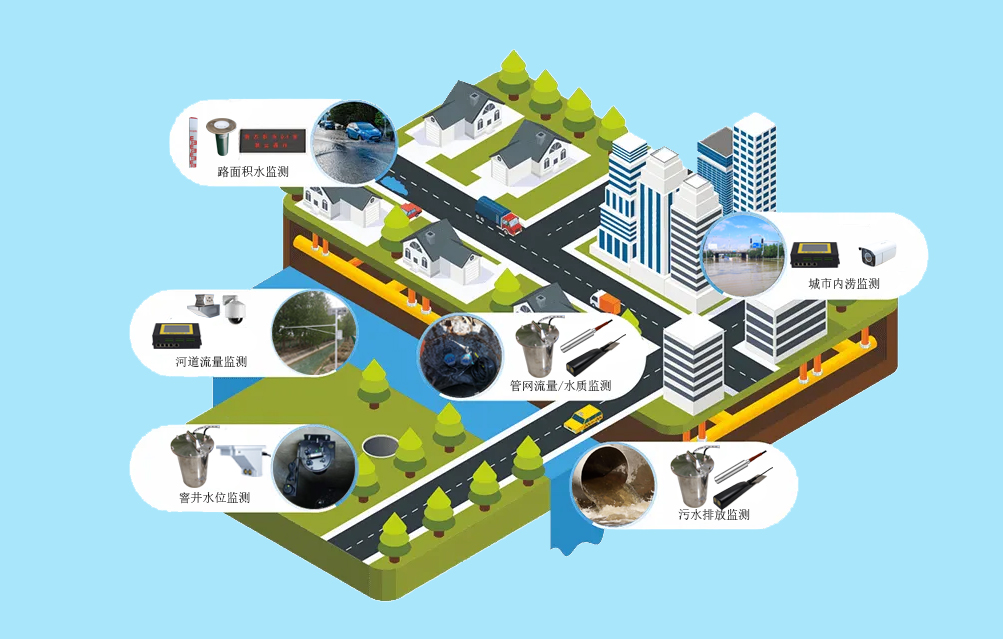
Conduct real-time monitoring of the operational status of urban underground pipe networks, including parameters such as pressure, flow rate, temperature, and liquid level, to detect abnormal conditions of the pipe networks in a timely manner.
Through the analysis and processing of monitoring data, provide early warnings for potential faults in the pipe networks, and offer decision support for the maintenance and management of the pipe networks.
Establish a comprehensive pipe network monitoring database to store, analyze, and manage monitoring data, thereby providing a data basis for the planning, design, and renovation of urban underground pipe networks.
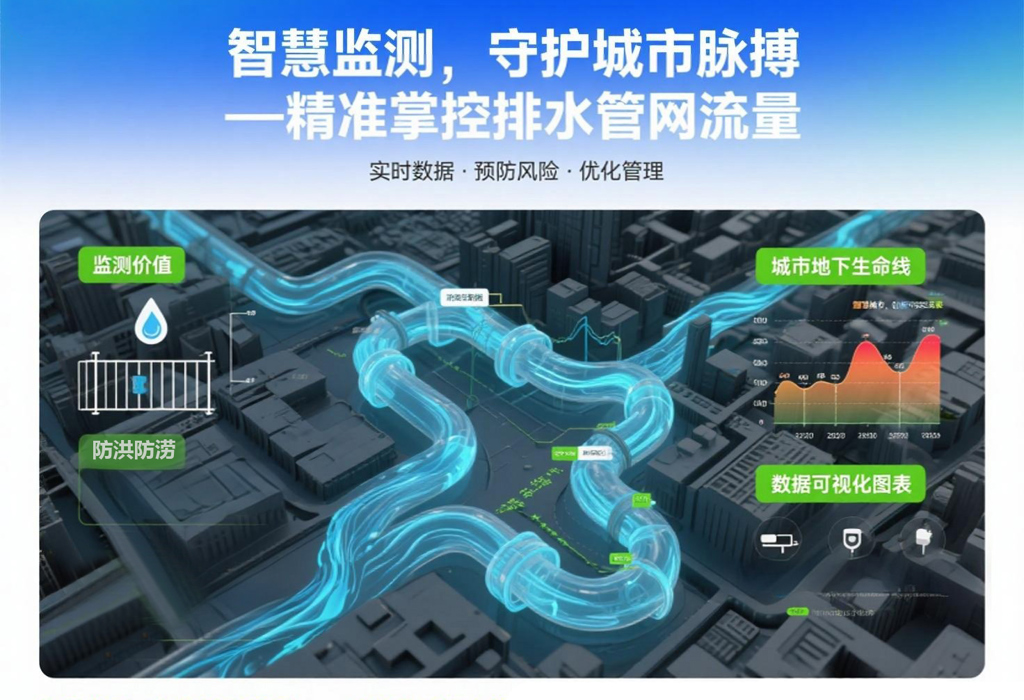
Present monitoring data in intuitive forms such as charts and maps, facilitating real-time monitoring and analysis of the pipe network’s operational status for management personnel.
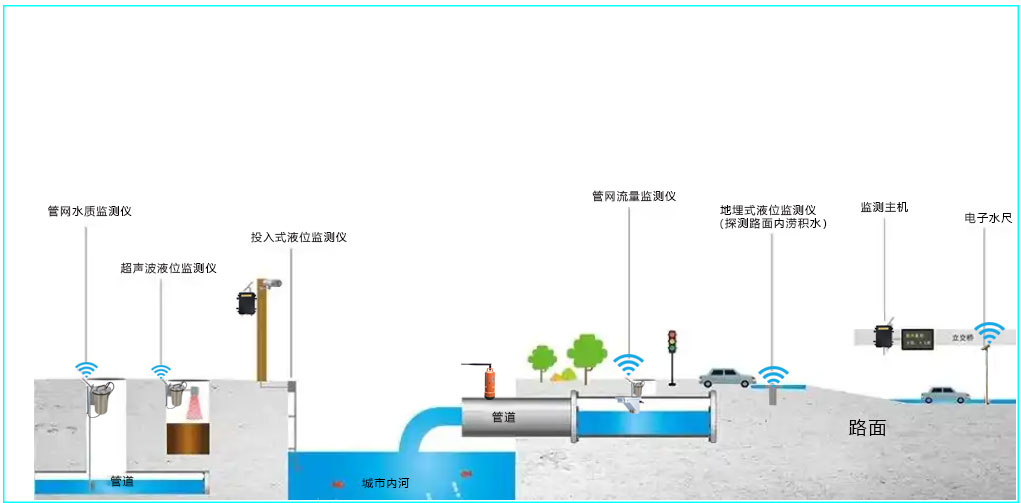
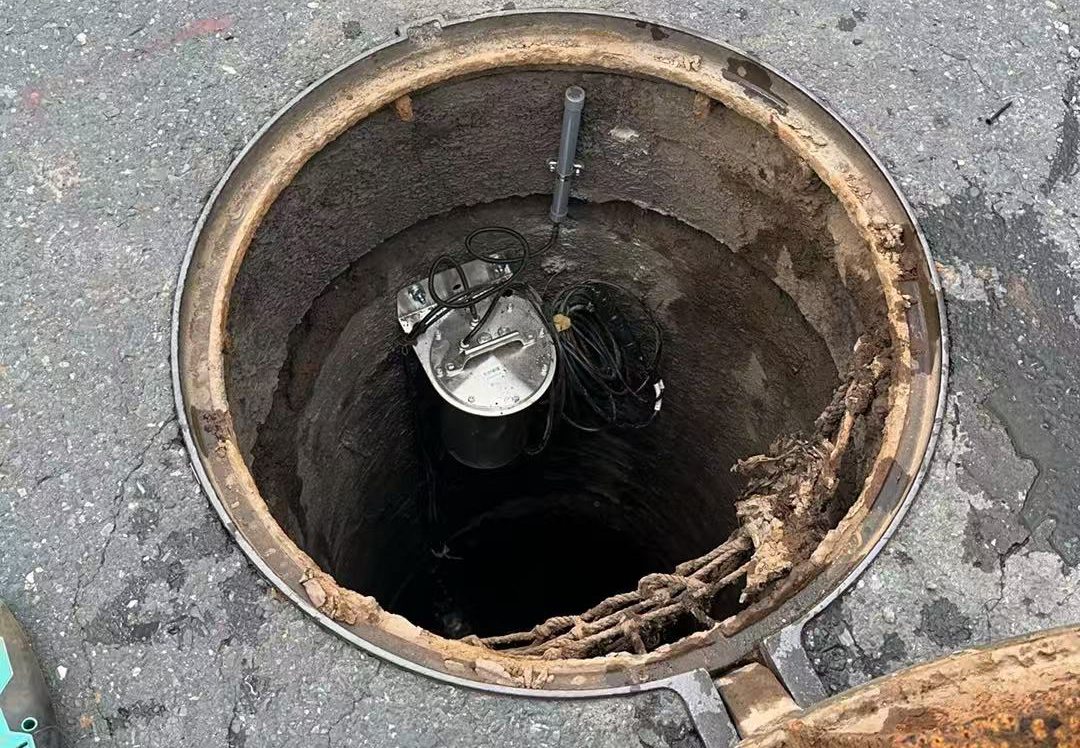
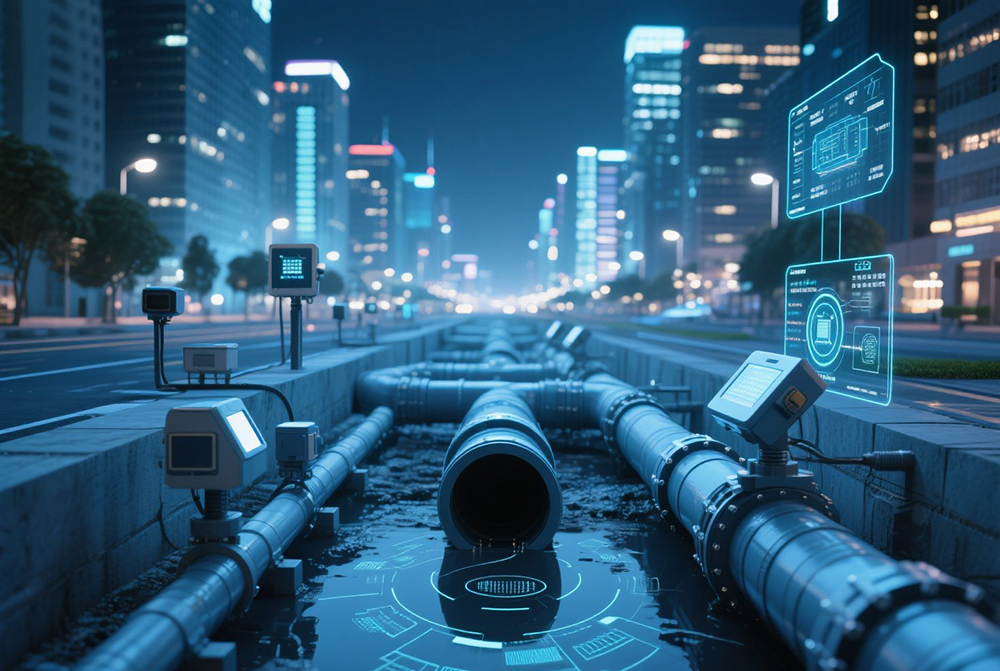
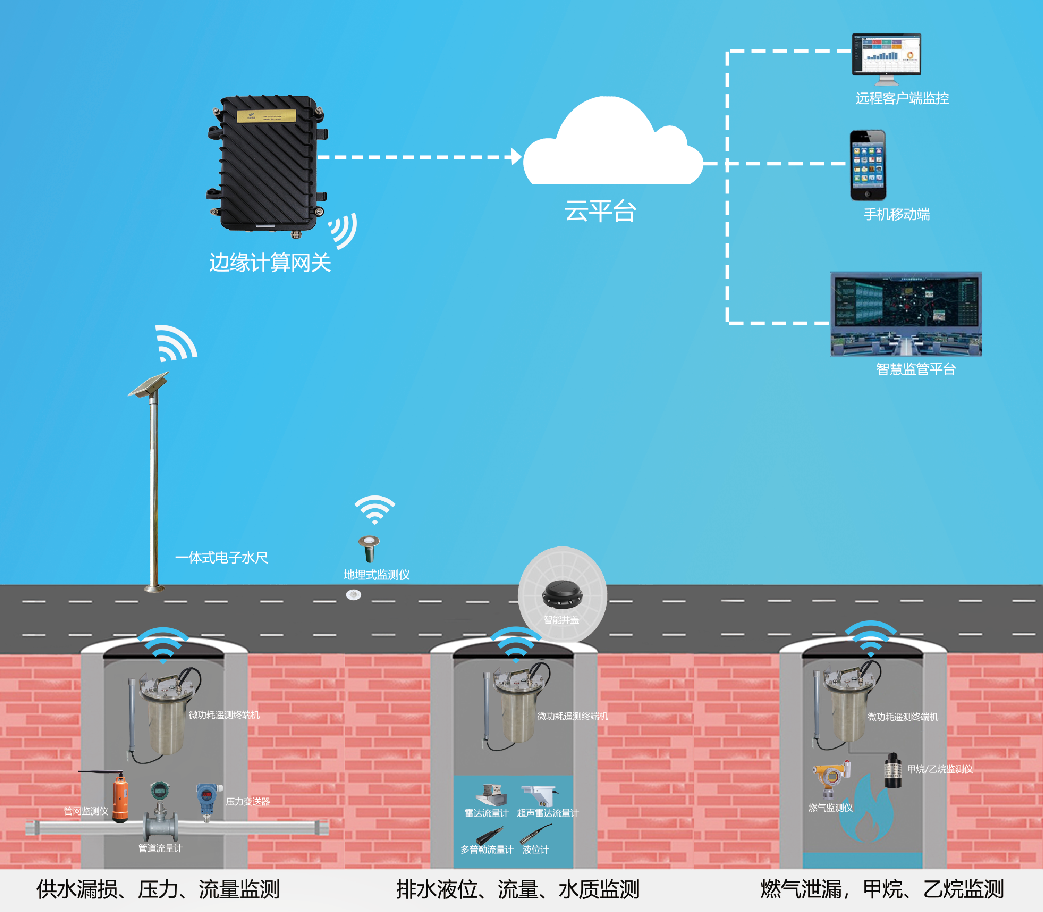
As the foundation of the system, the Perception Layer is mainly responsible for collecting various operational parameters of underground pipe networks. By installing various sensors on the pipe networks—such as pressure sensors, flow sensors, temperature sensors, and liquid level sensors—real-time operational data of the pipe networks is acquired. These sensors should feature high precision, high reliability, and low power consumption, and be able to adapt to the complex underground environment.
The Transmission Layer is primarily tasked with transmitting the data collected by the Perception Layer to the data center. Depending on the distribution of the pipe networks and actual requirements, either wired or wireless transmission methods can be selected. Wired transmission methods include Ethernet and optical fiber, which offer the advantages of stable transmission and high reliability. Wireless transmission methods include 4G/5G, LoRa, and ZigBee, which boast the benefits of easy installation and low cost.
Serving as the core of the system, the Data Center is mainly responsible for storing, processing, and analyzing the data transmitted by the Transmission Layer. It should be equipped with strong data processing and storage capabilities to perform real-time processing and analysis of massive monitoring data. Meanwhile, the Data Center should also have data security protection measures to ensure the security and reliability of the monitoring data.
The Application Layer is mainly responsible for presenting the data processed and analyzed by the Data Center to managers in an intuitive manner, and providing various application functions. It can adopt a combination of Web and mobile terminals, allowing managers to monitor and manage the operational status of pipe networks anytime and anywhere. The main functions of the Application Layer include real-time monitoring, fault early warning, data analysis, and report generation
。
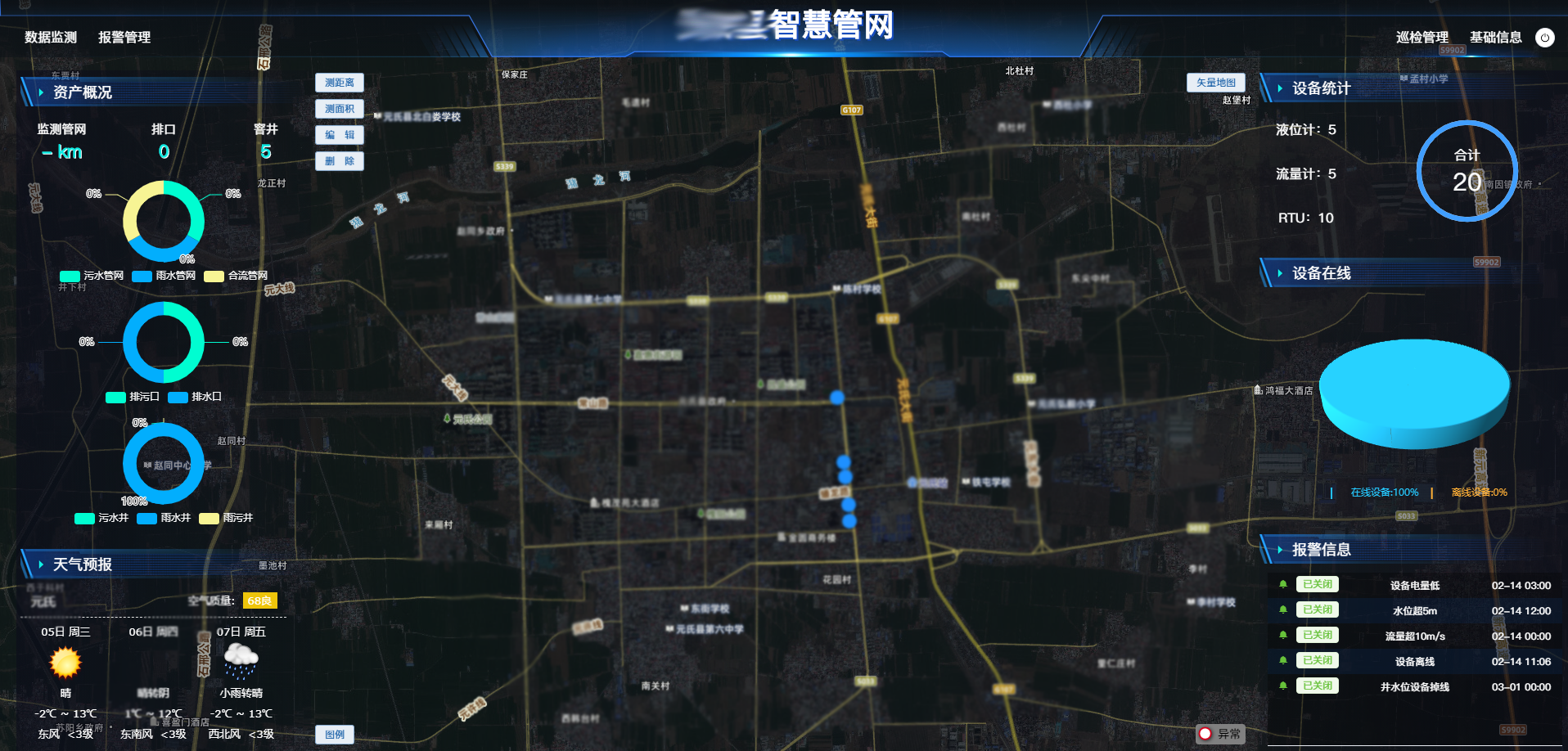
The real-time monitoring module is mainly responsible for conducting real-time monitoring of various operational parameters of underground pipe networks and presenting the monitoring data in intuitive forms such as charts and maps. Through this module, managers can understand the operational status of pipe networks in real time and detect abnormal conditions of the pipe networks promptly.
The fault early warning module is primarily tasked with analyzing and processing monitoring data. By establishing a fault early warning model, it provides advance warnings for potential faults in the pipe networks. When anomalies occur in the monitoring data, the system automatically sends out early warning information to remind managers to handle the issues in a timely manner.
The data analysis module is mainly responsible for conducting in-depth analysis of monitoring data and exploring the patterns and trends behind the data. Through data analysis, it can provide decision support for the maintenance and management of pipe networks, such as predicting the service life of pipe networks and optimizing the operational parameters of pipe networks.
The report generation module is mainly responsible for generating various statistical reports and analysis reports based on the needs of managers. The report content includes the operational status of pipe networks, fault conditions, maintenance records, etc., providing a data basis for the management and decision-making of pipe networks.
The equipment management module is primarily tasked with managing monitoring equipment, including functions such as adding, deleting, modifying, and querying equipment. At the same time, this module can also conduct real-time monitoring of the operational status of equipment, promptly detecting faults and abnormal conditions of the equipment.
The system adopts high-precision sensors, which can collect various operational parameters of underground pipe networks in real time and accurately, providing reliable data support for the management and decision-making of pipe networks.
By conducting real-time analysis and processing of monitoring data, the system can promptly detect abnormal conditions of pipe networks and issue early warning information in advance, gaining valuable time for the maintenance and management of pipe networks.
The system employs advanced data analysis and processing technologies, which can conduct in-depth analysis and mining of monitoring data, providing intelligent decision support for the maintenance and management of pipe networks.
The system presents monitoring data in intuitive forms such as charts and maps, facilitating managers to conduct real-time monitoring and analysis of the operational status of pipe networks.
The system adopts a modular design, featuring excellent scalability and compatibility. Based on actual requirements, it allows for convenient addition or removal of monitoring devices and functional modules to meet the needs of different users.