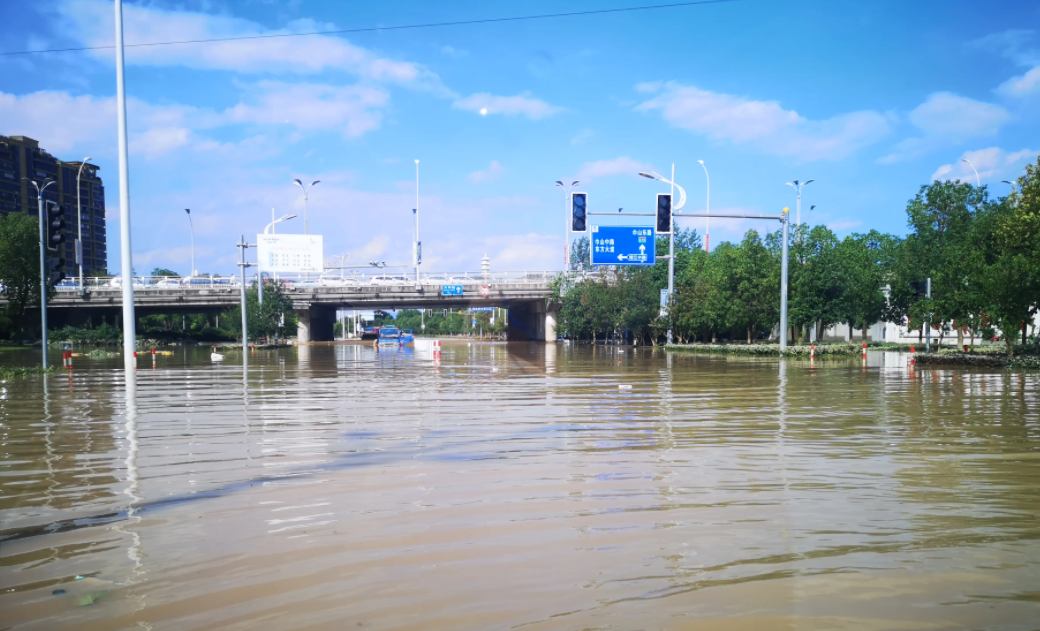
With the accelerated advancement of urbanization in China, the scale of urban underground pipeline construction has been continuously expanding, showing a growing trend. Urban underground pipelines cover a wide range of types, including water supply, drainage, gas, power, and communication pipelines. Their complexity and diversity pose significant challenges to management work, leading to frequent accidents that severely threaten the safe operation of cities.
In response, the Chinese government attaches great importance to this issue and actively seeks effective solutions. The traditional 2D pipeline management model has become inadequate in addressing the increasingly complex urban pipeline network systems. This model suffers from numerous drawbacks: inefficient management that struggles to process large volumes of pipeline data effectively; inaccurate pipeline monitoring that fails to grasp the real-time operational status of pipelines; and delayed data transmission and updates, resulting in information lag that cannot provide reliable support for decision-making.
These problems have severely restricted the modernization, informatization, and intelligent development of urban underground pipeline management, making the traditional model unable to keep pace with the rapid urban development. Therefore, innovative upgrades are urgently needed.
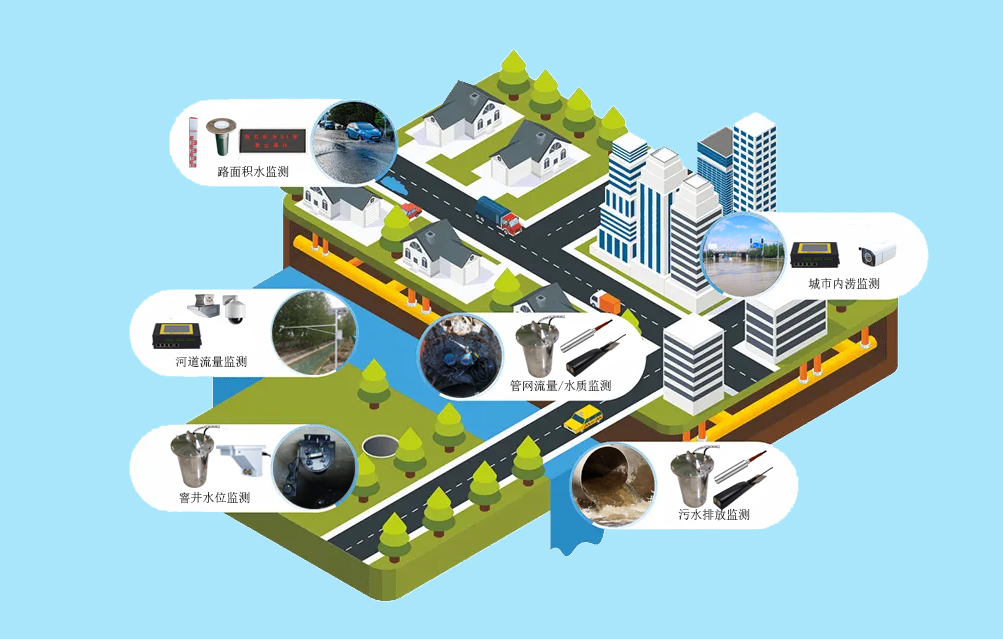
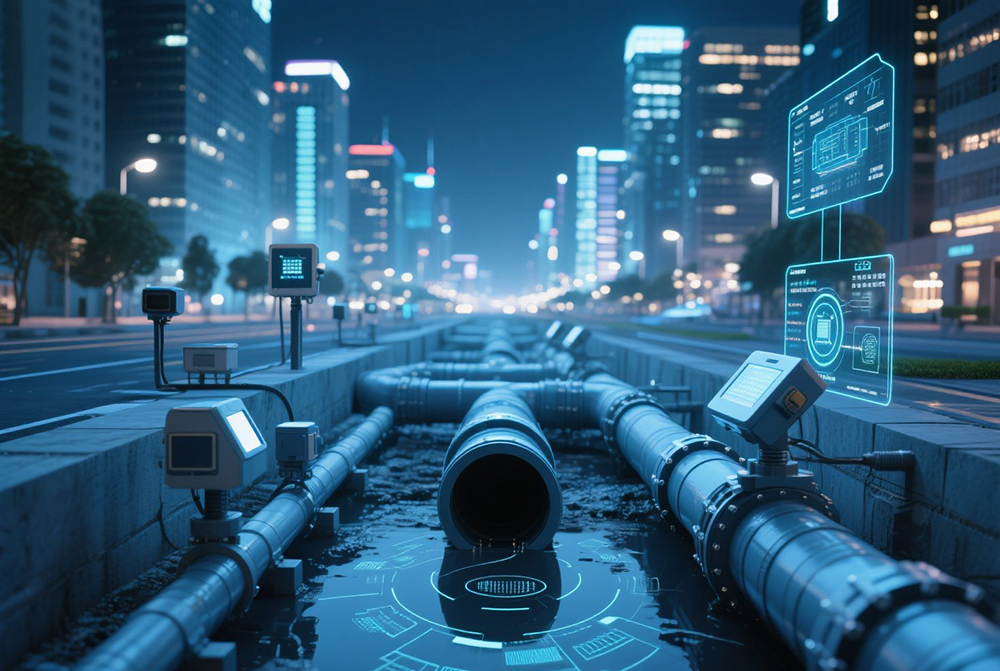
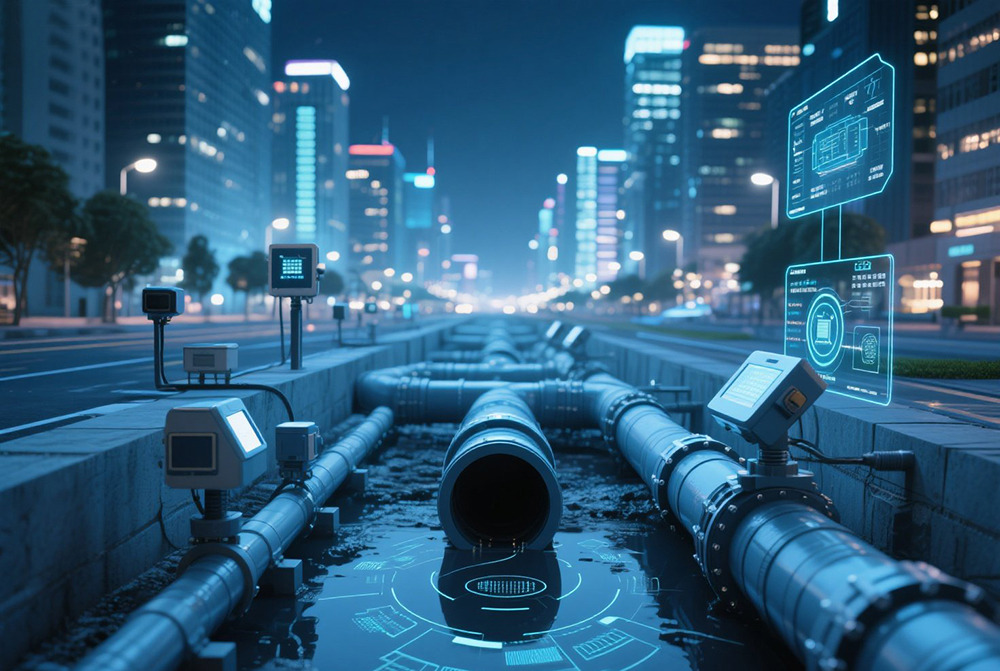
The integrated management system solution for smart pipe networks leverages advanced technologies such as the Internet of Things (IoT), big data, cloud computing, and artificial intelligence (AI) to provide a comprehensive solution for centralized monitoring, intelligent operation and maintenance (O&M), and informatized management of urban infrastructure pipe networks (including water supply, drainage, gas supply, and heating pipelines).
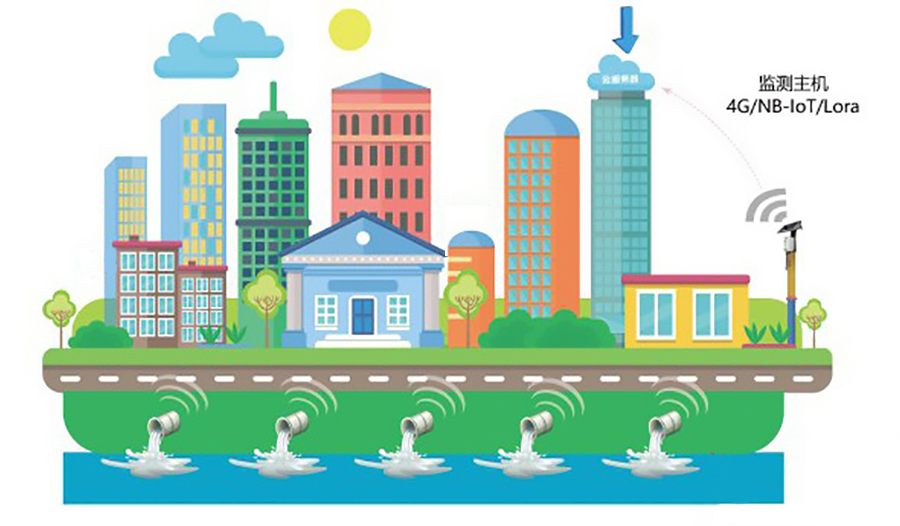
The technical architecture of this smart pipe network integrated management solution typically consists of four layers: the Perception Layer, Network Layer, Platform Layer, and Application Layer.
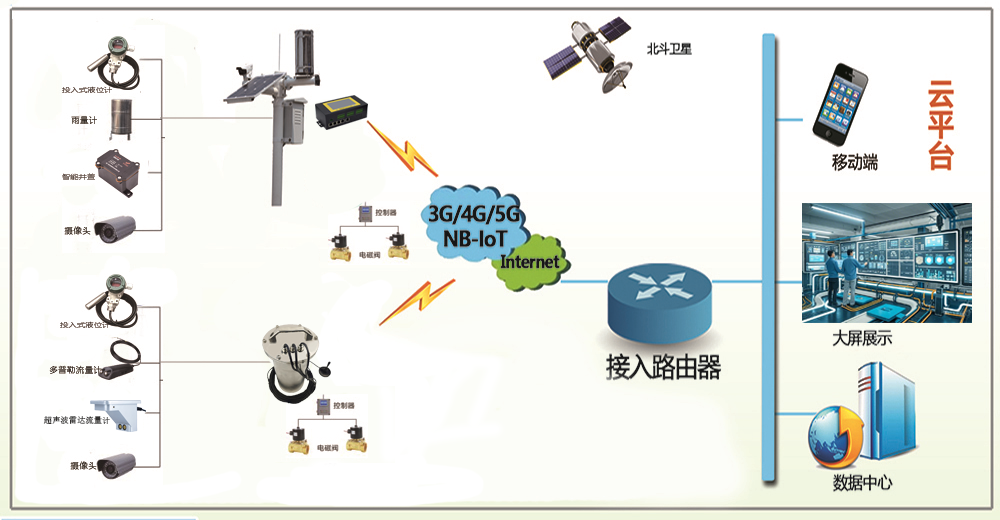
By deploying various sensors and monitoring devices, it collects real-time operational data of pipe networks, including flow rate, pressure, temperature, water quality, and other key parameters.
Responsible for transmitting data collected by the Perception Layer to the data processing center, it adopts multiple communication methods such as wired networks, wireless networks, and satellite communication.
Serving as the "brain" of the smart pipe network, it undertakes data storage, processing, analysis, and visualization, enabling real-time monitoring and intelligent analysis of the pipe network's operational status.
Various application functions are developed, such as pipe network monitoring, early warning and prediction, and optimal scheduling, to meet the needs of pipe network management and operation.
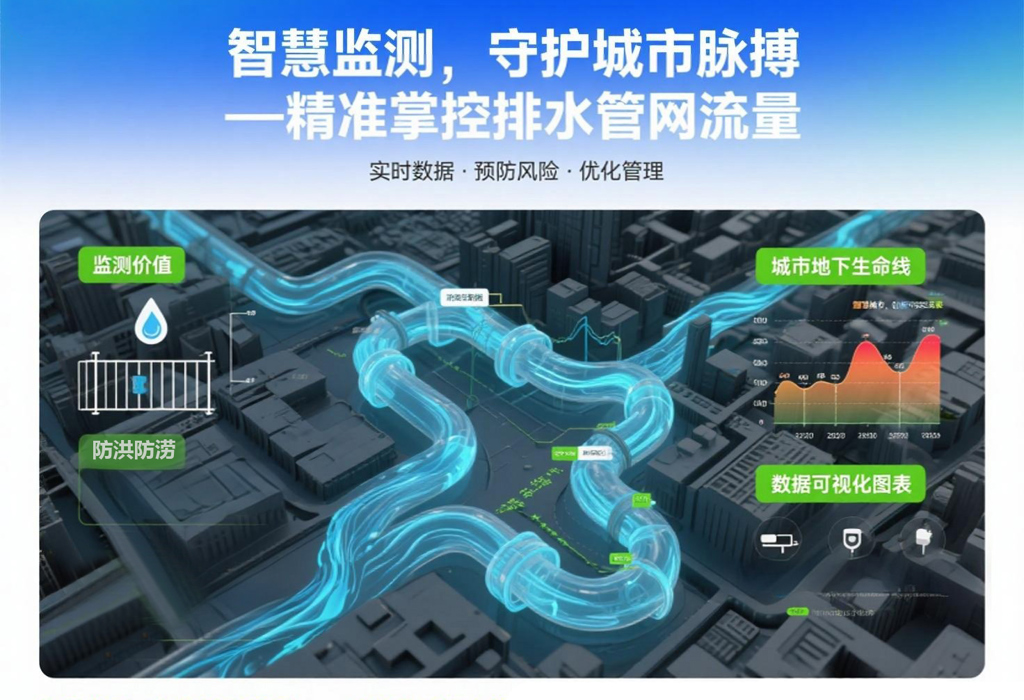
The system collects real-time data from the pipe network and presents it through a graphical interface, enabling users to intuitively grasp the operational status of the pipe network. This data is not only displayed on the screens of the control center but also synchronized across multiple platforms (including computers, tablets, and smartphones) via internet technology. This ensures that relevant personnel can monitor the pipe network's operational status anytime and anywhere, enhancing management efficiency and emergency response speed.
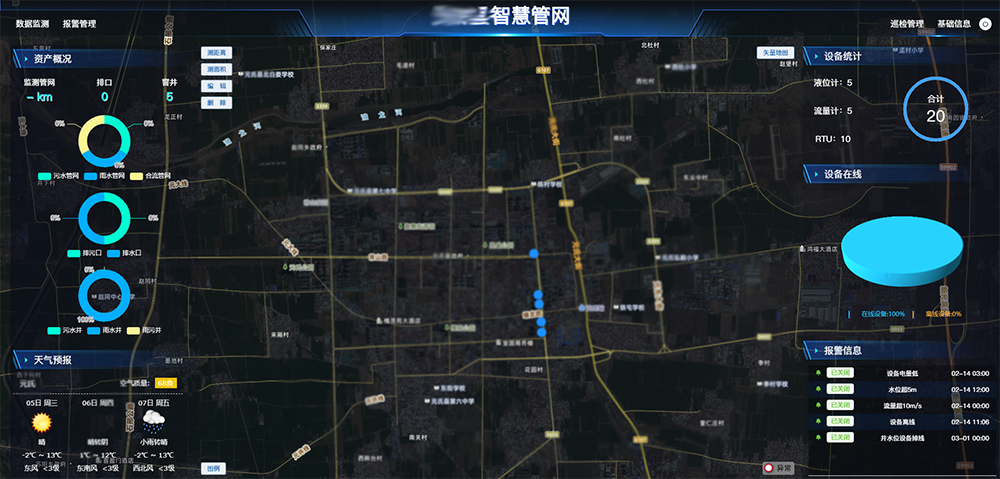
By leveraging advanced Geographic Information System (GIS) technology, the system comprehensively integrates all monitoring points across the city, enabling centralized monitoring of the entire pipe network. This not only allows real-time oversight of the drainage system's operational status but also facilitates in-depth analysis of the large volume of collected data to obtain comprehensive insights into the urban pipe network.
Through preset alarm thresholds, the system achieves real-time risk perception, full-area coverage, rapid fault tracking and localization, and full-process simulation of disposal. When key parameters exceed normal ranges, communication systems malfunction, or equipment power supplies encounter abnormalities, the system can independently make judgments. Once alarm conditions are triggered, the system automatically activates the alarm mechanism and promptly notifies relevant personnel through multiple channels, ensuring rapid response and handling of issues.
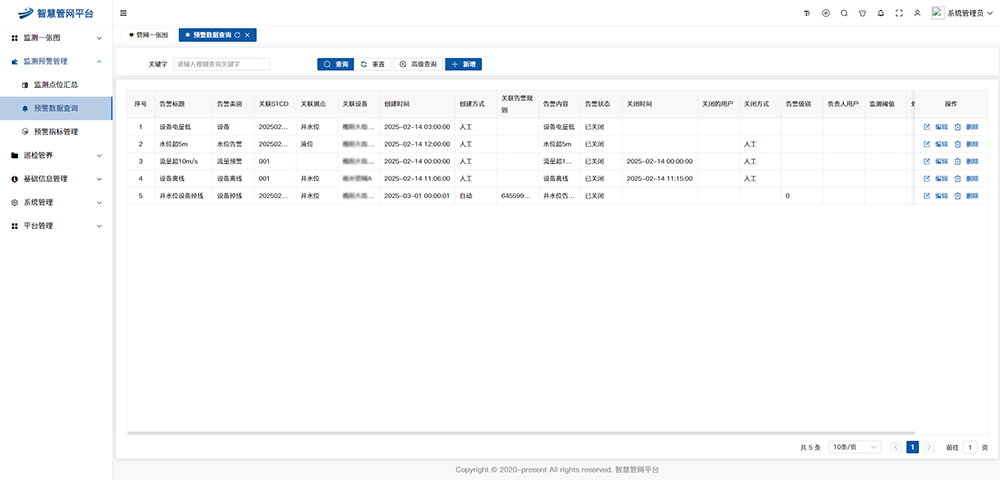
Advanced monitoring devices enable real-time collection and recording of various key data, including but not limited to monitoring data and alarm events. These valuable historical data are automatically stored on a secure and reliable cloud platform, ensuring data integrity and traceability.
Furthermore, the system generates detailed reports and analysis results using this data. These reports not only document the operational status of the pipe network but also reveal potential issues and trends. Through scientific data analysis and logging, the system provides solid data support and decision-making basis for pipe network inspection, leak detection, renovation, and maintenance work, thereby improving the operational efficiency and safety of the entire pipe network system.
HD network cameras deployed at key nodes of the pipe network capture real-time monitoring footage, which is seamlessly integrated into the advanced cloud platform system. The system synchronizes and integrates this footage with various monitoring data, ensuring that safety management personnel receive comprehensive and real-time safety information feedback. This enables efficient monitoring and management of critical areas.
The system facilitates convenient cloud platform account management for users. This includes detailed hierarchical management of all accounts logged into the cloud platform, ensuring each account is assigned appropriate permission settings.
Through this management approach, access to cloud platform resources by different users can be effectively controlled, thereby safeguarding system security and data integrity. Additionally, the system allows administrators to flexibly grant or adjust permissions for each account based on actual needs, adapting to evolving work requirements and security policies.
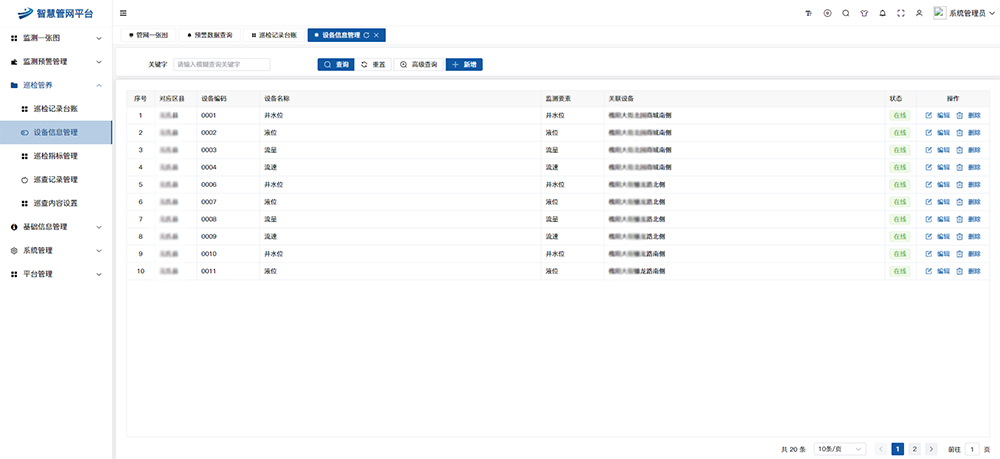
Real-Time Monitoring and Remote ControlThe smart pipe network solution enables real-time monitoring and remote control of the pipe network system, allowing management personnel to respond promptly to pipe network faults and issues.
Data Analysis and Predictive CapabilitiesLeveraging big data analysis and artificial intelligence algorithms, the solution helps management personnel predict the operational status of the pipe network system and identify potential problems in advance.
Resource Conservation and Efficiency ImprovementThe smart pipe network solution enhances the resource utilization efficiency of the pipe network system, reduces operational costs, and maximizes the value of resource utilization.
Enhanced SafetyThe solution can promptly detect potential safety hazards such as pipe leaks and bursts, enabling the implementation of emergency measures in advance to ensure urban safety.
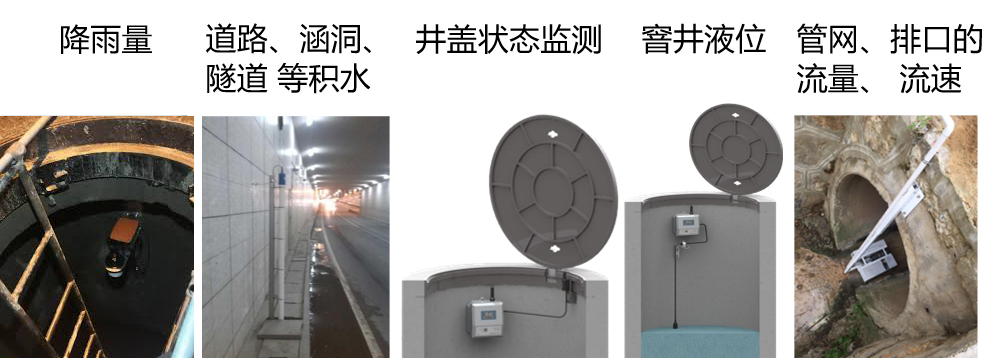
The integrated management solution for smart pipe networks has been widely applied in the management of various urban pipe network systems, including water supply, power supply, gas supply, and drainage networks.
For instance, a large city’s water supply pipe network monitoring and early warning system has achieved real-time monitoring and regulation of the water supply system through this smart pipe network solution, improving water supply efficiency and water quality safety.
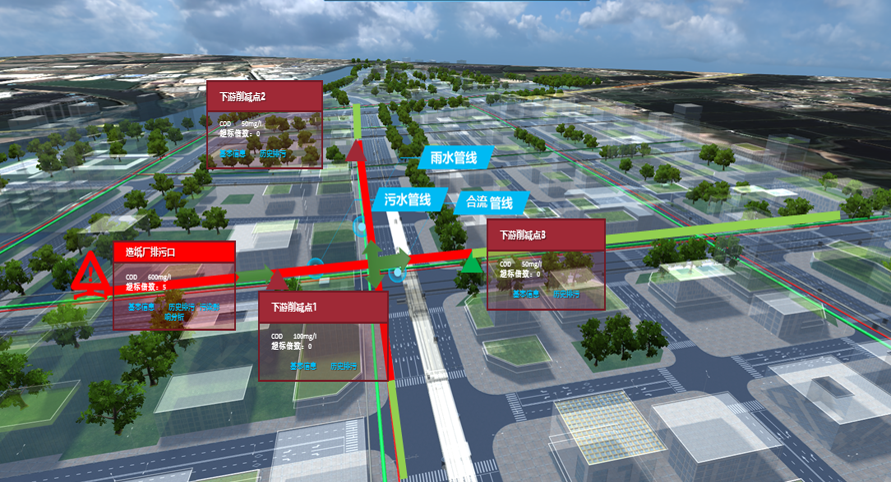
With the continuous advancement of intelligent technologies and the acceleration of urbanization, the integrated management solution for smart pipe networks will be further promoted and applied. In the future, the solution will achieve higher levels of intelligence and automation, contributing to the sustainable and green development of cities.
Meanwhile, the standardization and normalization of smart pipe network solutions are inevitable trends in future development. This will facilitate data interconnection and information sharing across different fields, improving overall management efficiency.