Underground pipe networks are a vital component of urban infrastructure, responsible for transporting resources such as water supply, drainage, gas, and electricity. With the acceleration of urbanization, underground pipe network systems have become increasingly complex, and their operational status is directly related to the normal operation of cities and the quality of life of residents.
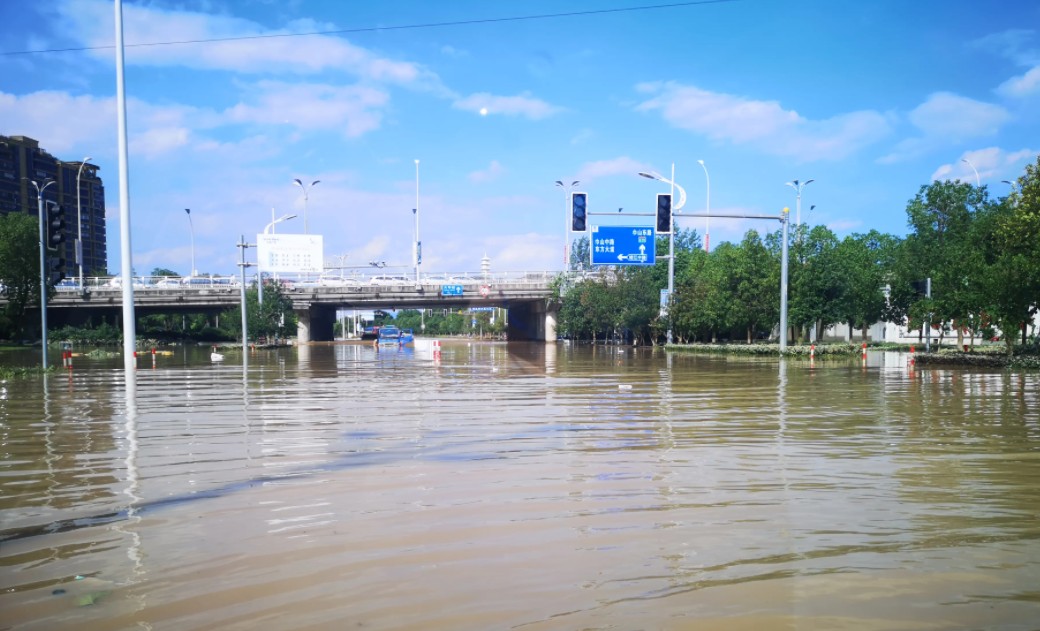
However, due to issues such as pipe network aging, design flaws, and insufficient maintenance, underground pipe networks often face risks like blockages, leaks, and bursts. Waterlogging is a common challenge for modern cities, especially amid the frequent occurrence of extreme weather. Heavy rains cause urban drainage systems to operate beyond their capacity, which in turn triggers disasters such as water accumulation and flooding. This not only affects transportation and residents’ travel but may also cause secondary damage to underground pipe networks, and even threaten public safety.
Therefore, establishing a comprehensive underground pipe network and waterlogging monitoring system is crucial. By real-time monitoring parameters of underground pipe networks (such as flow rate, pressure, and water quality) as well as data related to urban waterlogging points (such as water level and rainfall), potential risks can be effectively predicted and prevented.
Combined with the Internet of Things (IoT), big data analysis, and artificial intelligence (AI) technologies, the monitoring system can realize dynamic assessment of pipe network operation status and rapid response to waterlogging events. It provides a scientific decision-making basis for urban managers, thereby enhancing the city’s disaster prevention and mitigation capabilities, and safeguarding people’s lives and property as well as the sustainable development of cities.
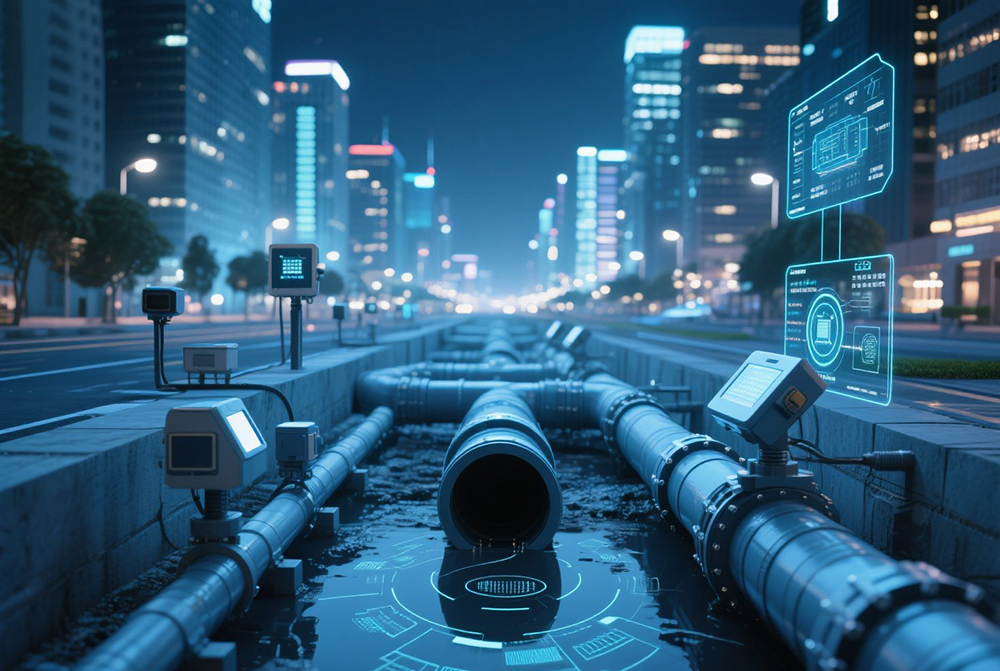
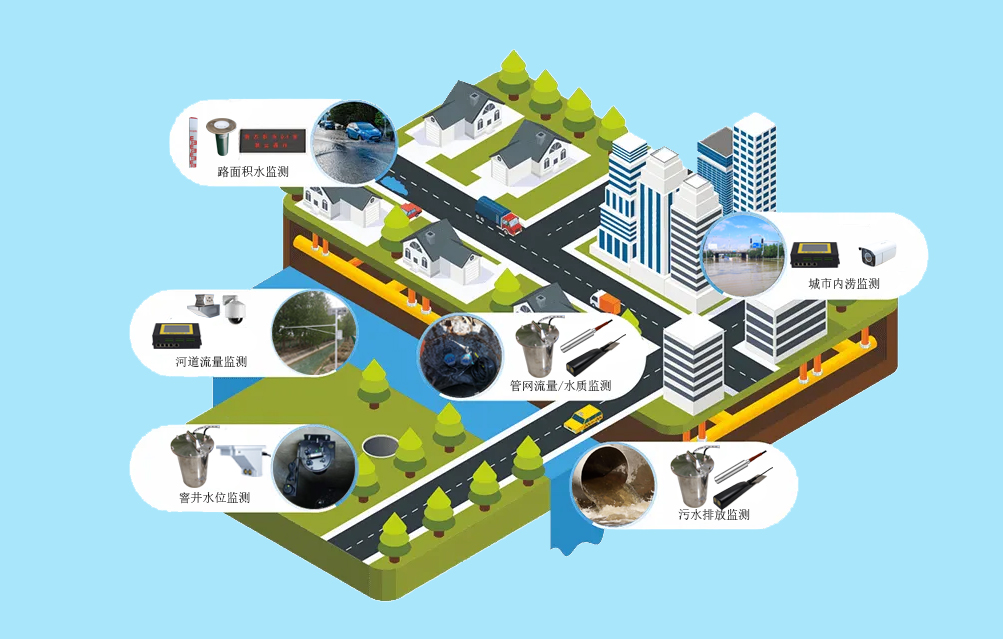
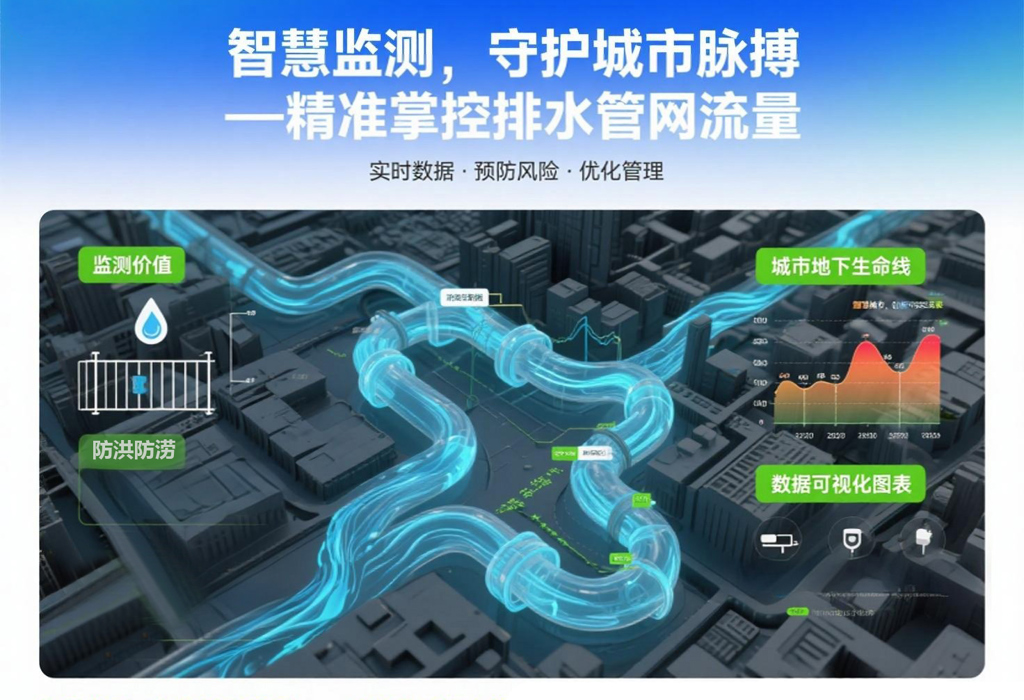
The underground pipe network and waterlogging monitoring system is a crucial component of modern urban infrastructure, often referred to as the "pulse" of a city. By leveraging advanced sensing technology, data transmission, and intelligent analysis methods, it conducts real-time monitoring of the operational status of urban underground pipe networks and waterlogging risks, providing a scientific decision-making basis for urban management. This system mainly consists of the following key modules:
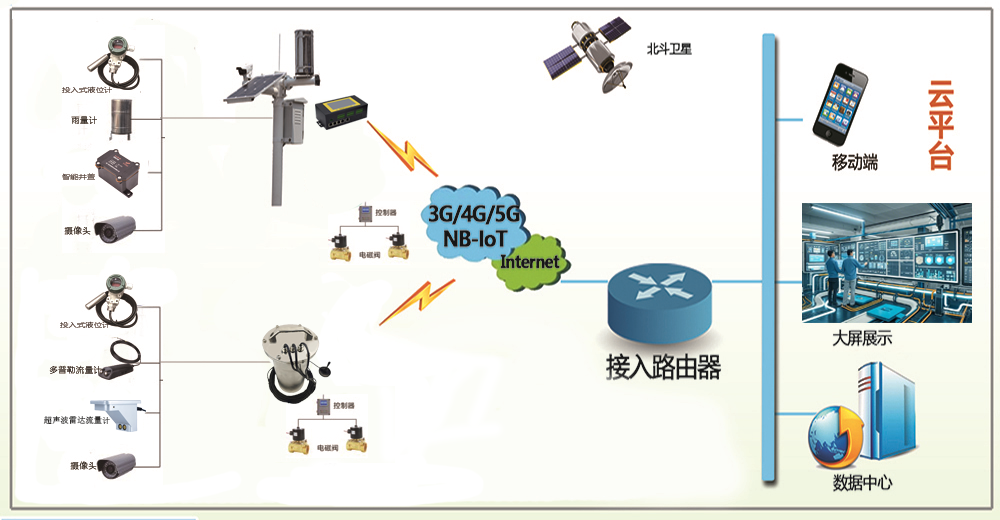
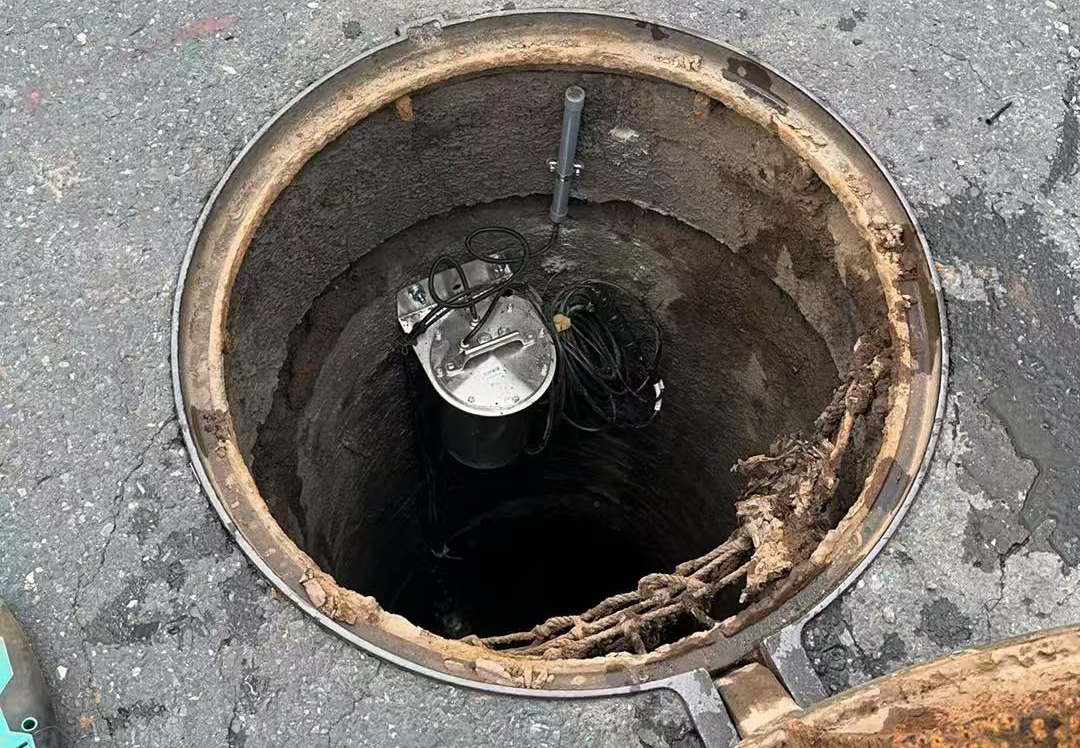
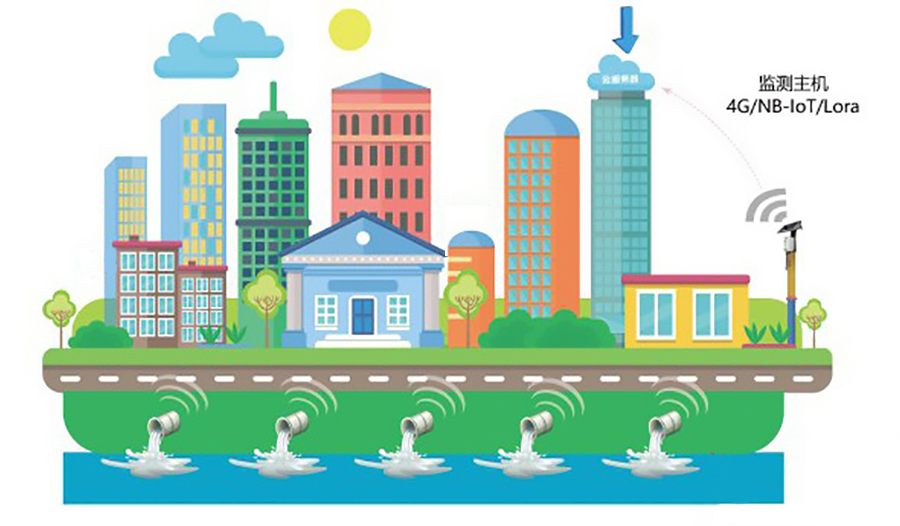
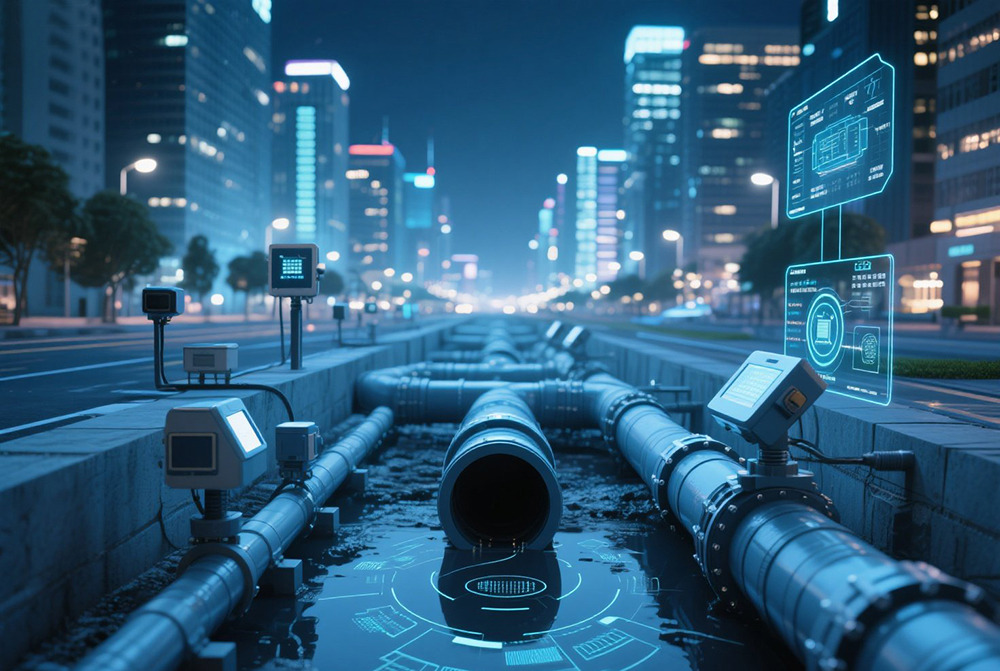
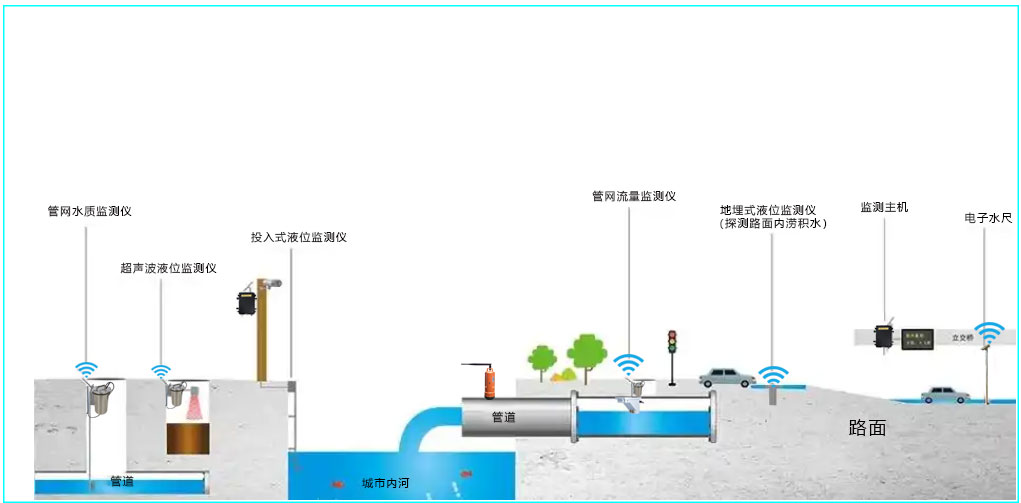
It uses devices such as flow meters, pressure sensors, and liquid level gauges to fully capture the operational parameters of underground drainage pipe networks, including water flow velocity, pipeline pressure, and waterlogging depth. Meanwhile, weather stations and rainfall monitoring devices can collect rainfall information simultaneously, forming multi-dimensional data sources.
It adopts IoT communication technologies such as 5G, NB-IoT, or LoRa to transmit the data collected by front-end sensors to cloud servers efficiently and stably, ensuring the real-time performance and accuracy of information.
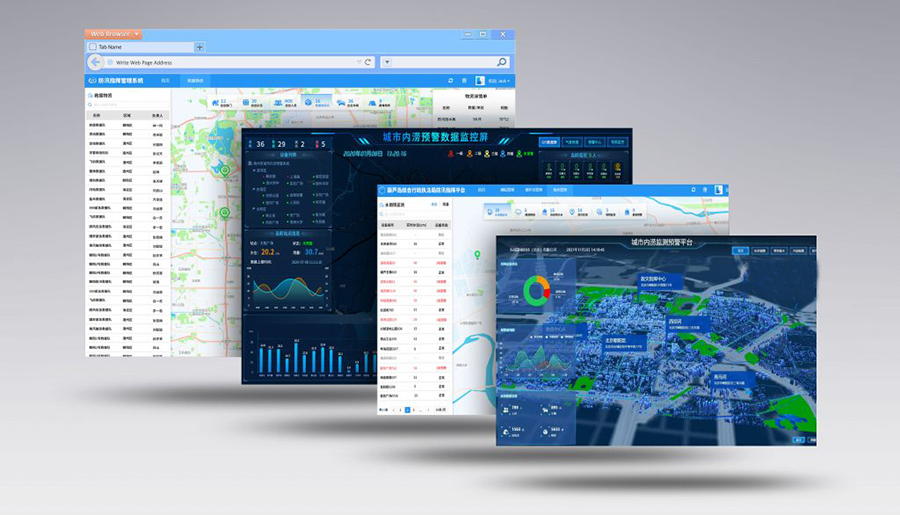
Based on big data platforms and artificial intelligence algorithms, it conducts modeling and analysis on the operational status of pipe networks to predict potential blockage points, leakage locations, and waterlogging risk areas. Combined with historical data and real-time dynamics, it generates visual charts to help managers quickly grasp the overall situation.
When abnormal conditions are detected (such as overloaded operation of pipe networks or waterlogging exceeding the warning line), the system automatically triggers the early warning mechanism and notifies relevant departments to take timely measures via short messages, APP notifications, and other methods. In addition, it can link with facilities such as pump stations and gates to achieve automated regulation, minimizing the impact of disasters.
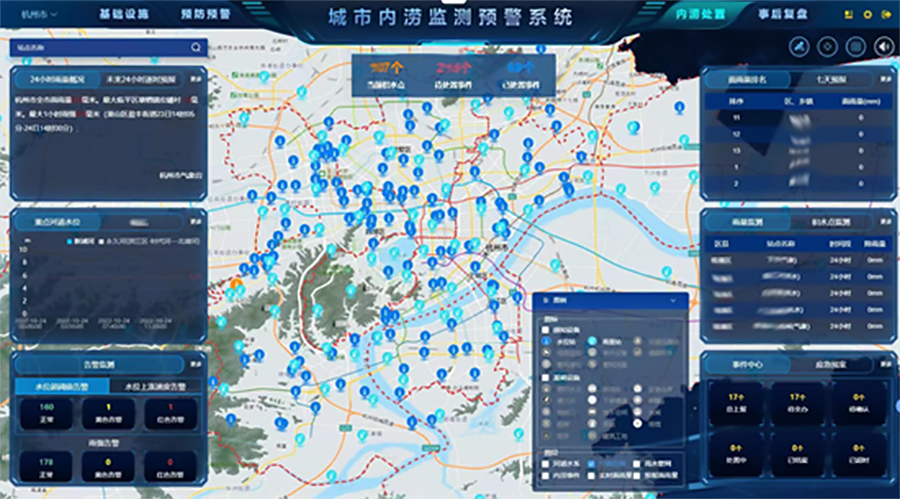
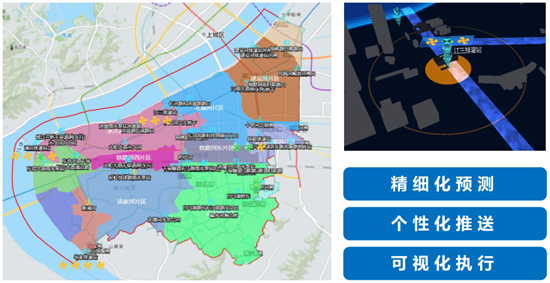
Through the GIS (Geographic Information System) electronic map, users can view the spatial layout of monitoring stations, attribute information, and equipment operating status. It enables hierarchical and classified management, allowing for quick location of abnormal monitoring stations within the area.
It supports online monitoring of data such as water volume, water quality, and hydrology at each station. It can real-time monitor rainfall and water conditions, on-site images, as well as the operating status of drainage pipe networks, enabling comprehensive and multi-point information acquisition.
Based on the data collected by sensors and the status information of linked control devices, alarm parameters and alarm methods are set. Once parameters such as water level, flow velocity, and flow rate exceed limits, or abnormal operation of drainage pumps occurs, notifications are pushed to decision-makers via platform messages, official WeChat account alerts, voice calls, and APP notifications. This enables rapid response to urban waterlogging and water accumulation, improving the efficiency of emergency disposal.
It supports access to network cameras at key nodes, integrating surveillance videos and monitoring parameters into the monitoring platform. The data is presented in forms such as images, tables, and curves, with automatic updates every 3 seconds to achieve continuous, dynamic real-time monitoring. It provides early warning information and disaster assessment reports for decision-making departments, helping decision-makers make scientific and reasonable decisions.
Cooperating with drainage equipment such as drainage pumps, solenoid valves, and sewage treatment pumps, the system performs linked control of the drainage equipment based on monitoring parameters. It enables intelligent startup and shutdown to achieve automated drainage.
The system can establish a massive database through automated data storage, further improving the local hydrological database. Combined with functions such as system query, comparison, analysis, and data export, it accurately evaluates and predicts urban waterlogging and water accumulation conditions, avoiding misjudgment of information.
The system enables real-time data transmission to ensure information timeliness. Via wireless communication technology, monitoring data can be quickly transmitted to the smart water conservancy monitoring platform. This allows decision-makers to promptly grasp the status of urban waterlogging and water accumulation, and take timely response measures.
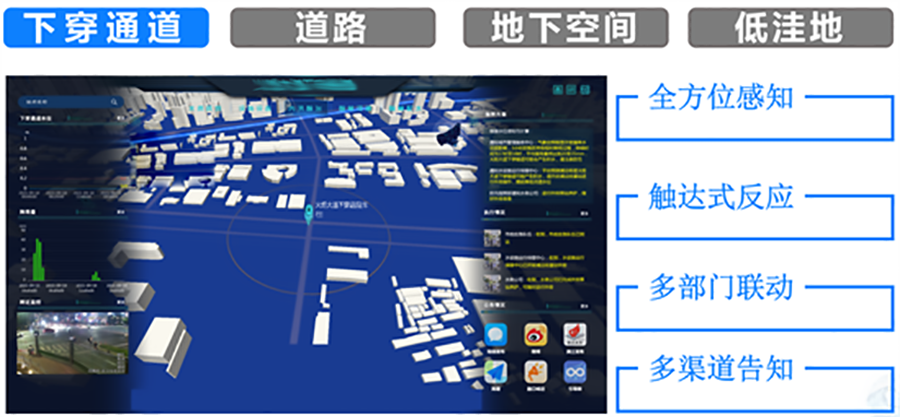
Enhancing Emergency Response CapabilitiesDuring extreme weather such as heavy rains, the system identifies waterlogging-prone areas in advance and facilitates resource deployment, reducing property losses and casualties.
Optimizing Pipe Network Operation and MaintenanceIt accurately locates problem areas, avoiding blind excavation for repairs, lowering maintenance costs, and extending the service life of pipe networks.
Supporting Smart City ConstructionAs a key component of smart cities, the system provides reliable data support for fields such as environmental governance and traffic management, promoting the sustainable development of cities.
In conclusion, safeguarding the "pulse" of a city is not only closely related to the quality of life of residents but also reflects the refinement level of urban management. With the underground pipe network and waterlogging monitoring system, we can better address complex challenges and create a safe and livable urban environment.