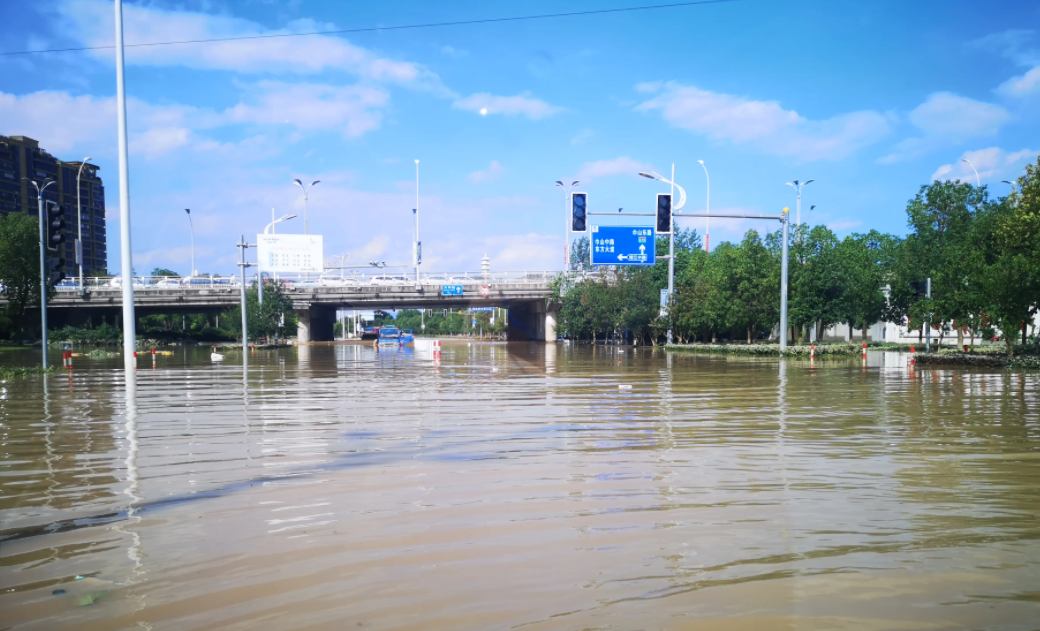
As China’s urbanization accelerates and city scales continue to expand, the scale and complexity of underground pipe network systems are growing exponentially. This rapid development has made real-time monitoring of pipe network flow rates and water quality parameters increasingly critical—a key link in safeguarding urban water environment safety and residents’ health.
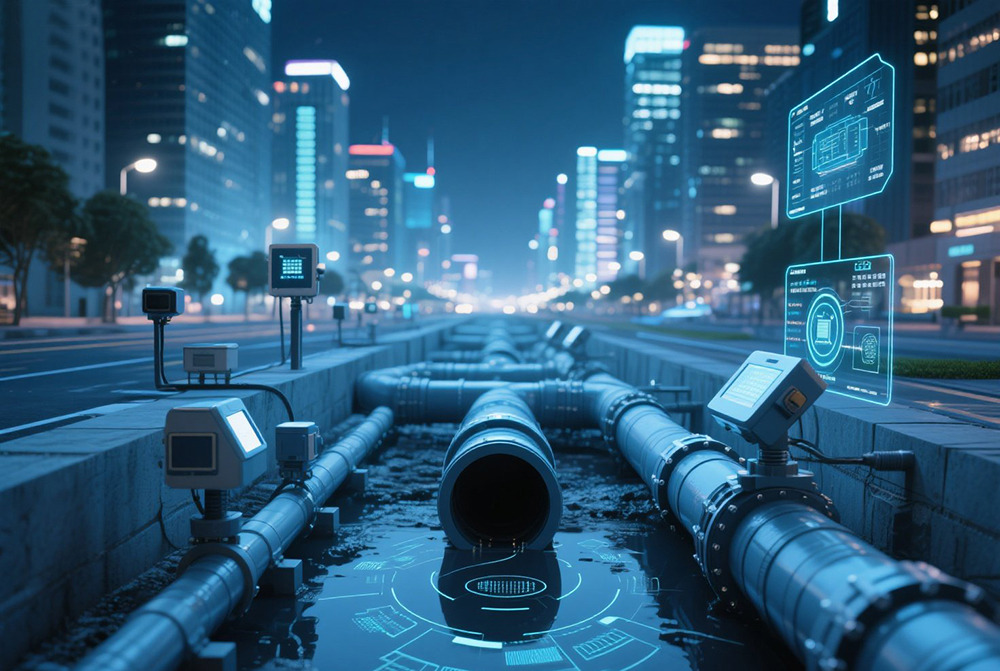
Establishing a robust online monitoring system not only enables timely detection of anomalies in pipe network operations and effective prevention of sudden water pollution incidents but also provides strong data support for the scientific management of urban water supply and drainage systems. By deploying advanced smart sensors and high-efficiency data acquisition devices at key nodes of urban pipe networks, 24/7 uninterrupted monitoring of pipe network operating status can be achieved, yielding accurate real-time monitoring data. Such data serves as a scientific basis for urban water environment governance decisions and helps build a more intelligent and efficient urban water management system.
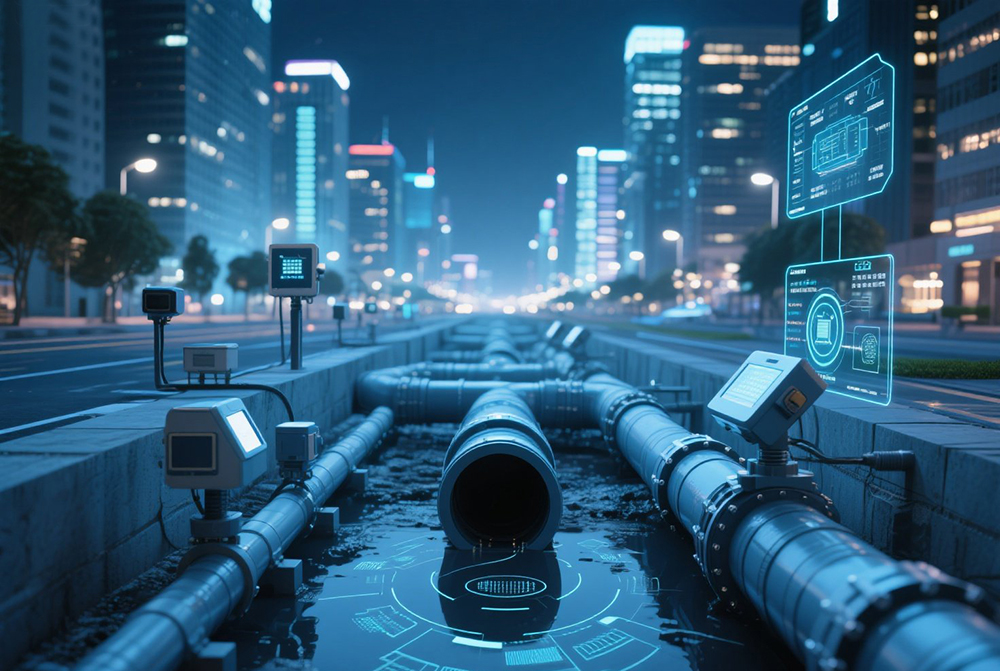
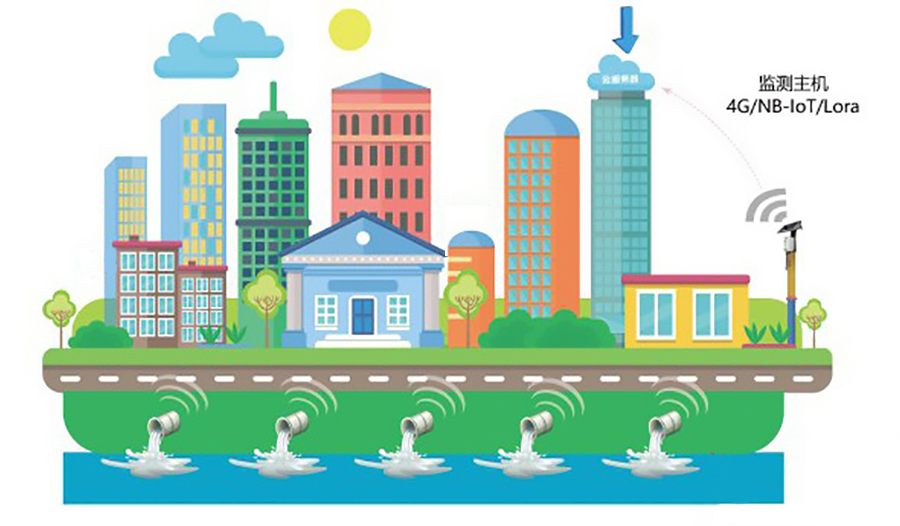
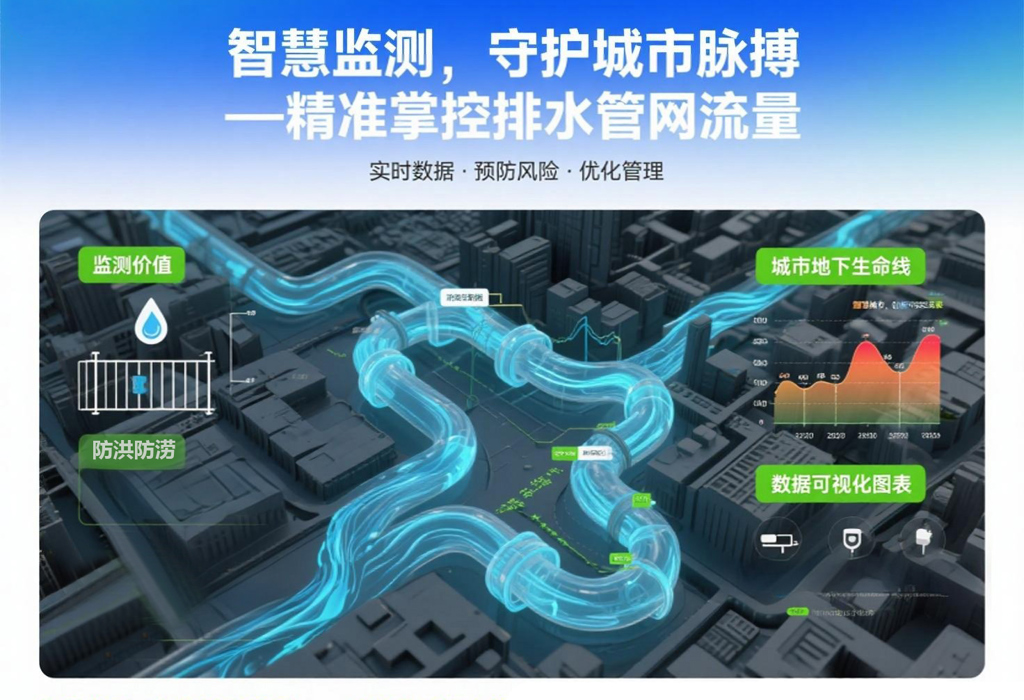
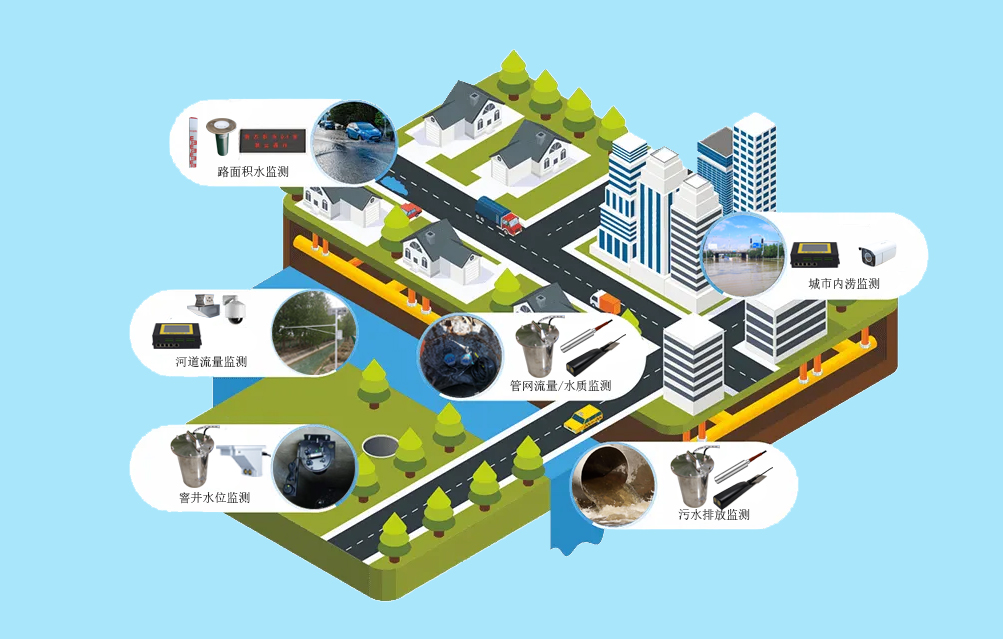
The underground pipe network flow and water quality online monitoring system is an intelligent monitoring system integrating functions such as data collection, transmission, processing, analysis, and early warning. By installing monitoring devices like liquid level sensors, the system conducts real-time monitoring of liquid level changes in underground pipe networks, providing crucial data support for urban drainage management and flood control.
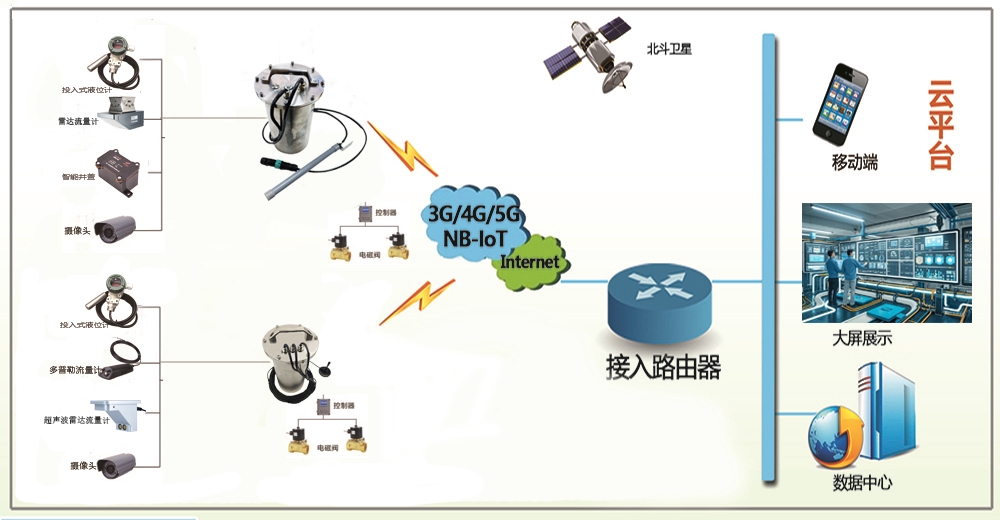
Adopting advanced radar flow meter technology, it enables real-time and accurate measurement of liquid level changes in pipelines, with a precision of millimetric level. Whether it is minor liquid level fluctuations during normal pipeline drainage or sudden sharp rises in liquid level during heavy rainfall, they can all be accurately captured.
It is responsible for collecting data from sensor devices and transmitting it to the monitoring center. Equipped with robust data processing and transmission capabilities, the terminal ensures the real-time performance and accuracy of data.
It receives and processes data from data acquisition terminals, implementing functions such as data storage, analysis, visualization, and early warning. Featuring a user-friendly interface and simple operation, the software platform facilitates real-time monitoring and data analysis for management personnel.
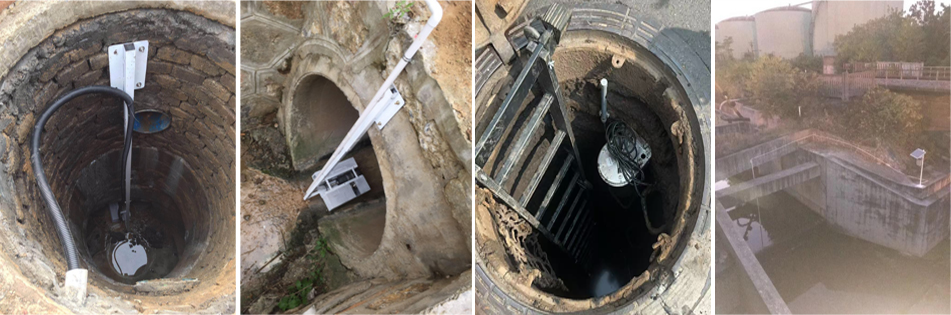
This system provides real-time monitoring of the operational status of urban drainage pipe network monitoring systems, covering real-time data on key parameters such as water volume, water quality, and pressure. Leveraging advanced sensors and monitoring equipment, it ensures precise tracking and recording of every link in the urban water circulation system.
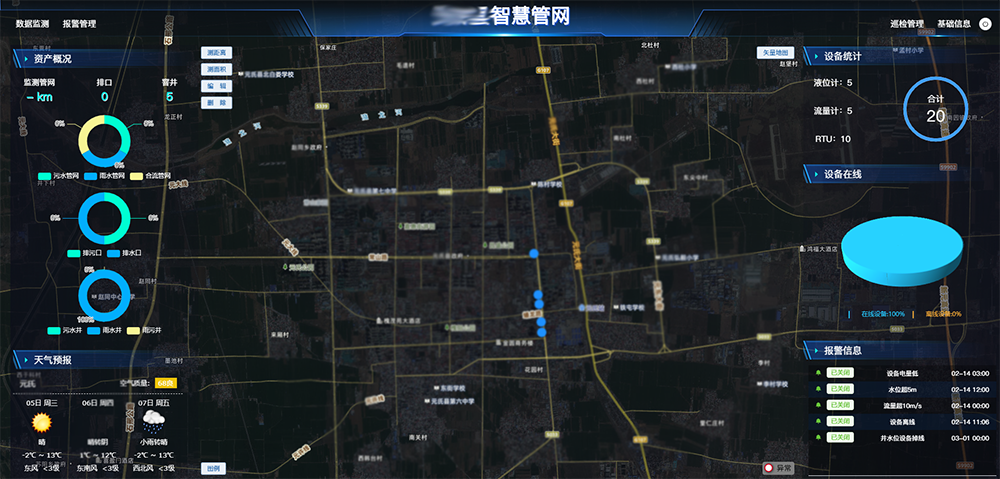
█
The automated data acquisition system continuously collects information from all monitoring points and records the data in real time. By ensuring data accuracy and timeliness, it provides a reliable foundation for subsequent data analysis and decision-making.
Once the system detects operational anomalies or key parameters exceeding preset safety thresholds, it immediately triggers an alarm. This includes sending real-time notifications to operation and maintenance (O&M) personnel and managers via audio, visual, or digital communication methods, enabling rapid response to potential issues.
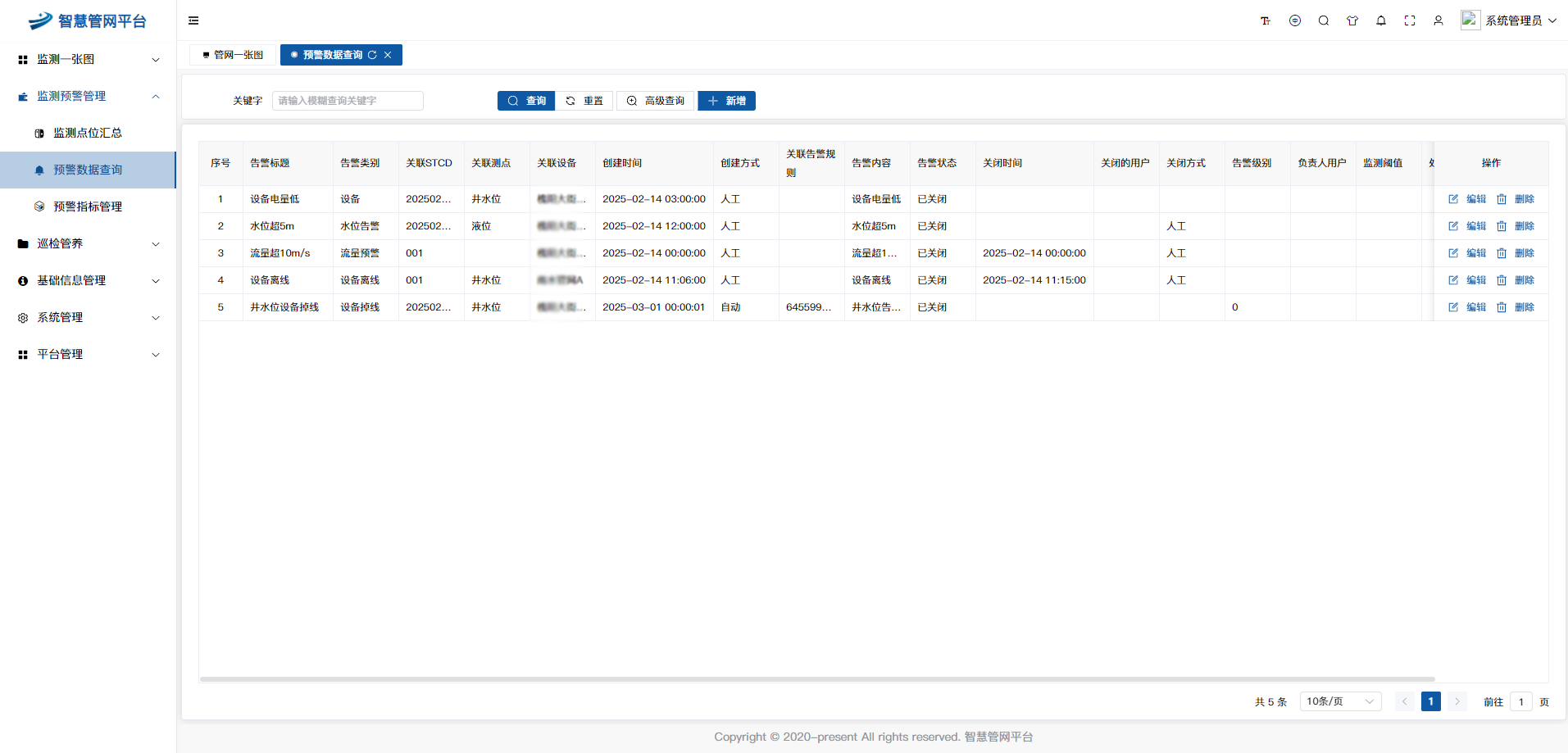
█
In-depth analysis is conducted on the large volume of collected data using advanced algorithms and models, generating intuitive analysis results such as trend charts and reports. These insights enable managers to fully understand the system’s operational status, identify potential issues in a timely manner, and implement corresponding adjustments and optimizations.
Integrating historical data and real-time operational status, the system can predict potential risks and issues that may arise in the future. By proactively identifying potential risk points, managers can take preventive measures to reduce the risk of system failures and unplanned downtime.

Through the remote control system, operation and maintenance (O&M) personnel can remotely start, stop, and adjust underground pipe network flow and water quality equipment. This not only enhances operational convenience but also enables rapid responses in emergency situations, ensuring the stable operation of the system.
The system provides comprehensive equipment maintenance and troubleshooting tools to assist O&M teams in efficiently performing daily maintenance and fault handling. Through preventive maintenance and rapid response mechanisms, it ensures the long-term stability and reliability of the system.
Real-time monitoring data and management information are shared with urban management departments, emergency response teams, and other relevant authorities. By establishing an efficient information sharing platform, it improves decision-making efficiency and ensures the rapid coordination of resources across all parties to jointly address challenges in emergency scenarios.

As a key technical tool for urban water management, the online monitoring system for underground pipe network flow and water quality demonstrates significant application value across multiple dimensions: safeguarding urban water supply safety, optimizing water resource allocation and management, enhancing the economic benefits of water operations, and protecting the ecological environment.
By real-time collecting key water quality parameters (such as flow rate, pressure, turbidity, and residual chlorine) in the pipe network and integrating intelligent analysis algorithms, the system can promptly detect operational anomalies and water quality changes in the pipe network, providing a scientific basis for water supply scheduling decisions.
In terms of water supply safety, the system effectively prevents water pollution incidents and ensures the safety of residents’ drinking water. For resource management, it significantly improves water use efficiency through precise metering and leak analysis. Regarding economic benefits, it reduces pipe network operation and maintenance (O&M) costs and extends the service life of pipe networks. In terms of environmental protection, it minimizes sewage discharge and preserves the aquatic ecological environment.
Therefore, the system has become an indispensable component of water infrastructure in modern smart city construction, playing a crucial role in enhancing the level of refined urban management and sustainable development capabilities.