In the process of modern urbanization, bridges, as core hubs and important links in urban transportation networks, not only undertake the basic functions of connecting different regions and shortening spatial distances, but also play an irreplaceable strategic role in promoting regional economic integration and driving coordinated urban development.
However, with the continuous accumulation of bridge service life, coupled with the growing traffic flow and the frequent passage of heavy vehicles, the load-bearing capacity and safety performance of bridge structures are facing unprecedented severe challenges. At the same time, natural factors such as environmental erosion and material aging are also constantly accelerating the performance degradation of bridge structures.
Against this background, building a scientific, comprehensive and technologically advanced bridge structural health monitoring system to realize real-time monitoring of bridge operation status, damage early warning and performance evaluation has become an urgent task and inevitable choice to ensure urban traffic safety and extend the service life of infrastructure.

This intelligent monitoring system collects key performance data of the bridge structure in real time from all aspects by scientifically arranging a variety of high-precision sensor networks. The specific monitoring indicators include but are not limited to key parameters such as structural stress distribution, material strain changes, vibration modes and frequency responses, temperature gradient changes, and environmental corrosion rates.
These distributed sensor nodes, like the "nervous system" of the bridge, can sense the slightest deformation and damage of the structure with micron-level precision using advanced sensing technology. They transmit massive monitoring data to the cloud-based central processing unit in real time through a wired/wireless hybrid network.
Equipped with professional structural health assessment algorithms, the central processing unit can perform fusion analysis and in-depth mining of these multi-source heterogeneous data, enabling intelligent diagnosis and early warning of the bridge structure status.
To ensure monitoring effectiveness, the system is equipped with a multi-level early warning mechanism. When monitoring indicators exceed the normal range, the system issues alerts of different levels based on the severity.
A slight anomaly triggers a yellow alert, reminding maintenance personnel to enhance observation.
A moderate anomaly activates an orange alert, suggesting the implementation of specialized inspections.
A severe anomaly immediately initiates a red alert, requiring urgent response measures to be taken.
In addition, the system has established a complete data archive library to record the health status of the bridge throughout its entire life cycle. This data not only provides a scientific basis for daily maintenance but also accumulates valuable experience for the optimization of bridge design and the upgrading of reconstruction projects. By regularly generating health assessment reports, managers can fully grasp the bridge’s status and formulate reasonable maintenance plans.
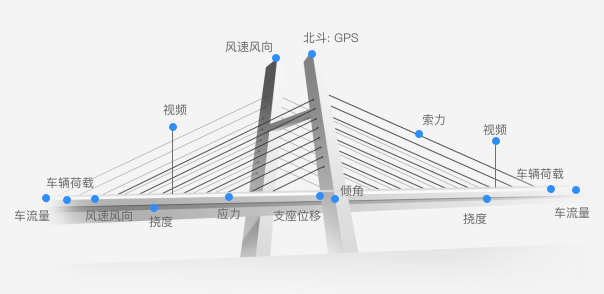
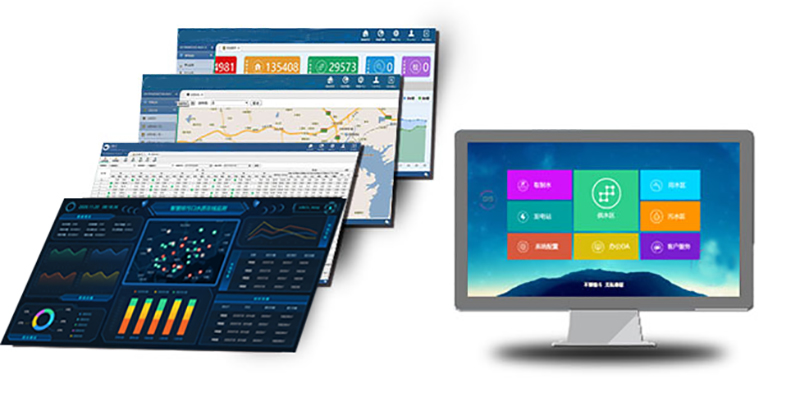
Data Collection: The system can collect multi-source data of key parts of the bridge in real time, including parameters such as strain, displacement, vibration, temperature, humidity, and wind speed. Through a high-precision sensor network, it achieves comprehensive perception of the bridge structure status and ensures the accuracy and continuity of data.
█
Wired or wireless communication technologies are adopted to efficiently transmit collected data to the central processing platform. Meanwhile, the system has large-capacity data storage capabilities, supporting long-term storage and quick retrieval of historical data to meet subsequent analysis needs.
The collected data undergoes preprocessing (such as denoising and filtering) and in-depth analysis. By using statistical methods, signal processing technologies, and machine learning algorithms, key characteristic parameters of the bridge structure are extracted, its health status is evaluated, and potential anomalies are identified.
Based on structural dynamics theory and artificial intelligence models, the system can automatically identify damage types of the bridge structure (such as cracks, corrosion, and deformation) and accurately locate the damage positions, providing a scientific basis for maintenance decisions.
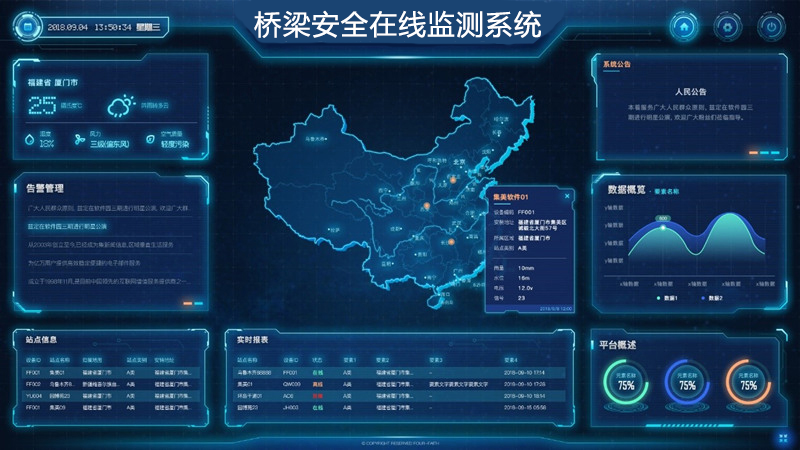
According to the set safety thresholds and dynamic monitoring results, the system can judge the safety status of the bridge in real time. Once an anomaly is detected, a multi-level early warning mechanism is triggered immediately, and relevant personnel are notified via text messages, emails, or visual interfaces to reduce the risk of accidents.
█
Combining historical data and current monitoring results, the system can comprehensively evaluate the overall performance of the bridge. It also predicts the remaining service life of the bridge through a degradation model, providing references for formulating bridge maintenance plans.
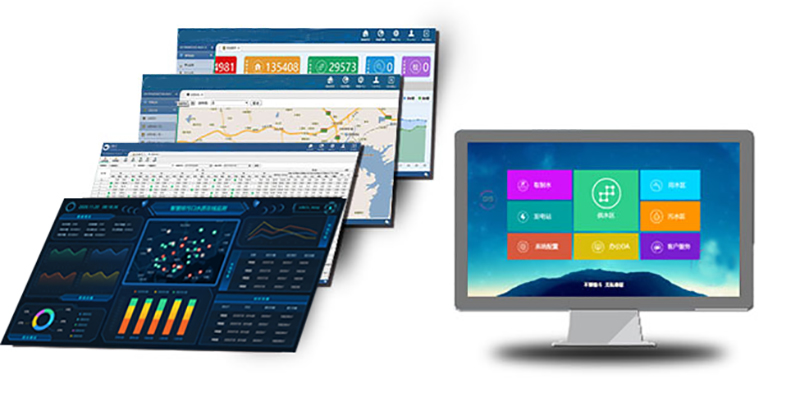
It provides an intuitive user interface, displaying the bridge’s health status and monitoring data in the forms of charts, curves, 3D models, etc. It supports multi-dimensional data comparison and analysis, facilitating managers to quickly grasp the bridge’s operation status.
The system can automatically generate standardized health assessment reports based on monitoring data. The reports cover monitoring overviews, data analysis results, abnormal diagnosis suggestions, etc., and support export in multiple formats (such as PDF, Excel) for easy archiving and sharing.
It supports cloud-based remote access and operation. Managers can check the bridge’s status, receive early warning information, and perform system configuration and task scheduling anytime and anywhere through the web or mobile terminals.
It has self-diagnosis capabilities, regularly checking the working status of sensors, communication links, and software modules. It promptly detects and alerts equipment failures to ensure the stable operation of the monitoring system.
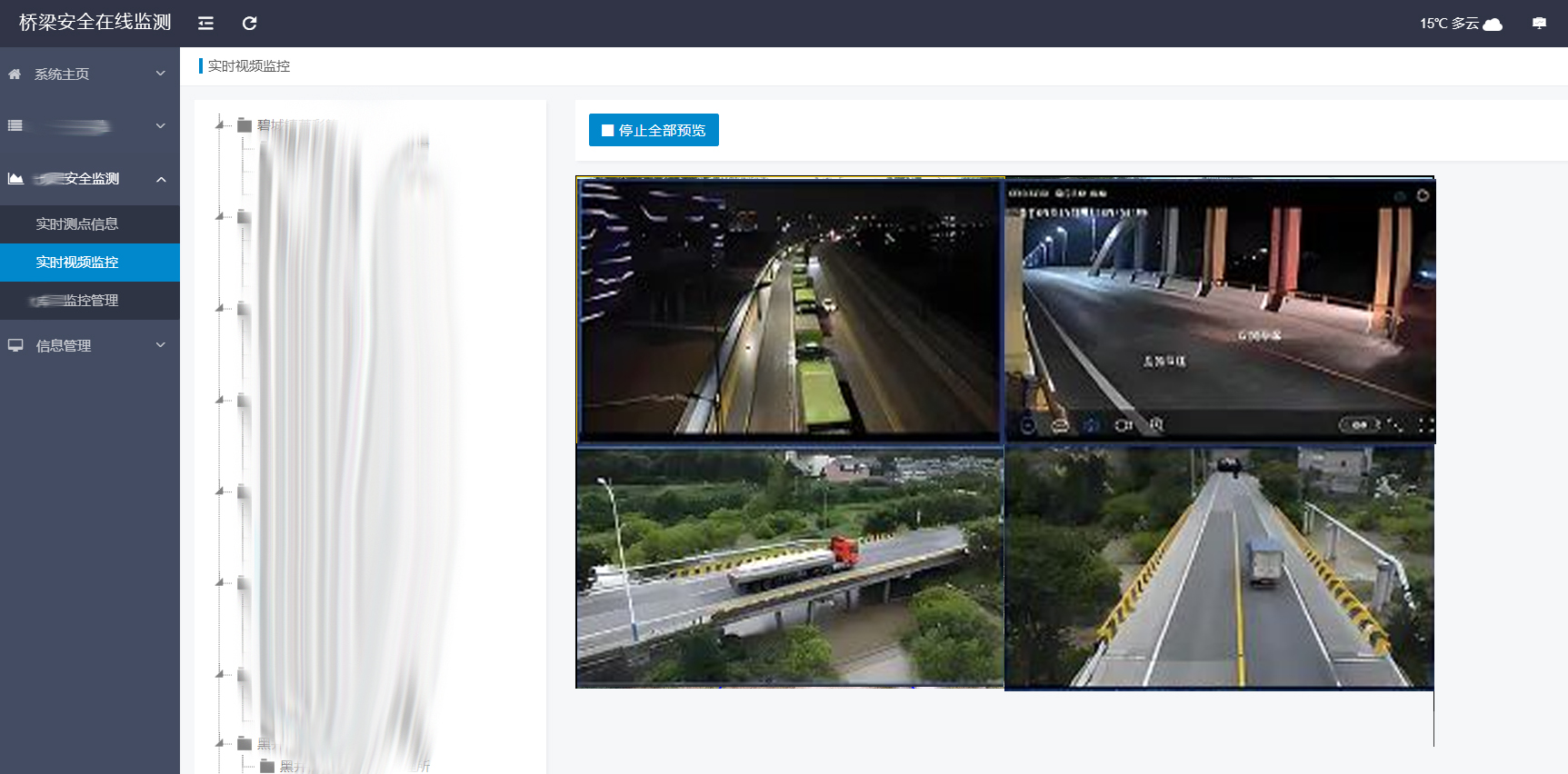
The widespread application of the bridge structural health monitoring system has significantly improved the intelligent management level of modern urban infrastructure. By leveraging advanced sensing technology, Internet of Things (IoT) technology, and data analysis technology, the system can real-time monitor key parameters of bridges—such as stress, displacement, and vibration—and promptly detect potential structural safety hazards.
It not only effectively prevents major safety accidents caused by material aging, overloaded operation, or natural disasters, but also extends the service life of bridges through scientific data analysis. Additionally, it significantly reduces long-term maintenance and repair costs, and enhances the investment efficiency of infrastructure construction.
The establishment and continuous improvement of this intelligent monitoring system truly realize 24/7, all-round, and multi-dimensional protection of urban lifelines. It provides solid and reliable technical support for the safety of the public’s daily travel, and at the same time serves as a successful example for the digital and intelligent transformation of urban infrastructure.